How to dilute PVAc adhesives: tips to restore their consistency

How to dilute PVAc adhesives: tips to restore their consistency

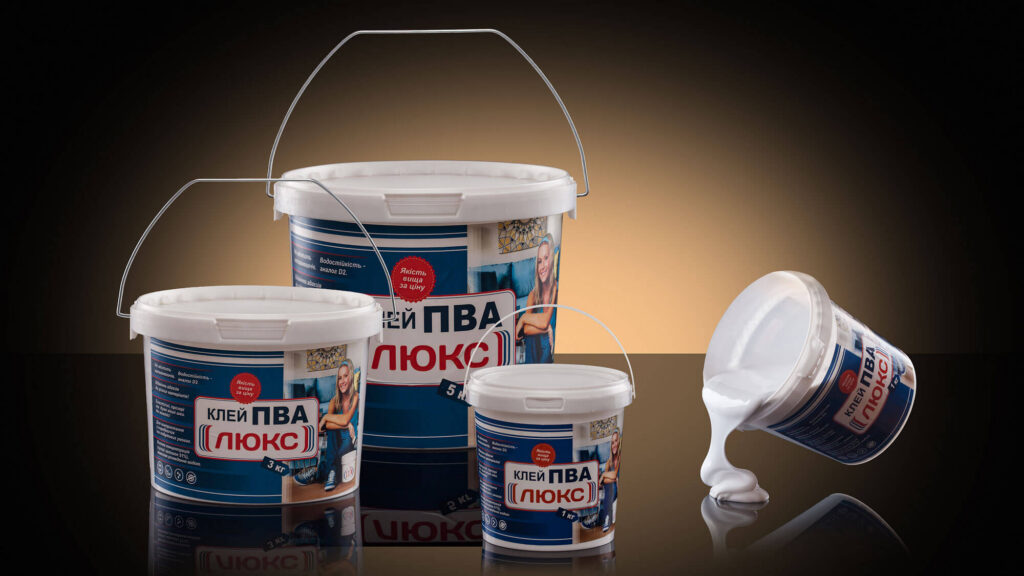
One of the most common adhesives is PVAc, as it is widely used in everyday life – for example, schoolchildren use it to make handicrafts, glue cardboard, paper and wooden elements together. Apart from that, PVAc adhesive is used in various industries, repair and construction work because of its excellent adhesion properties and low cost. Recently manufactured polyvinyl acetate adhesive is a viscous, pourable liquid that can become too thick over time. Let’s find out how to restore it and if it’s really possible.

The most popular types of PVAc adhesives

The following types of this adhesive are used in industrial facilities and everyday life:

  • Office glue, or “school” PVAc, is used by people in offices and homes to bond paper or cardboard items together.
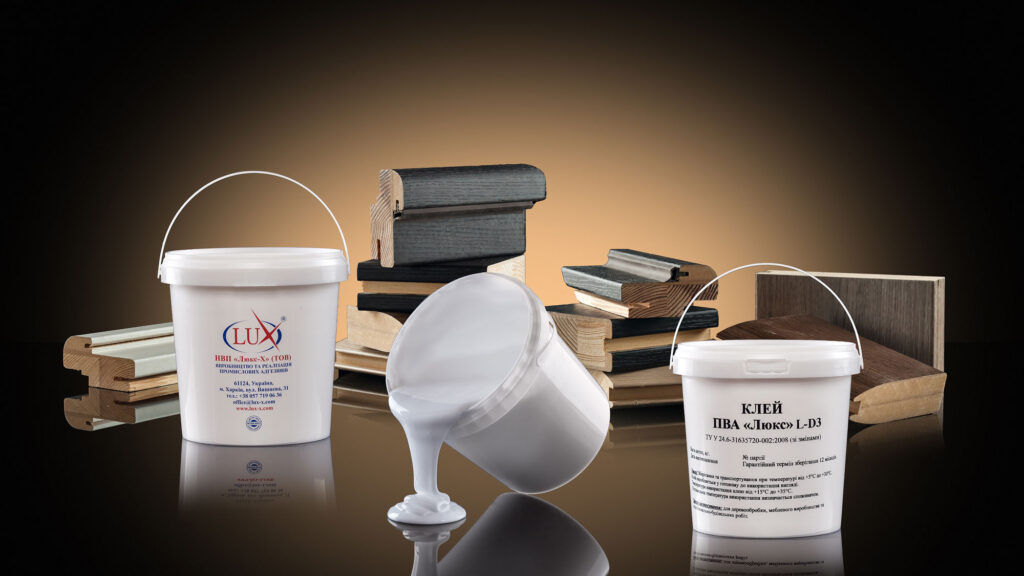
  • Wood glue is the best solution for the woodworking industry, including the manufacture of furniture, baseboards and other elements made of natural materials. It has different water resistance properties (from D1 to D4), their choice depends on the area of the adhesive’s application. There is a more detailed description of the properties of wood polyvinyl acetate glue in this article.
  • Construction adhesives are added to plaster, cement, and primer mixes, and are also used in the installation of floor coverings such as tile, parquet, or linoleum.
  • Multi-purpose adhesives are used for gluing wood, paper and leather products, they show excellent adhesion properties with respect to wood, glass and metal elements and can also be used to replace construction adhesives in various mortar mixtures. A less expensive option is a multi-purpose PVAc. However, this type of adhesive will not work on leather, porcelain, and glass products.

Why does PVAc adhesive thicken?

This adhesive is an emulsion of polyvinyl acetate, water and some extra additives. Simply put, the adhesive becomes thicker as the liquid evaporates from it. This can happen for a number of reasons, the most common being improper storage. Open or loosely closed containers, high temperatures and other factors cause water to evaporate and the adhesive to become too thick. It is also important to check the expiry date in good time: even if all the storage rules are strictly observed, the adhesive may lose its original properties once the shelf life has expired. Always check the expiry date on the packaging and follow the manufacturer’s recommendations.

The PVAc adhesive gets too thick: some tips to revive it. If there are white clumps in the glue or you find a dry crust on the surface, don’t worry, there are ways to restore it. But if it is completely dried out, there is nothing you can do about it, just throw it away and buy a new one.

Ways to dilute the PVAc adhesive

We have come across a number of tips on the internet on how to dilute adhesives, but not all of them are really practical. Since PVAc adhesives are our business, we can say with certainty that it can only be diluted with water, as it is a water-based adhesive. Forget about petrol, vinegar, acetone or other solvents as they will destroy the structure and properties of the adhesive.

PVAc adhesive dilution instructions

  1. If there are any flakes or crusts on the surface of the adhesive, remove them first. If you find any jelly-like lumps, leave them as they will dissolve during the operation.
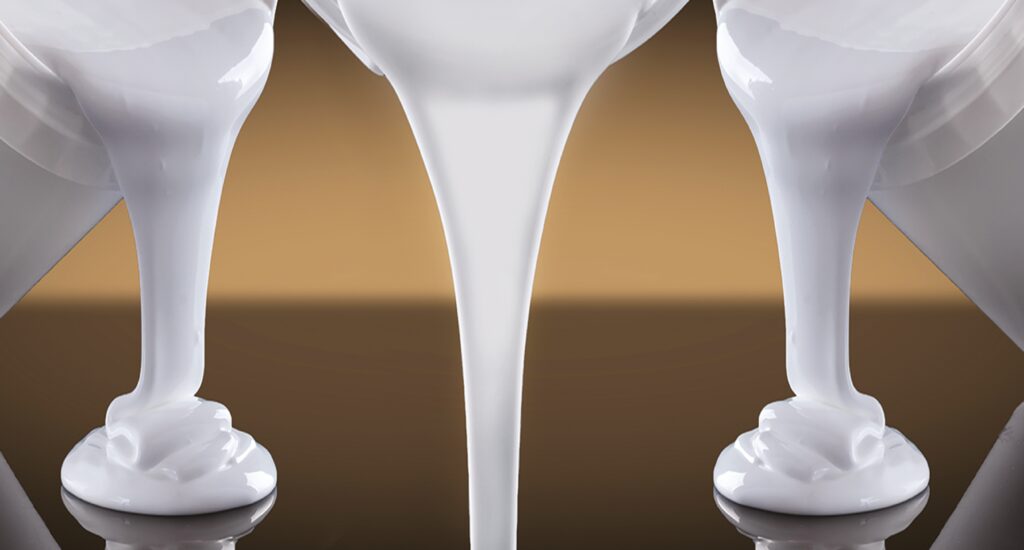
  2. Prepare the water properly. Firstly, it should be warm (but not hot) and secondly, the maximum amount of water allowed should be up to 10% of the adhesive. Check the consistency after dilution – it should be like thick sour cream. Take care not to add too much water, as excess liquid will completely destroy the adhesive properties.
  3. Start by adding water in teaspoonfuls, stirring well until the mixture is homogeneous.
  4. Allow some time for the PVAc adhesive to soak in, do not use it immediately. It is advisable to stir the product thoroughly before each use in order to homogenize its composition.

It is important to note that even if the adhesive was water resistant (class D4) prior to dilution, this property will deteriorate after the addition of water. So make sure you only use this adhesive on products that will not be exposed to moisture or left outside in the rain or frost, otherwise they will come unstuck.

How to keep the adhesive from drying out?

To maintain the original consistency and properties for as long as possible, follow the manufacturer’s recommendations:

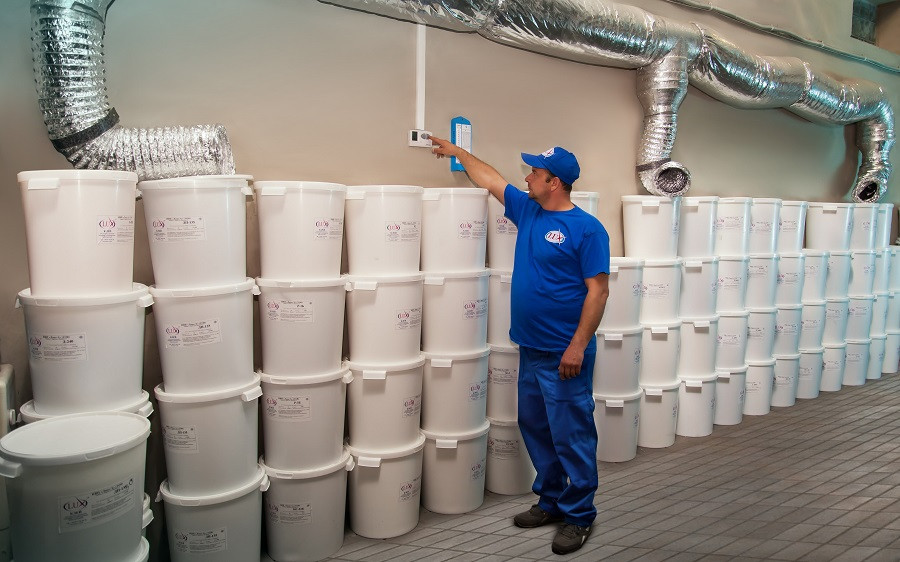
  • Store the PVAc adhesive in its original tightly closed container and ensure that the container is tightly closed each time the adhesive is used.
  • The temperature in the room where you store the adhesive should be in the range of +5°C…+30 °C, with humidity not exceeding 60%.
  • The average shelf life of adhesives is usually one year, so check it regularly to make sure you have the adhesive on hand when you need it.

Are there any other ways to revive thickened PVAc adhesive? The method described above is the only way to “revive” your glue, but there is an easier way – buy a new one. Our company offers a wide range of adhesives, and Lux-X managers are always available to help you choose the type that best suits your needs. In this article, you will find out more about PVAc. You can get advice or place your order online or by calling +38 (050) 324-06-36; +38 (068) 766-06-36.

Serhii Zhorniak

Author of the article:

Serhii Zhorniak

<p>Chief Technologist of the <span class="text-no-wrap">SPE «LUX-X» (LLC)</span></p>

Number of articles: 21

Articles you might like

Vinyl and non-woven wallpaper: application rules of glue

Vinyl and non-woven wallpaper: application rules of glue

A big number of diverse materials for interior and exterior decoration of premises appear on the shelves of building centers every year, meanwhile, an assortment of construction materials for repair work has been rapidly increasing.
Read article
How to use a hot glue gun

How to use a hot glue gun

The hot glue gun is a tool used for gluing parts with the help of hot melt glue sticks. The hand-held hot glue gun softens the glue, doses it and applies onto a surface. Such a tool is simple and convenient to use.

Read article
Storing «Lux» adhesives in winter time

Storing «Lux» adhesives in winter time

Dear customers, Scientific and production enterprise “Lux-X” LLC, the largest producer and supplier of industrial adhesives in Ukraine, would like you to pay attention to storage, transportation, handling, application conditions in cold weather. In winter time dispersion adhesives can be delivered only by specially equipped transport, that's why we are asking you to place the orders for shipment of adhesives in advance.

Read article
Types of wood glue. Principles of the right choice

Types of wood glue. Principles of the right choice

Not only ordinary people but professionals often arise a question: which wood glue is best suited for efficient bonding of substrates? To find out what types of glue with their basic characteristics and properties exist, we have prepared this article.

Read article
Glue Sticks: Types, Applications, and Selection Tips

Glue Sticks: Types, Applications, and Selection Tips

Adhesive rods are used in many industries as part of the process of manufacturing and assembling products. In addition, rods are used in everyday life. In decorative arts there is nothing more universal than gluing with a hot glue gun.

Read article
Polyvinyl acetate emulsion: application areas

Polyvinyl acetate emulsion: application areas

PVAc dispersion is polymerized vinyl acetate in water. The widely used PVAc adhesive is produced based on polyvinyl acetate dispersion, plasticizers and other additives. Often PVAc dispersion is called a polyvinyl acetate emulsion.

Read article
Packaging Trends in the Brewery Industry

Packaging Trends in the Brewery Industry

The latest packaging trends for breweries filling glass bottles emphasize sustainability, innovation, and efficiency while maintaining product freshness and enhancing visual appeal.

Read article
How to properly store, apply and dispose of industrial adhesives?

How to properly store, apply and dispose of industrial adhesives?

We are frequently asked about the shelf life of our adhesives, since any raw material has its own use and storage warranty period. Today we will tell you about the recommended storage duration, rules of transportation and disposal of our products: synthetic, semi-synthetic, natural dispersion adhesives, PVAc and hot-melt adhesives. 

Read article
Adhesion and possible problems

Adhesion and possible problems

When bonding any material, regardless of the type of adhesive, the result is important, i.e. the strength of the adhesive line, its resistance to various external influences and its durability. This is due to the adhesive property.

Read article
Concrete impregnation agents: their definition, types and purpose

Concrete impregnation agents: their definition, types and purpose

Concrete is one of the most durable construction materials, which is why it is used to construct military and civilian structures, including shelters, industrial, commercial, administrative buildings, infrastructure, warehouses and residential buildings.

Read article
PVAC adhesive: an all-purpose glue and why is it still popular?

PVAC adhesive: an all-purpose glue and why is it still popular?

PVAC adhesive is one of the best-known and widely used adhesives in the world. Two chemists invented PVAC at the same time: a German and a Korean scientist who worked on the future product separately and in different laboratories.

Read article
What kind of adhesive to use for gluing fabrics?

What kind of adhesive to use for gluing fabrics?

The demand for textile industry products is increasing from year to year. In this skilled trade, it is essential that the products be neat, have an aesthetic appearance, and hold their shape and color after each washing. Hence, it is difficult to do without an adhesive in textile production because not all materials can be joined using a thread and needle.

Read article
Concrete Impregnating Agent: A Guarantee of Reliability and Resistance to Moisture of Civil and Military Structures

Concrete Impregnating Agent: A Guarantee of Reliability and Resistance to Moisture of Civil and Military Structures

Nowadays, civil and military construction cannot do without the building of various defensive structures and fortifications. Their main purpose is to ensure the safety of people and objects, to guarantee the functioning of infrastructure even in extreme conditions, while maintaining its comfortable conditions. That is why concrete is the most important material in civil and military construction.

Read article
PVAcglue’s drying rate for various surfaces

PVAcglue’s drying rate for various surfaces

One may wonder, what is the drying time of PVAc glue? The drying time hinges on the quality of glue and the materials the product is made of. This article will be helpful in finding out the drying time of PVAc glue on various surfaces.

Read article
What is used to glue paper and cardboard?

What is used to glue paper and cardboard?

Paper and cardboard are the most popular materials used in making cartons, packets, bags and other containers. An advantage of a paper package is its neat appearance and ecological safety.

Read article
Adhesives used in the production of paper towels and toilet paper

Adhesives used in the production of paper towels and toilet paper

When you think of products that are manufactured with the help of adhesives, the last thing that will come to your mind will be their use in the production of toilet paper, paper napkins or towels. However, adhesives are very important for hygiene products.

Read article
“Lux” brand water-repellent coating for corrugated board manufacturers

“Lux” brand water-repellent coating for corrugated board manufacturers

Scientific and Production Enterprise “Lux-X” (LLC) has presented a new product developed in its own scientific laboratory: The water-repellent coating used in the pulp and paper industry when corrugated board is produced.

Read article
Industrial glue: types, features, composition, application

Industrial glue: types, features, composition, application

In industry, glue began to be massively used with the advent of the first factories. Then adhesives of natural origin were in demand. In the war years, to meet the needs of the army, synthetic adhesives appeared, with which metal, leather, wood, rubber and other materials were bonded.

Read article
Merry Christmas and Happy New Year 2025 !

Merry Christmas and Happy New Year 2025 !

Dear partners and friends! Please accept our sincere congratulations Merry Christmas and Happy New Year 2025!

Read article
How to remove the glue from clothes?

How to remove the glue from clothes?

Often, when doing the repair or working with glue in the workplace, we come across the fact that some adhesives have a property of damaging the personal protective equipment, working clothes, hands, tools and other objects. Fortunately, we know how to remove the glue from fabrics and other surfaces and we will discuss this in the article.

Read article

Please wait...

We are preparing a reliable adhesive joint.