
Glue Sticks: Types, Applications, and Selection Tips
Adhesive rods (sticks)
Adhesive rods are used in many industries as part of the process of manufacturing and assembling products. In addition, rods are used in everyday life. In decorative arts there is nothing more universal than gluing with a hot glue gun.
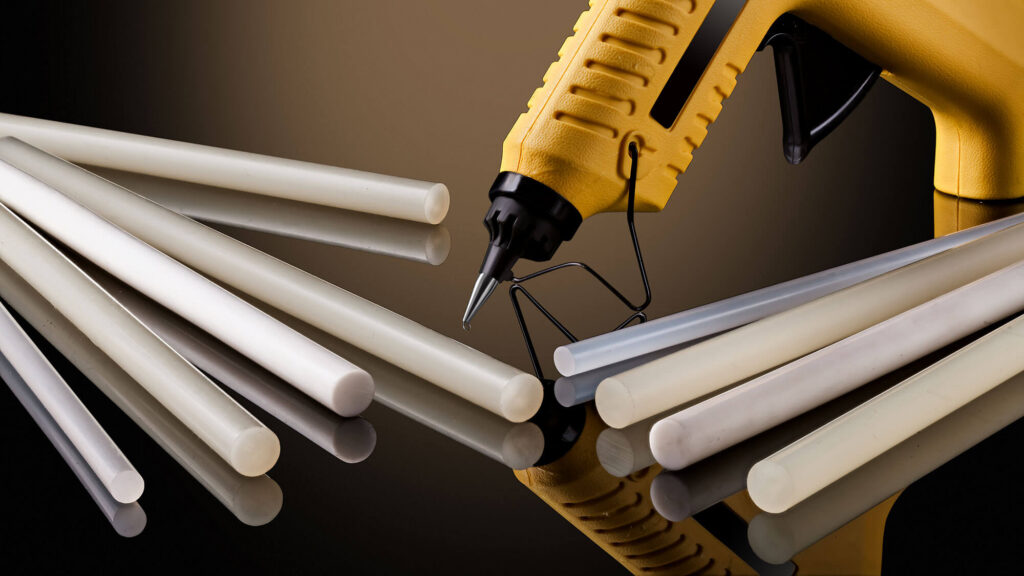
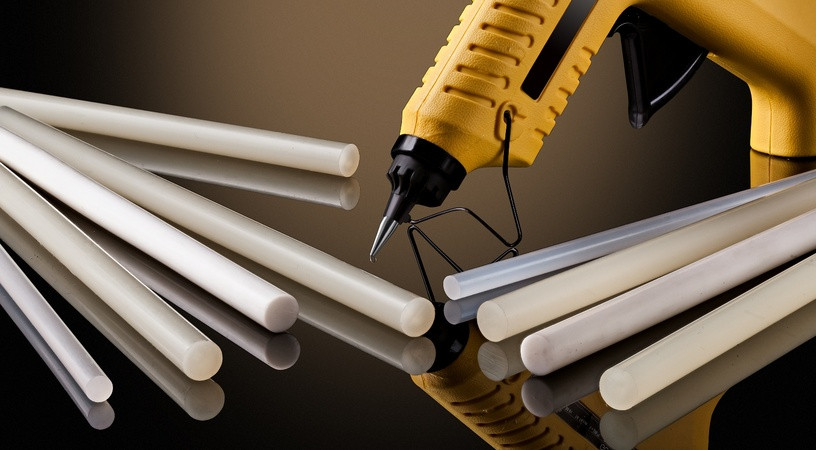
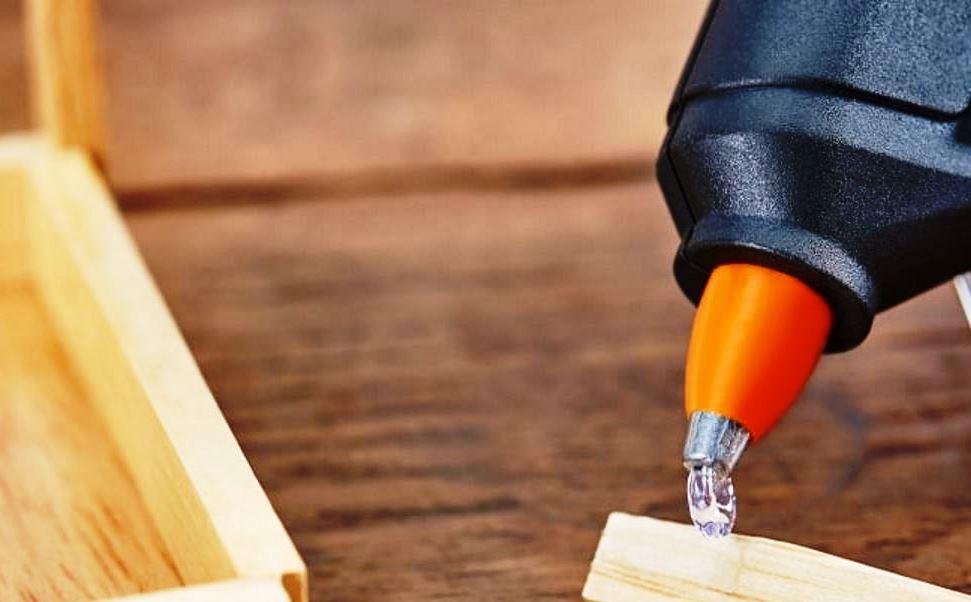
Sticks are flexible rods of translucent glue placed in a special glue gun. After heating to the desired temperature, they melt, and are then applied to components to be glued together. The glue coming out of the gun is hot, but it cools down quickly and hardens. Depending on the brand, adhesive rods have an open time from a few seconds to a minute. The ambient temperature also affects the open time. Hot melt is applied smoothly, tacks quickly, can be stored for several years and is able to be used when working with a wide variety of materials.

Hot melt sticks: types and varieties. How to choose assembly adhesive sticks?
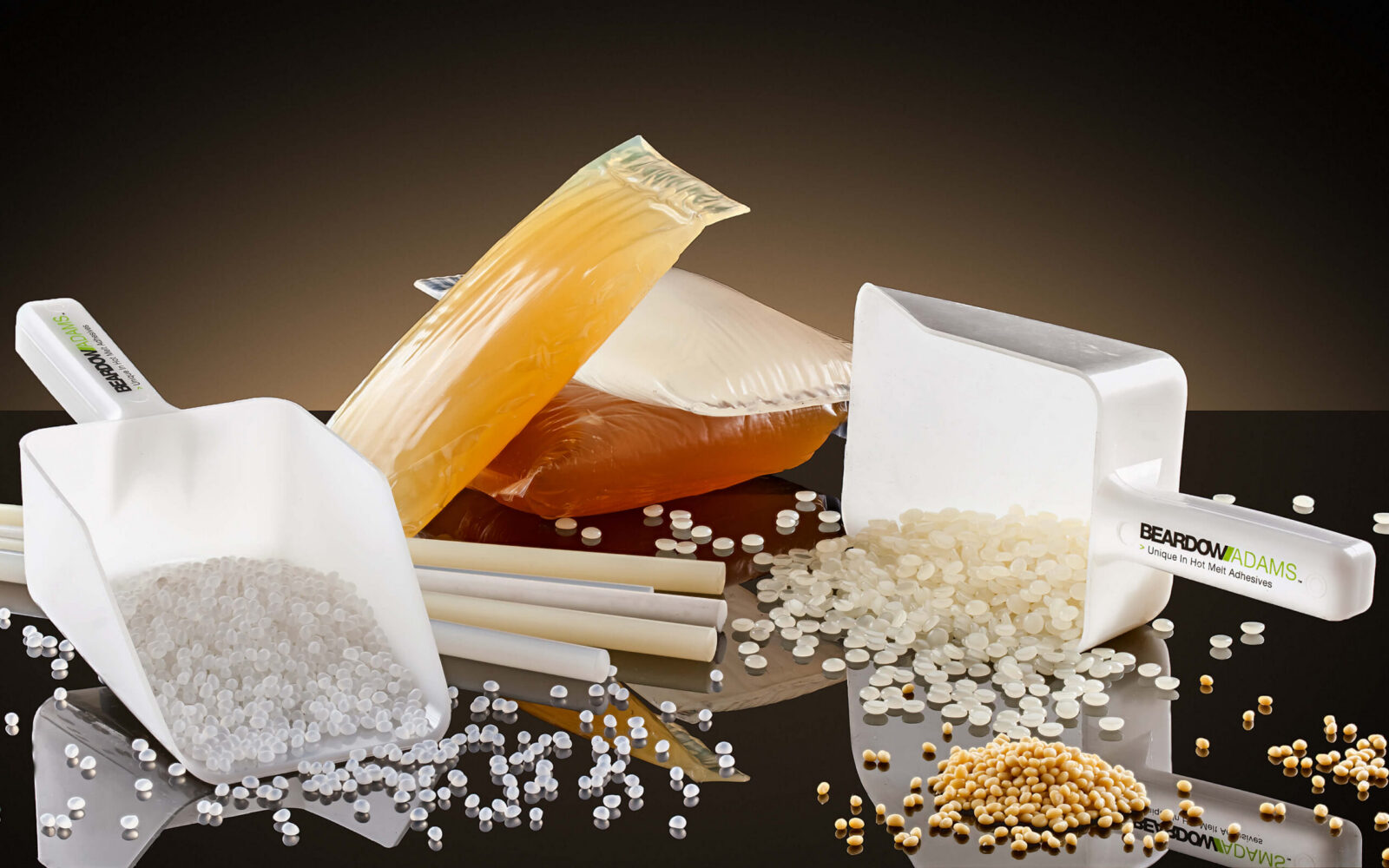
- Hot melt rods are made of a thermoplastic polymer with the addition of wax, resin, stabilizers and adhesion additives to produce particular types of glue.
- Sticks used for industrial applications must have high productivity and good bonding properties for complex applications. Therefore, they are produced according to different recipes; each brand has its own specific characteristics.
- Adhesive sticks differ in diameter and length depending on the type of glue gun that is used. The most common rod diameters are 7 and 11 mm. The rod lengths varies from 4 to 30 cm.
- Coloured rods are produced for various crafts and hobbies, as well as rods with shiny patches that reflect light on the surface.
- In addition to recommendations for selecting the proper glue, customers must conduct their own adhesive product tests to determine suitability for their equipment and the substrates to be bonded.

Application of adhesive rods in industry
Product assembly
Hot melt rods are used in various types of assembly units, both small and large in size. They bond almost any substrates, including: plastics, metals, ceramics, rubber, PVC, acrylic, polycarbonate, polystyrene, etc. Hot glue gun rods have been used in automotive and lighting assembly as well as electrical engineering.
It is important to understand that a stick is a thermoplastic product. Hot melt softens when heated and returns to a solid state after cooling. For this reason, standard hot-melt rods are not recommended for applications where the bonded products are exposed to high temperatures or direct sunlight. It is recommended that special industrial rods with high heat resistance are used for application in these conditions.
Furniture manufacture and woodworking
When assembling furniture and woodworking, hot glue gun sticks are used for fastening small joints, mounting and finishing. Another application is surface lamination of parts. Industrial sticks have excellent adhesion to materials used in furniture production: wood of various types, particle board, MDF, laminate, polyurethane foam, vinyl and fabric. High setting speed and ease of use associated with hot melt sticks significantly speeds up production. Due to the average open time, it is possible to adjust the glued parts, increasing the accuracy of the work performed.
Construction and repair
- Hot melt sticks are widely used in the construction industry. With the help of a hot glue gun, builders not only glue, but also repair engineering facilities, fill seams, and seal.
- Glue sticks can be used for all types of flooring and carpets. Using sticks improves the quality and aesthetics of the floors, compared with nails and staples.
- With the help of hot melt rods, it is possible to mount decor elements made with various materials, including ceramics, stone and glass, on the walls, floor and ceiling.
- It is especially convenient to use sticks on vertical surfaces due to their high setting speed.
Packing and Printing Industry
In packaging, adhesive rods are usually used to quickly close cardboard boxes, trays, wrappers and other types of finished packaging, as well as to compact and stabilize pallets. Industrial hot melt rods make packing processes effective due to their strong setting and the water resistance of the glue lines. It is especially important to apply sticks in high-speed production environments. Industrial hot glue guns allow you to work continuously, without stopping production lines.
Many printing companies use adhesive products in sticks to attach samples, coupons or credit cards, as well as for book binding.

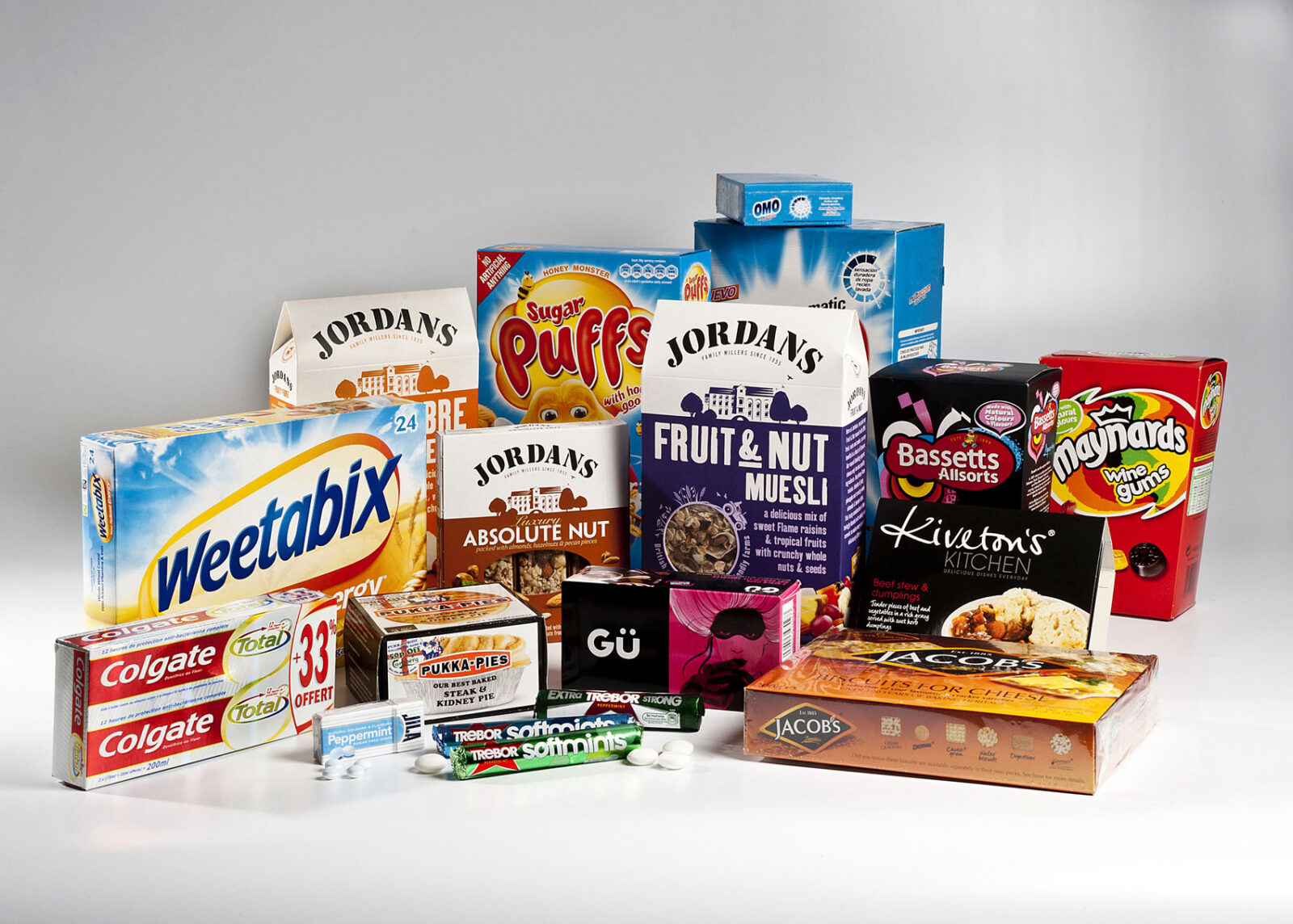
In addition to the previously mentioned applications of glue rods in the industry, it is also important to note the following:
- Label bonding: It is the most commonly used adhesive for gluing paper labels to polyethylene or plastic, including packaging for products that will be subjected to deep freezing.
- Transportation: Industrial rods can be used to assemble cars, trucks and buses. In the transportation sector, hot melt is used to connect small assemblies, to mount the skin, laminate surfaces and assemble various components.
- Electronics: Hot melt plays a key role in the production of electronics. Your computer, smartphone, TV remote and other devices that you use every day all contain hot melt. In electronics, industrial hot melt adhesives should have additional properties to allow normal function of instruments. Hot melt rods should not contain components that can damage electronic parts and also must withstand vibration.
- Footwear Manufacturing: Adhesive rods are used for applying parts in footwear manufacturing such as gluing interior foam rubber, insoles and the shoe tongues as well as exterior accessories.
Hot glue guns
A hot glue gun is a very simple tool. It consists of a heating element, a duct for feeding glue rods through the heating element and a holder or handle.
In most cases, hot glue guns are connected to an outlet and have a standard fixed wire. To use the gun when away from power sources there are models with a detachable cable that allows you to work autonomously for 10 to 15 minutes or with a stand charger as well as guns that use batteries.
It takes about three minutes to heat the hot glue gun element to a sufficient temperature to melt the solid adhesive sticks to a fluid state. When the glue starts to flow easily from the nozzle this means that the gun has heated sufficiently to start work.
The price of glue guns varies, with some base models available for less than $10, to professional models with prices greater than $100. When choosing a gun, you need to consider where it will be used, because different models have significantly different control and comfort operating characteristics.
How do you apply stick hot melt?
- Choose the diameter of the glue rods depending on the hot glue gun. The standard stick diameter is 7 and 11 mm. Guns are very sensitive to the rod diameter, so make sure that they match the size specified in the user’s manual. The length of the rod does not matter. The longer the rod, the less often it is necessary to replace it.
- Before application, make sure that the nozzle on the gun does not contain dried pieces of glue.
- Insert the adhesive rod until it is seated in the opening in the back of the gun. If the gun already has a partially used rod, you can finish using it. You do not need to load a new stick for each project.

- Turn the gun on and wait for the glue to warm up. Usually the gun requires two to three minutes, so that the glue melts and is easily dispensed from the nozzle when the trigger is pressed. Larger industrial guns may take up to five minutes to heat the glue.
- The bonding temperature for most hot glue sticks is between 160 and 190° C. Powerful industrial hot melt guns can be heated up to 200° C. This does not affect the adhesive characteristics of the stick, they will just melt faster.
- Important! The adhesive rods are melted at high temperature. If they come into contact with skin molten glue can cause severe burns, so follow proper safety precautions.
- Point the nozzle of the glue gun down and place it close to the object that you will be gluing. Gently squeeze the trigger of the gun until the molten glue begins to flow out of the nozzle. Smoothly apply the adhesive directly to the surface of the product, leaving the nozzle in contact with the surface to be bonded.
- Use only the amount of adhesive necessary to glue the product. Excessive amounts of adhesive can cause soft surfaces to become hard and they will not be usable. In addition, excess glue can flow out of the seams and have an unsightly appearance.
- Let the glue harden for a few minutes. For strong binding of some glued surfaces, additional temporary clamping or other means of maintaining contact between surfaces may be necessary.
After finishing work, clean the nozzle of the adhesive residue. If the glue gun has an on/off switch, put it in the “off” position and disconnect the device from the power supply.
Recommendations
We recommend that you consult with our technical specialists to determine the proper Lux-X stick assembly adhesive for your tasks. Choosing the proper stick adhesive will guarantee the quality of the work you will perform and that it will meet your expectations.
If you want to buy stick assembly adhesive we offer to familiarize you with our catalogue of glutinous products on the “Lux-X” site. To order the product of your choice or to ask questions about any of our products you can call us at the phone numbers listed on the website or fill out the feedback form and our managers will call you back. We offer product delivery throughout Ukraine. The price of the products will be given by our managers.