
How to properly store, apply and dispose of industrial adhesives?
We are frequently asked about the shelf life of our adhesives, since any raw material has its own use and storage warranty period. Today we will tell you about the recommended storage duration, rules of transportation and disposal of our products: synthetic, semi-synthetic, natural dispersion adhesives, PVAc and hot-melt adhesives.
Dispersion adhesives storage duration and application conditions
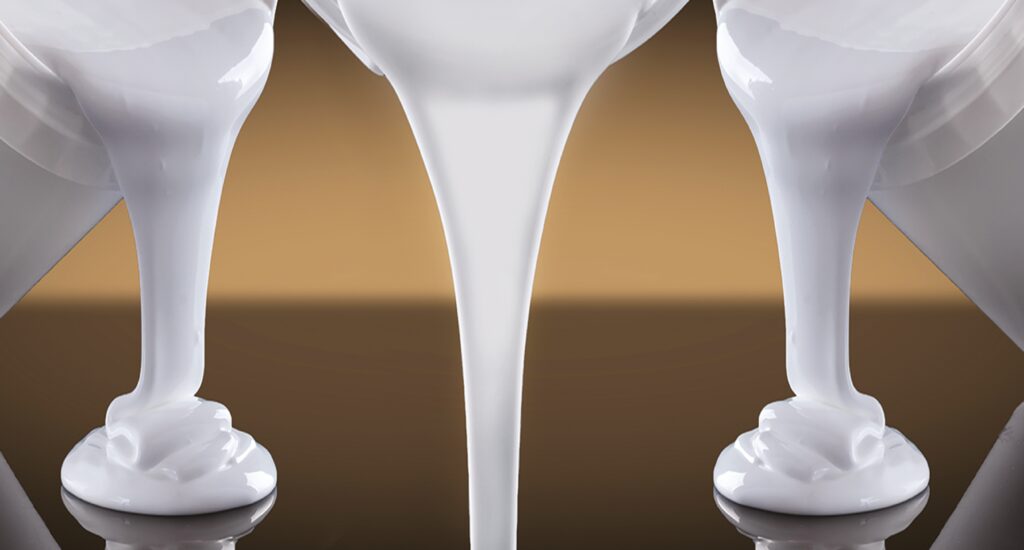
Water-based adhesives are eco-friendly, non-toxic and easily recyclable. They are commonly used in packaging, book binding, lamination, woodworking and many other areas.
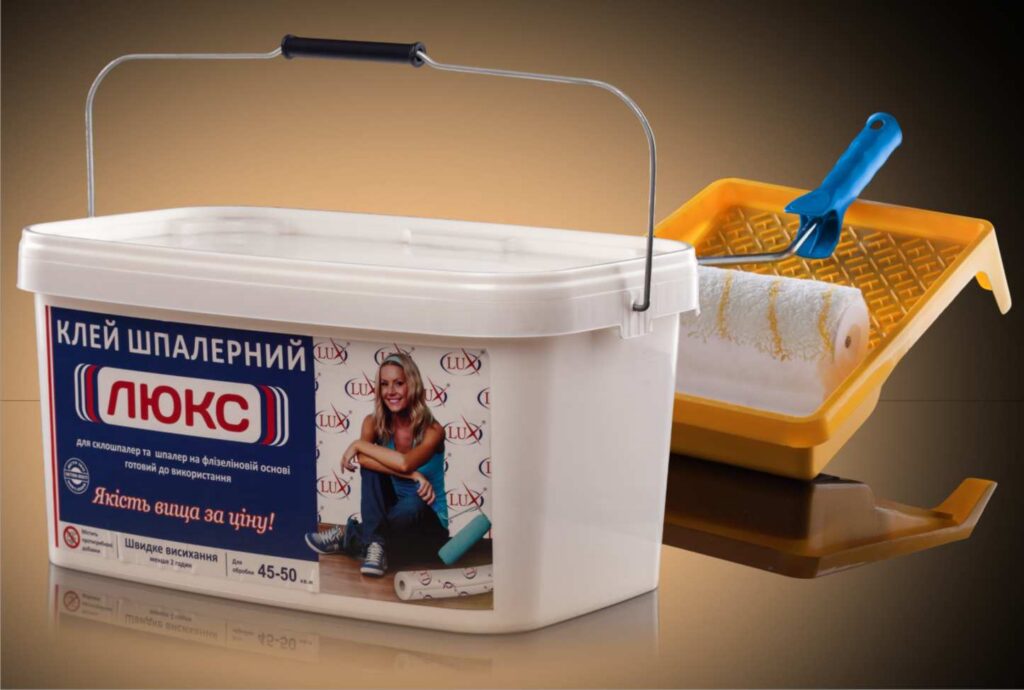
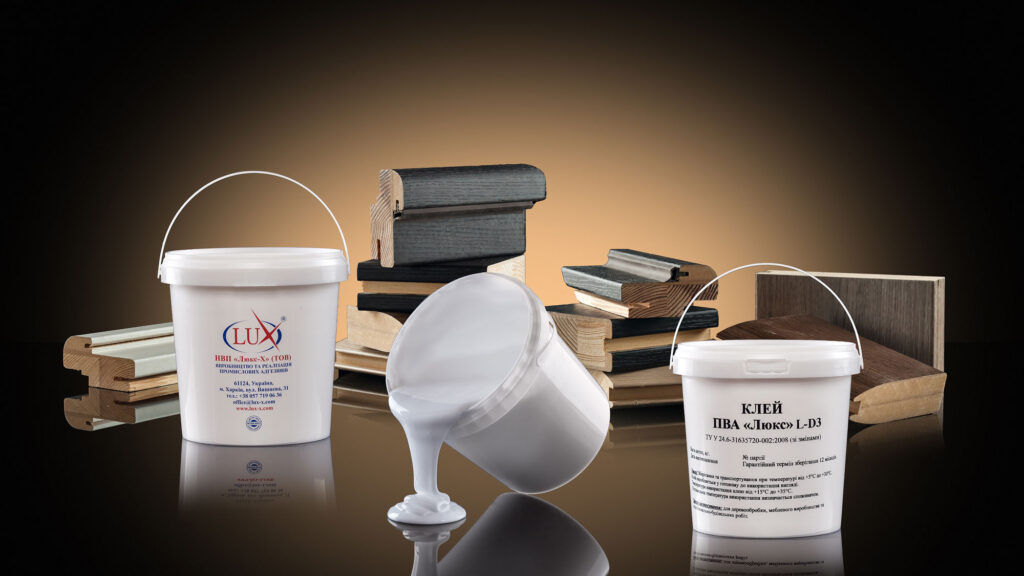
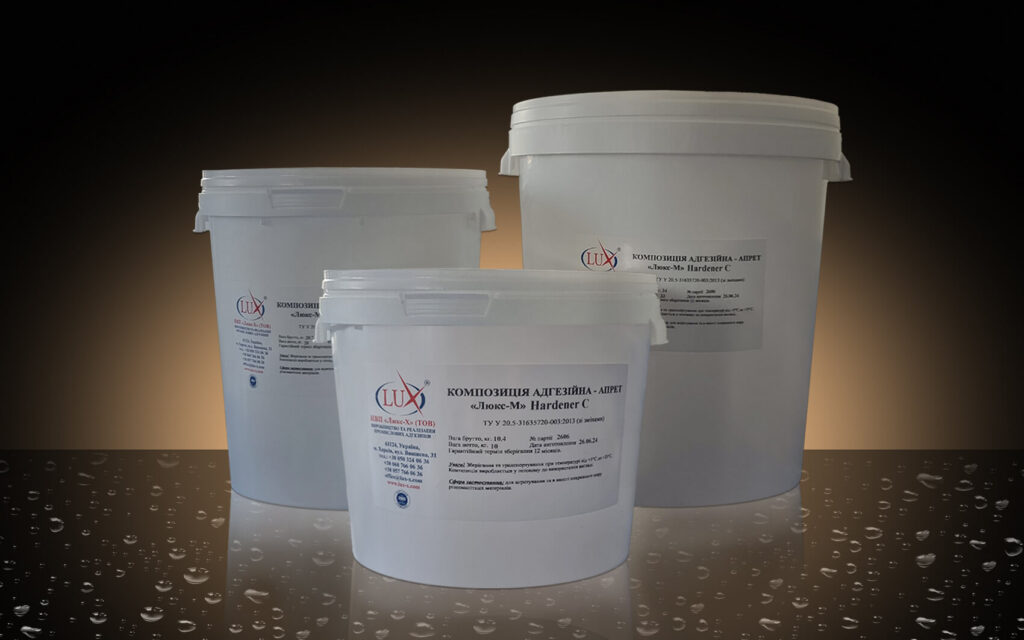
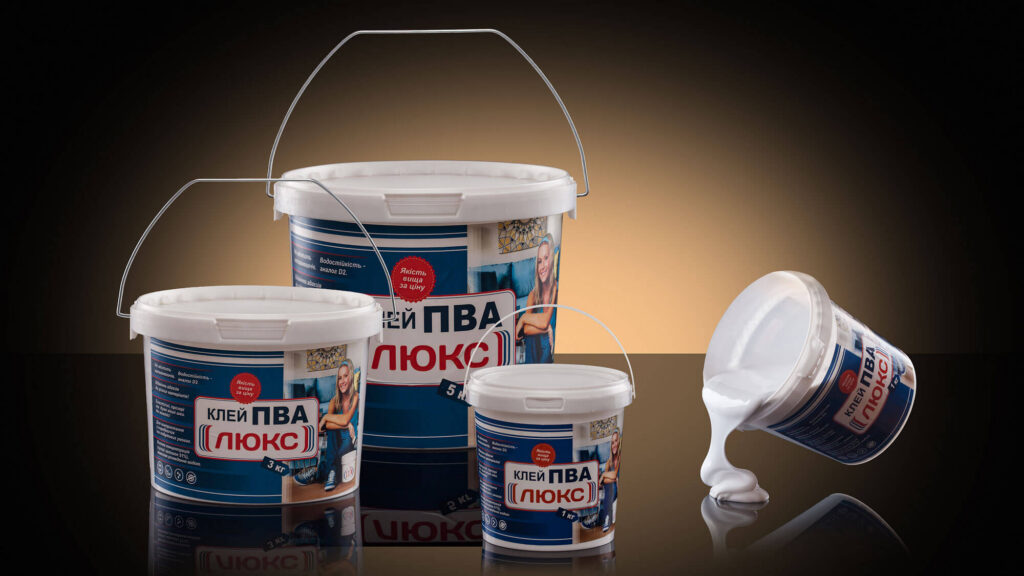
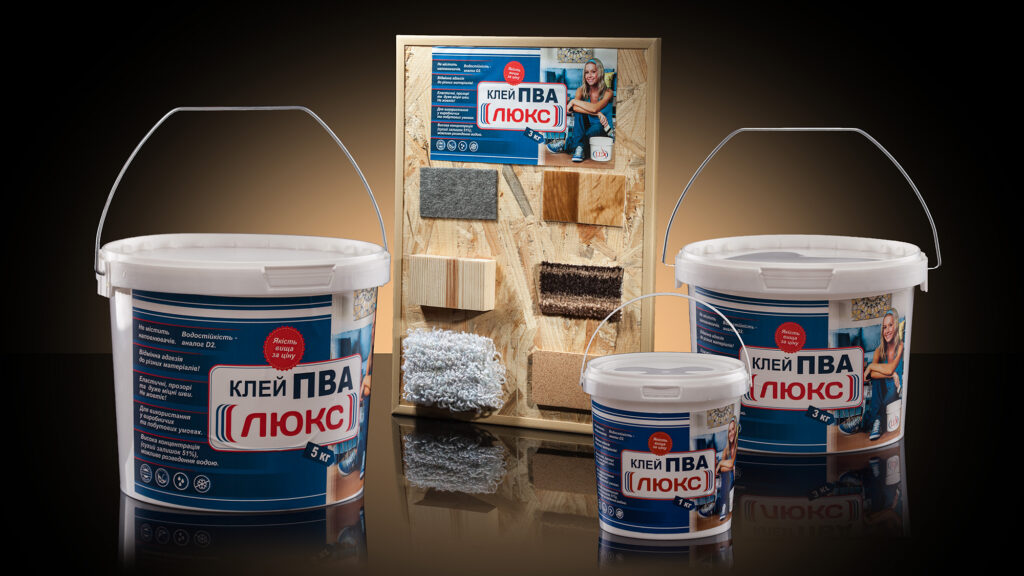
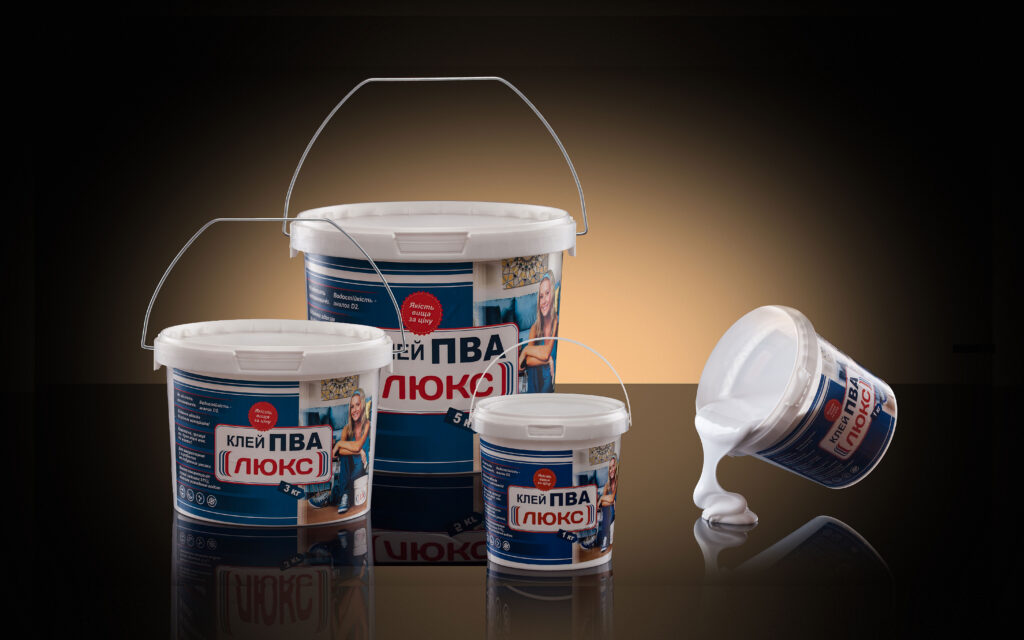
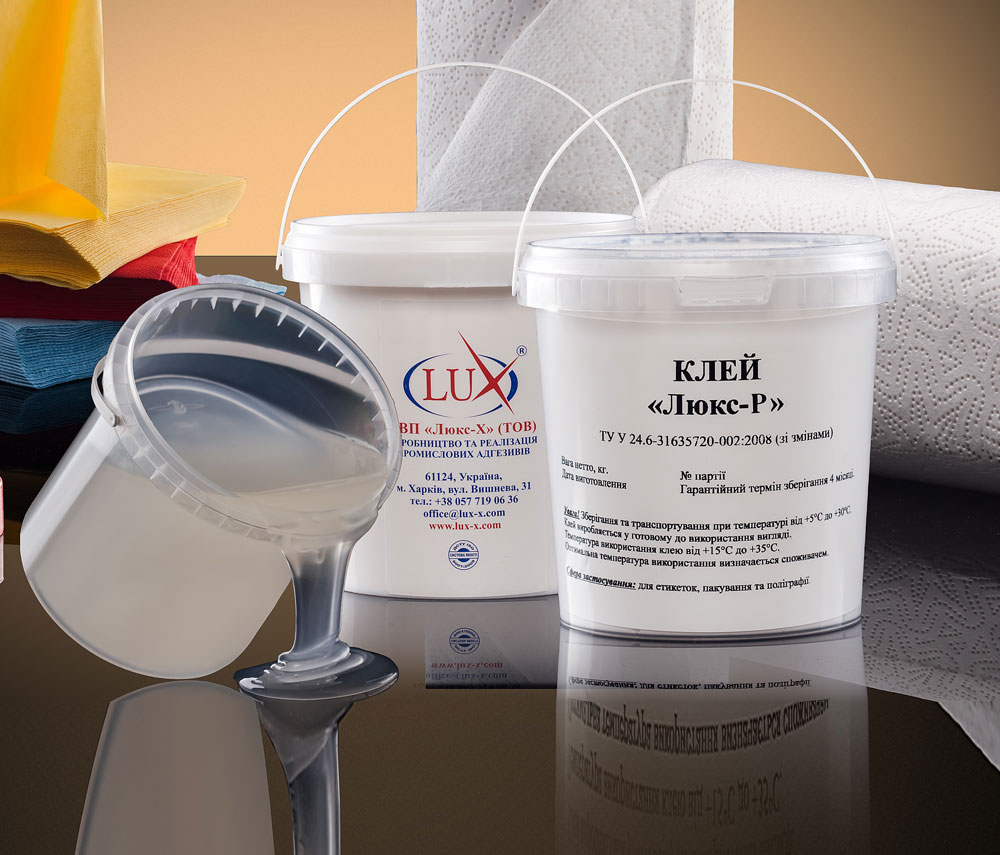
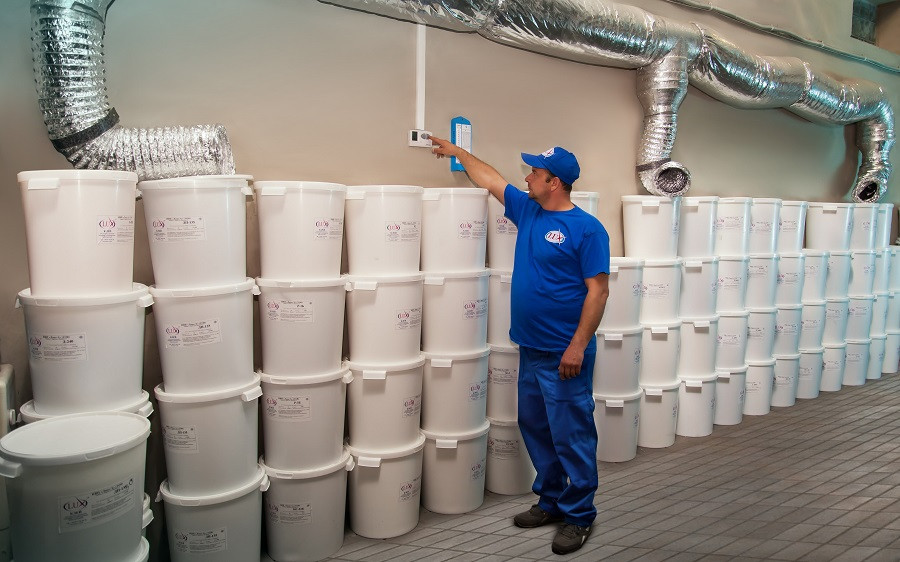
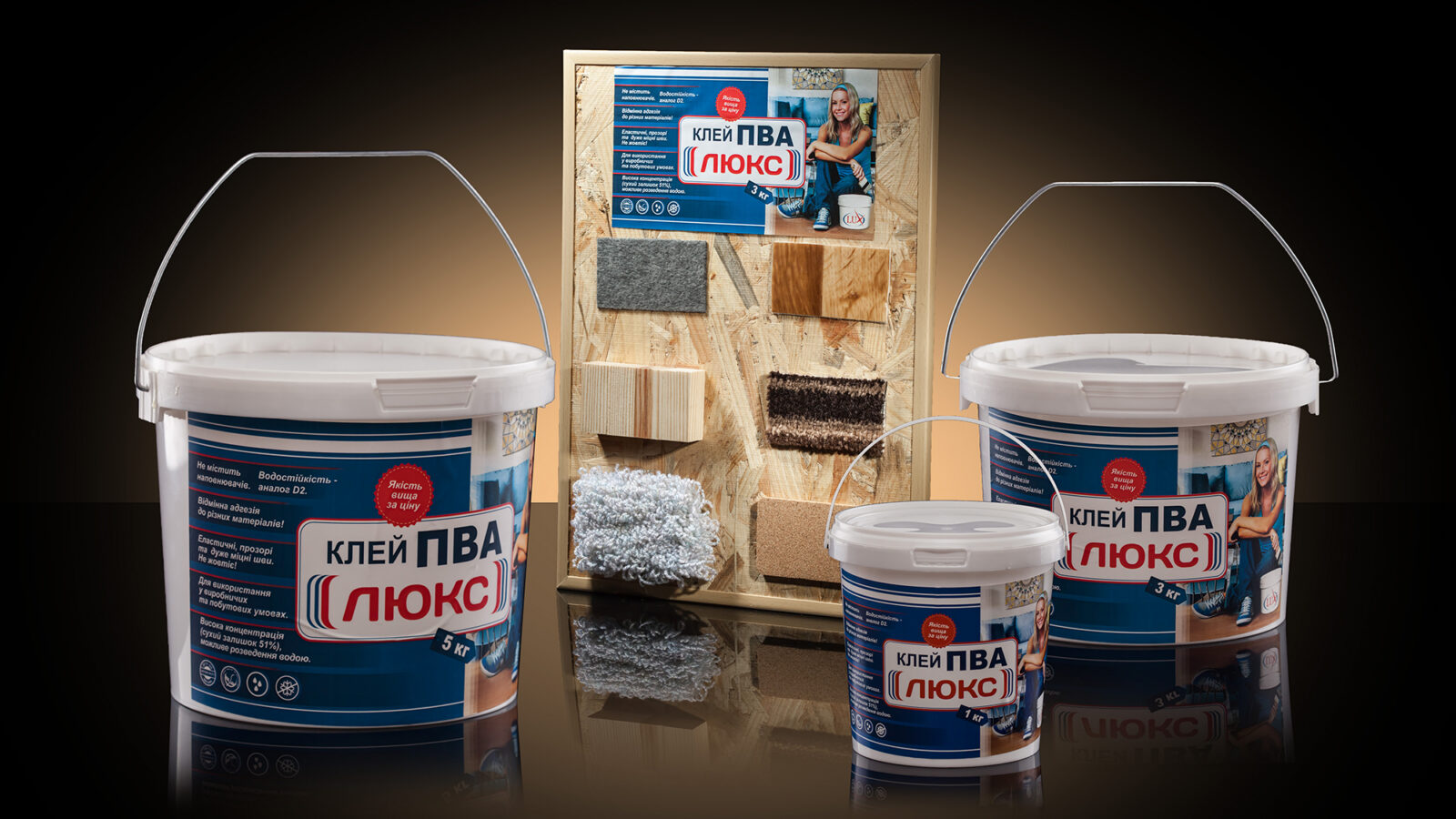
The warranty shelf life of the most LUX TM dispersion adhesive products makes up four months from the date of production, except for PVAc, which has 12 months shelf life, and wallpaper glue with 24 months storage duration. Water-based glue container has a label indicating the date of manufacture and the expiration date of a particular brand.

With proper storage, the characteristics of the adhesive will be perfect during the above period of time. Store the glue in a tightly closed container until it is ready for use. Be sure to mix the product thoroughly before application. To achieve the best possible adhesion, the room temperature when working with glue should be within the range of +15°C to +35°C.
If the glue is not completely used up during the work shift, the bucket must be tightly closed with a plastic lid until it clicks. Please note: make sure that liquid adhesives do not freeze! To ensure the longest possible shelf life, glue containers are to be stored in a cool, dry place, away from direct sunlight. Store and transport water-based adhesives within the temperature range of +5°C to +30°C.
Hot-melt adhesives storage duration and application conditions
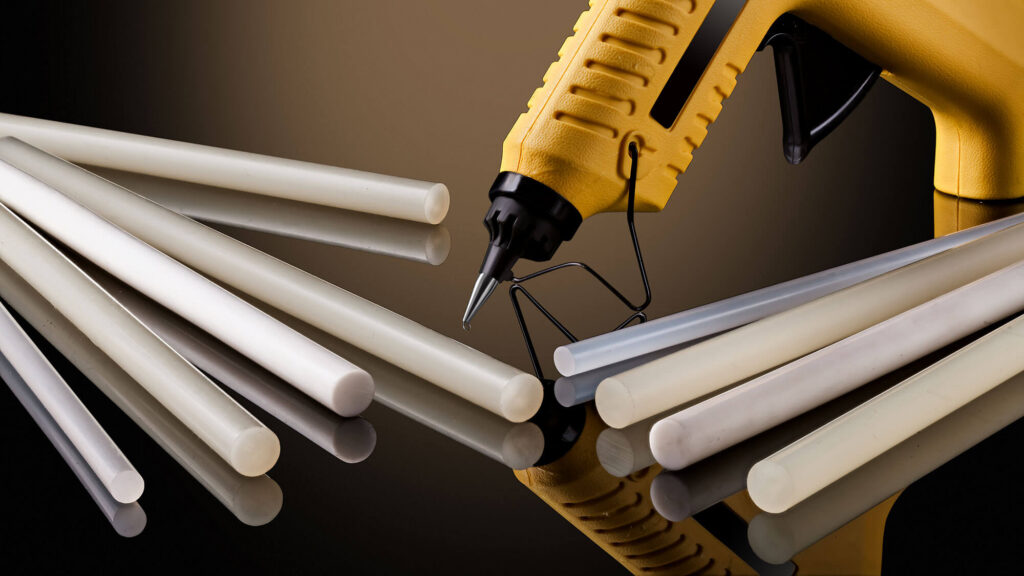
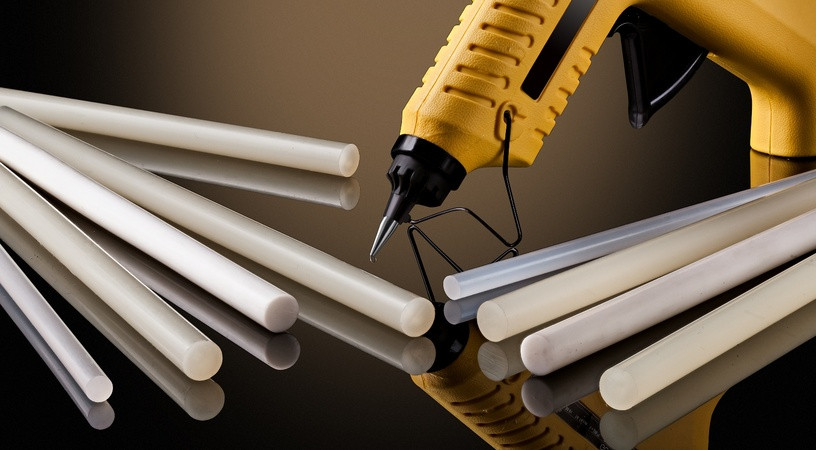
Hot-melt adhesives consist of polymers and 100% solids.They do not contain solvents and water.Hot melt adhesives produced by Beardow Adams TM are applied in the production of packaging, in printing industry, sealing of cardboard boxes, labeling, furniture production and other areas.
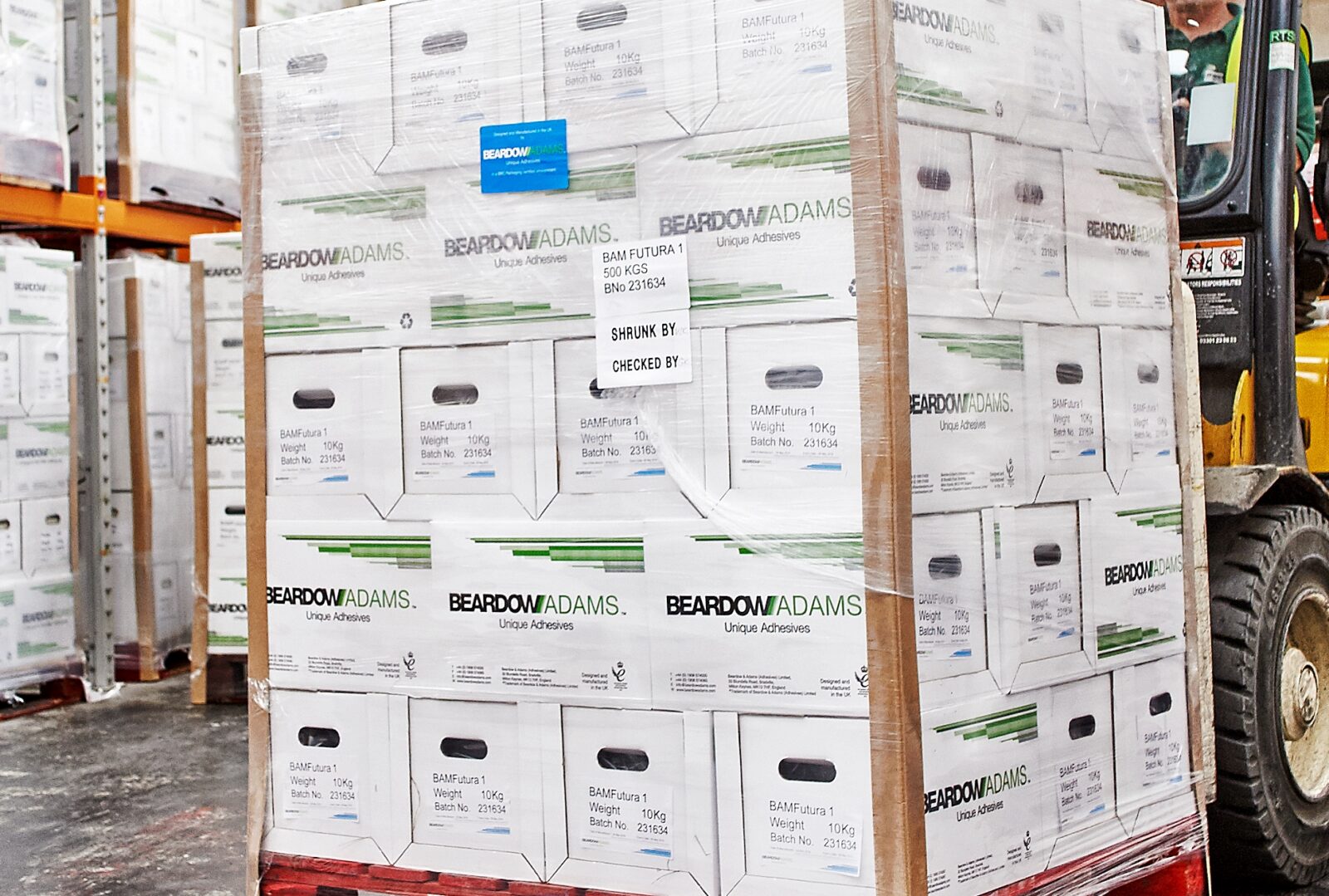
For the best bonding results, hot-melt adhesives should be used within 36 months. Each thermal adhesive bag or box has information about the production and expiration dates. Store the adhesives in clean and dry room within a temperature range of +5°C to +30°C. Keep it closed until ready for use.Carry out rotation in your warehouse to make sure that you use the raw materials with the oldest production date first.

What to do if the adhesives has expired?
Like most products, adhesives have an expiration date, too.You will notice (especially it concerns water-based liquid adhesives) that after the expiration date they may become moldy and unusable.
First of all, if your glue is expired, it is advisable not to try to “make it work”. There is no need to use an expired adhesive on your equipment and potentially spoil the raw supplies, materials and final product. Besides, you will spend a lot of time and money. If the glue is bad, the product is likely to be the same.
Expired adhesive will not provide proper adhesive properties and you will probably have to throw it away. It is very important to properly dispose of the adhesive.
How to dispose of industrial adhesives?
Under ideal conditions, every kilogram of adhesive ordered from us is usually completely used up. Actually, it is not always possible to calculate the necessary needs due to the unstable operation of the enterprise. Occasionally, you will have to dispose of old adhesive. Although proper storage conditions are able to extend the shelf life of the glue and you will be able to use it even longer than indicated in the warranty period, but the time will come when you have to throw it away. Here are some recommendations how to properly dispose of adhesive.
You have to dispose of water-based adhesives in accordance with the requirements of the legislation of Ukraine. Use water as a detergent or cleanser. Undiluted disposal of glue into sewage or into public reservoirs is inadmissible. When used for its intended purpose, the substance is safe for the environment. Keep buckets or containers closed to prevent glue from drying or mold growth. The product provides no toxic effects.
Do not expose dispersion adhesive to extreme temperatures and freezing. Adhesives are to be transported in accordance with the Standardization of the Ministry of Industrial Policy 71.100-078:2004, in covered vehicles, by transport of all types in accordance with the cargo transportation rules. Vehicles must be clean and provide proper temperature conditions during transportation.


It is advisable to dispose of hot-melt adhesive using an incinerator with energy recovery or at specially designated waste disposal sites in accordance with local and national regulations, including European Community standards.
The hot-melt adhesive contains thermoplastic polymers that boost the adhesive properties of resins, and also waxes and an antioxidant. It does not contain harmful components and impurities. The product is applied at high operating temperatures, which may pose a risk of severe burns if the necessary precautions are not followed. High vapour content at operating temperature may cause eye and respiratory tract irritation. The product is able to accumulate static charge.
Overheating of the glue, especially on an open fire, may cause its spontaneous combustion. Excessive evaporation speaks for overheating.
Store the hot-melt adhesive in a cool dry place.The shelf life of the adhesives produced by BAM TM makes up three years, but provided with proper storage conditions they can last longer.
The best practices in handling and storing of raw supplies
Lux-X cooperates with representives of packaging and printing industry and enterprises using cardboard, which can be affected by temperature and humidity. Here are some storage tips for companies working with paper products and glue to ensure the smooth production operation:
1. Temperature adjustment. The temperature of the environment inside a manufacturing company is important. Your company is most likely equipped with ventilation systems and climate control appliances mounted around the equipment, but what about raw supplies’ temperature and humidity control?
Although not all companies may boast climate control appliances, manufacturers are advised to store raw supplies at a temperature of about 20°C, in a place protected from moisture, away from direct sunlight.
Many enterprises have large-volume industrial low-speed fans to ensure air circulation in large rooms, such as warehouses, production facilities and workshops. Also, it is advisable to mount fans in storage areas to maintain consistent temperature and keep the air flowing to prevent mold and bacteria growth.
2. Supplies preparation. Most manufacturers store their supplies, including cardboard, corrugated cardboard, labels and glue, in different sites of the production facility until they are needed. This is a common permissible practice.
To achieve the best bonding results, move the raw supplies that your operators are going to use to the production room in about 24 hours so that the supplies adjust to the temperature difference.
Supplies such as paper or cardboard are affected by moisture. Getting into and out of a humid environment affects the paper substrate, causing its deformation, and it becomes difficult to work with. If the raw supplies are allowed to adapt to the temperature on the floor of the production line 24 hours before use, this may significantly reduce the cardboard deformation.
3. Storage of raw supplies. Seasons change. Be sure to check the temperature in your storage rooms daily to prevent fractionation. There should be a hygrometer on the wall in each storage room, even if it looks dry.

4. Proper arrangement of storage facilities. It is advisable not to store raw supplies on the floor. Sturdy shelves, racks or pallets that are able to hold items in an upright position are highly advisable to protect your supplies, provide proper air circulation and save usable space on the floor.
If you use shelves to keep products made of paper, they should be made of solid materials instead of wire, otherwise the paper will have the imprints. Also, you should keep in mind that all paper supplies should lie flat, as bent or folded paper does not fit well into the equipment and may result in incorrect adhesive application.
Any questions left about the proper storage or disposal of adhesive?
If you have any further questions, please contact us by calling +38 (050) 324 06 36 our manager will provide you with all the required documents: Technical Data Sheet (TDS), Material Safety Data Sheet (MSDS), and a quality certificate to confirm the adhesives storage duration, and its terms of application and disposal. Send us an email to office@lux-x.com or a request right from the website lux-x.com to apply for the copies of all required documents.