
What kind of adhesive to use for gluing fabrics?
The demand for textile industry products is increasing from year to year. In this skilled trade, it is essential that the products be neat, have an aesthetic appearance, and hold their shape and color after each washing. Hence, it is difficult to do without an adhesive in textile production because not all materials can be joined using a thread and needle.
Since product quality depends on the choice of an adhesive, and hence, affects the manufacturer’s standing,the following issue is relevant: what kind of adhesive is best to choose for a fabric? The best one would be a quality adhesive for a fabric that joins surfaces fastand ensures neat and reliable gluing of materials.

What kind of adhesive is suitable for a fabric?
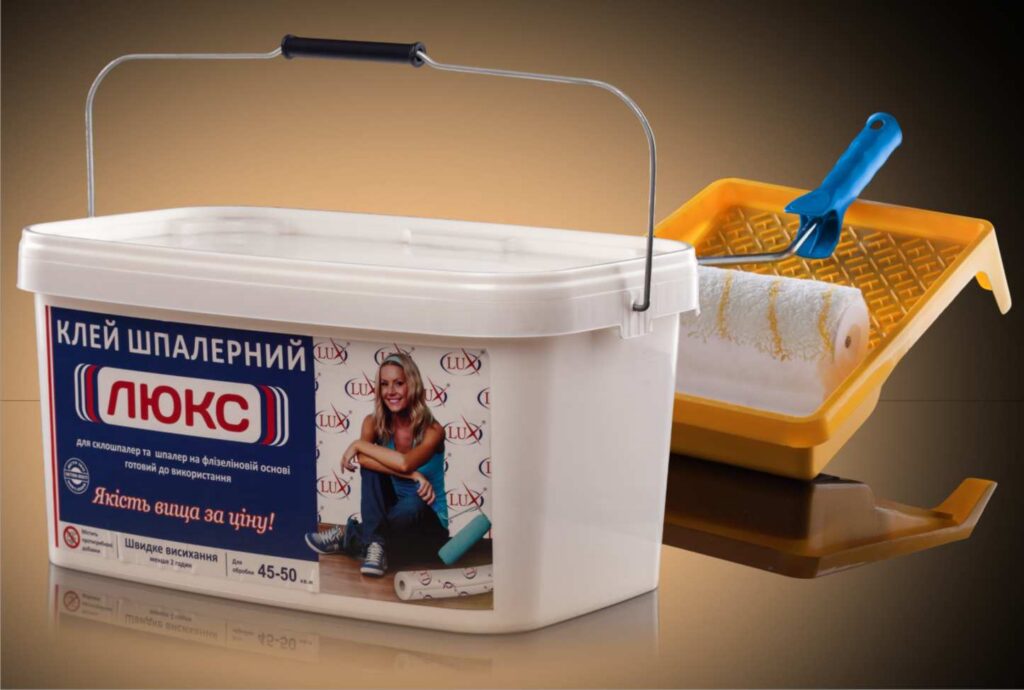
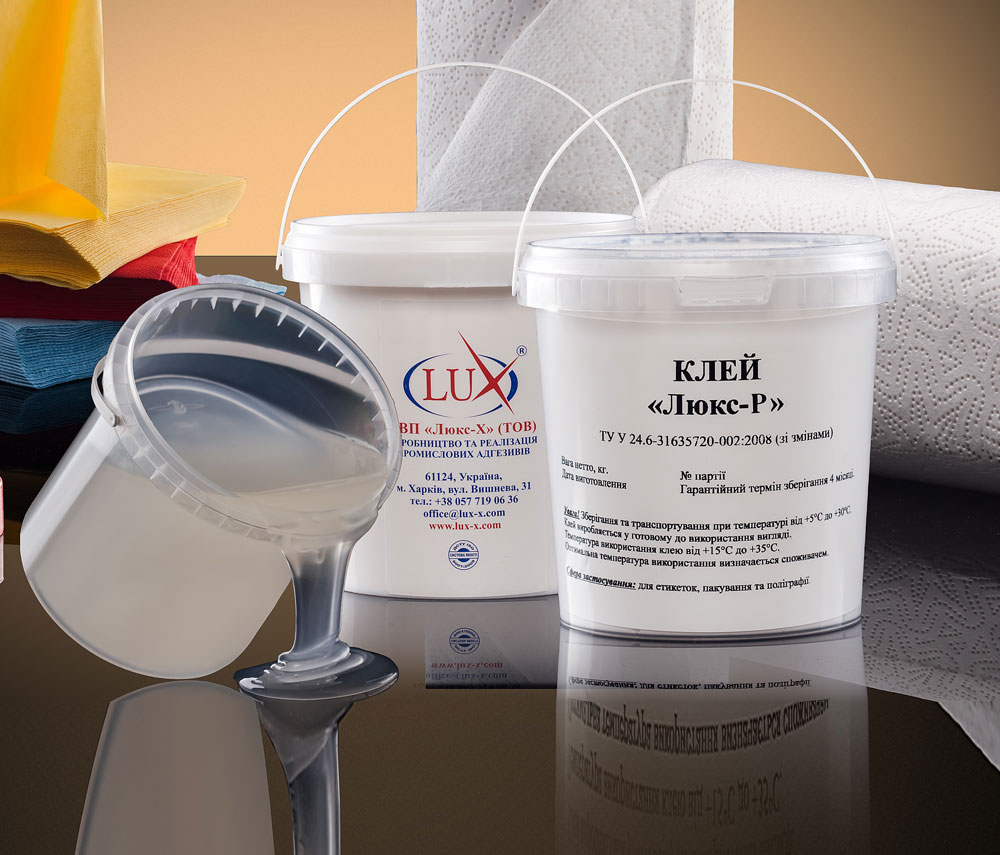
The textile industry uses different materials for creating applique patterns on fabrics or leather when manufacturing clothing, footwear, and clothing accessories. Such materials are as follows: rhinestones, paillettes, beads, and other kinds of trimming. The choice of an adhesive for applique patterns, as well as for gluing fabrics together depends on what kind of material mentioned is used. LUX-Х LLC offers the following kinds of adhesives that ensure strong adhesion of glued surfaces:
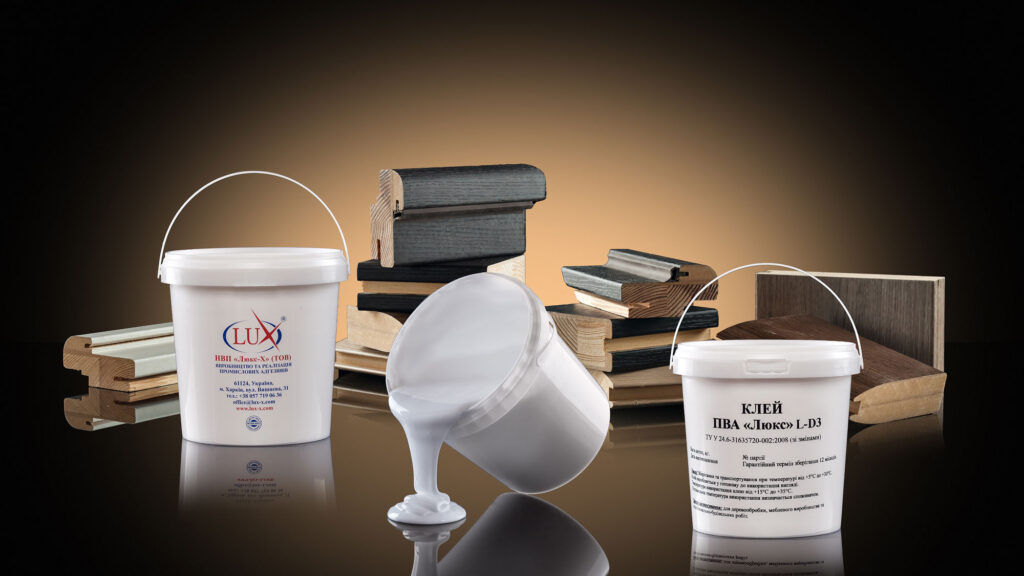
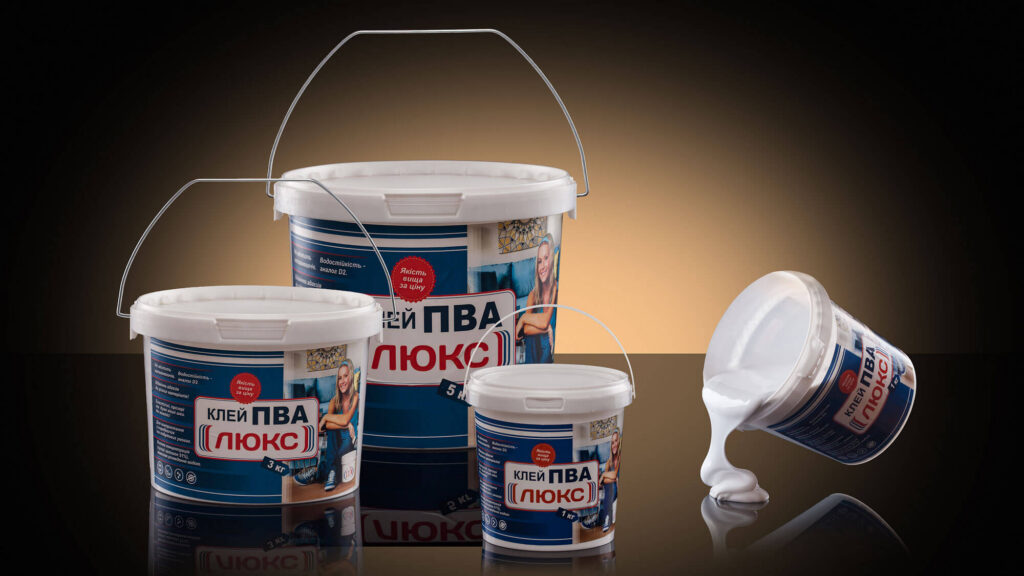
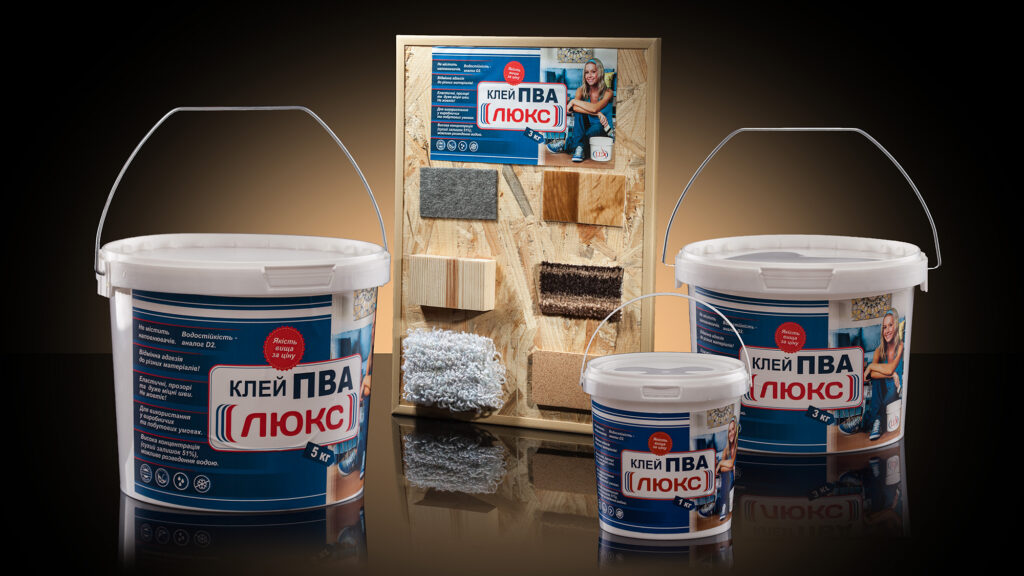
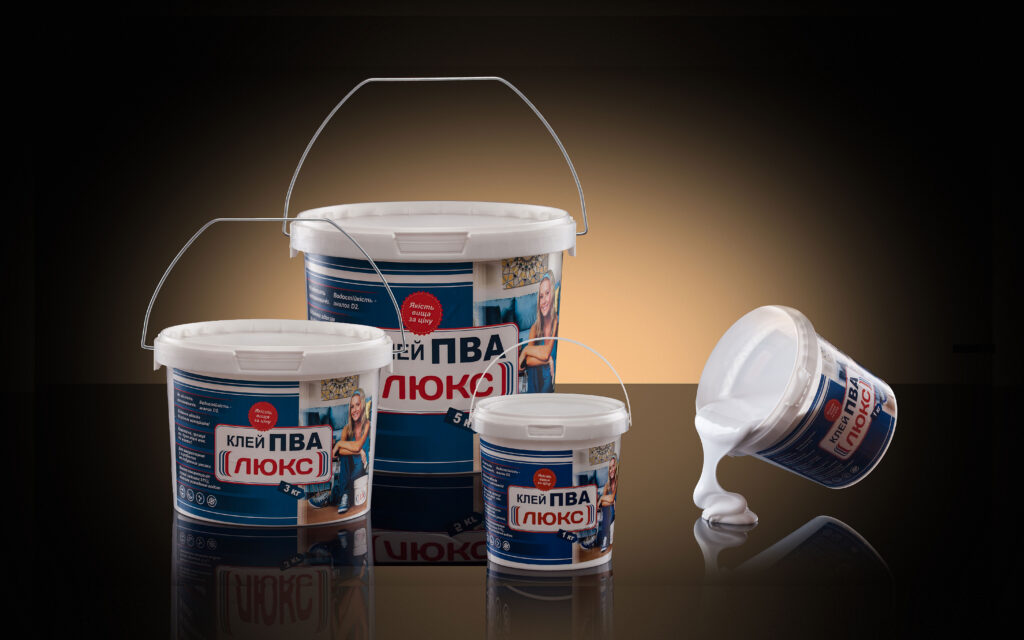
- PVAC Lux-Х adhesive
- PVAC dispersion
- Textile adhesive
- Finishing agents for fabrics – apprets
PVAC is used widely in industry and for domestic purposes. Little wonder thatone of the areas of application of this product is the textile industry because PVAC adhesive has unique properties!
Types of fabrics and the specific aspects of their gluing
In order for bonding to be durable and nice-looking when working with fabrics, you should take into consideration their type and characteristics. Brief overview of the specific aspects on the adhesive’s application on fabrics is presented in the table below. Here we take some of the most common materials as an example.
Fabric’s type | Fabric’s specific features | Gluing tips |
Cotton | This natural material is widely used in making clothes, bedding, etc. Various adhesives for fabrics will show good performance with cotton, as it has high absorbent properties. | Be sure to use an adhesive designed specially for natural materials. Apply it in a thin layer, otherwise the glued area will get too hardened. |
Synthetic materials | Do not use hot-applied adhesives on nylon, polyester and other synthetic materials, as the product will bulge and melt. Сold-applied adhesive or fusible web will be the best option in this case. | Before gluing, test the adhesive on a small spot on the back of the fabric, for example, so as not to spoil the entire piece of it. Opt for an adhesive intended for synthetic materials. Fusible web melts at a medium temperature, so you will need an iron to do the job. |
Wool | Natural wool is also sensitive to the composition of the adhesive, as it can lose its properties and nice look if you apply improper adhesive. Opt for the fusible web to get the best results. | Before gluing, smooth the surface out and apply the fusible web all over it. Place the second part to be glued on top and iron the material with a moderately heated iron, and then allow the product to cool down completely. |
Silk | This is a delicate fabric for which you should choose the appropriate adhesive. The adhesive with a neutral composition will be the best option, but be sure to check before buying whether it is intended for silk. | You should apply this type of adhesive with an applicator or a brush to provide smooth application and avoid stains. Make the adhesive’s layer thin, otherwise the fabric will bulge. |
How to get the fabric properly prepared for gluing?
- Regardless of the type of the material, it must be clean and dry. Before gluing the fabric pieces together, wash them, if necessary, and dry them thoroughly, otherwise the holding capacity of the adhesive line may become lower.
- To improve the adhesion properties and durability of the adhesive line, wipe the surfaces to be glued with alcohol to degrease them. Be sure that the fabric dries up completely after that.
- Before gluing the entire product, test the adhesive on the back of the fabric, for example, or some small pieces of the material. This is necessary to check how the adhesive affects the fabric, to make sure it does not spoil it.
- Normally, the adhesive is applied in a thin layer, but you would better be sure to read the instructions before application just to be on the safe side. Depending on the type of the adhesive, apply it to one or both surfaces of the material.

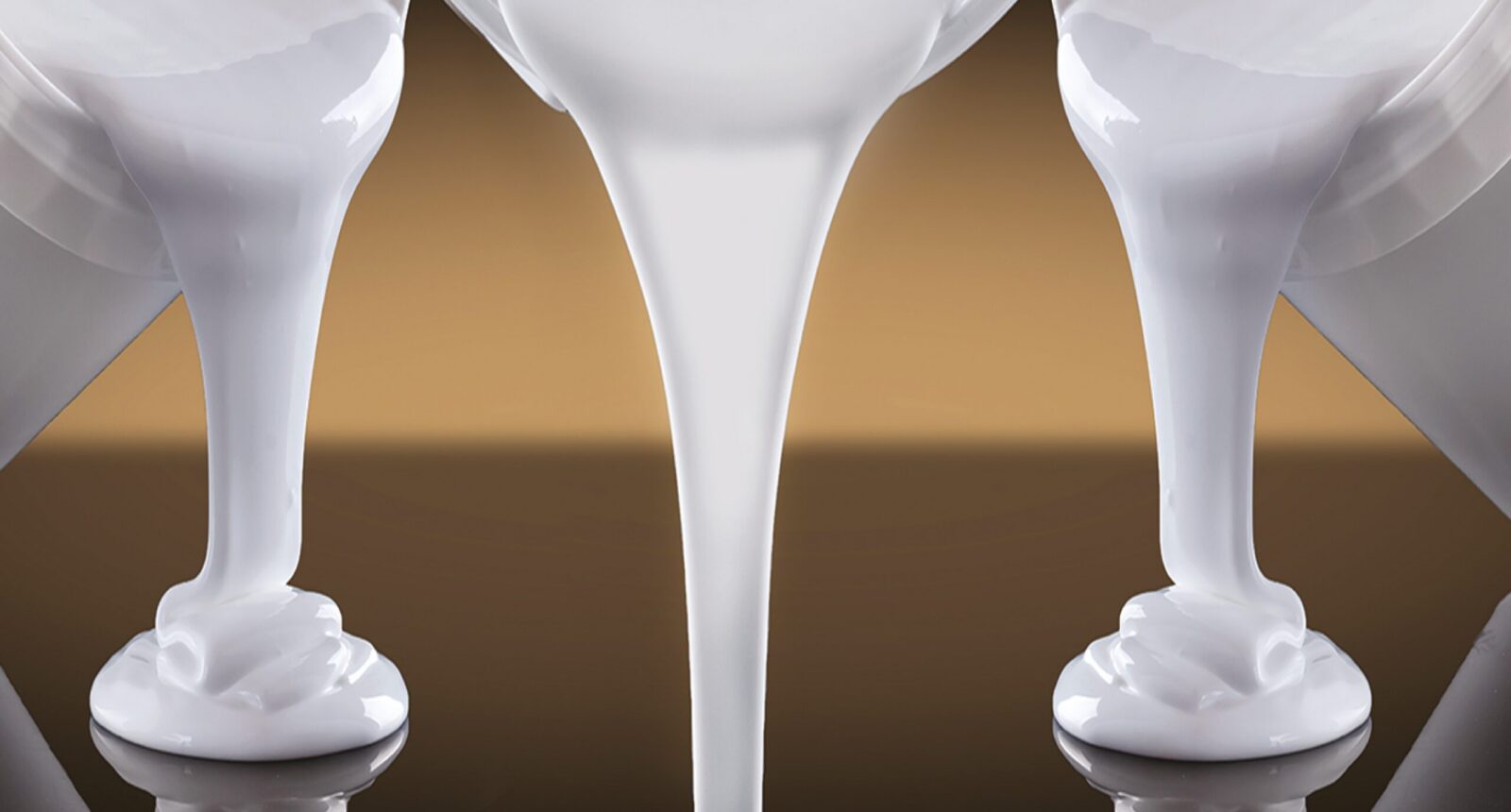
Technical properties of PVAC LUX-Х adhesive
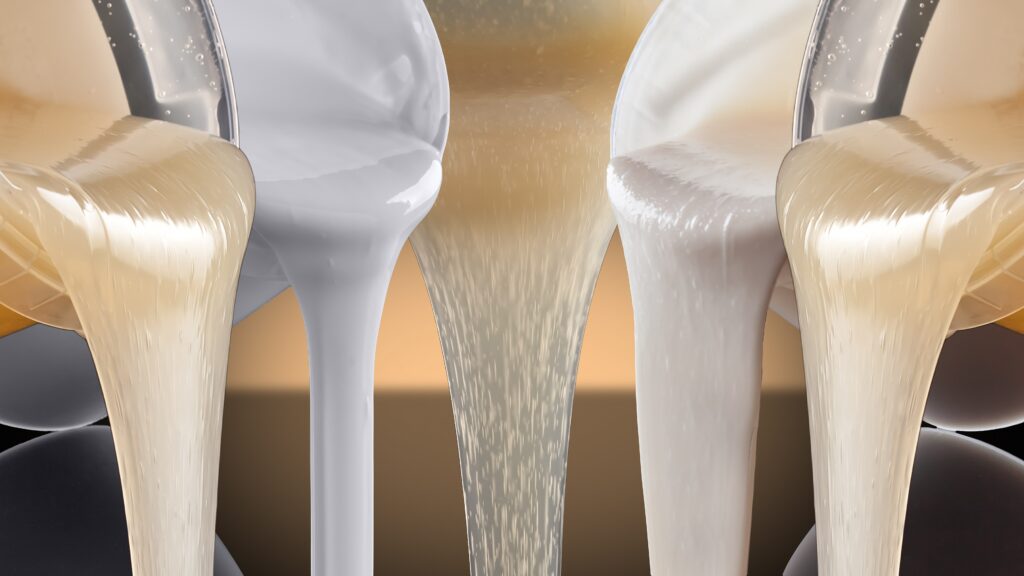
- A white viscous fluid that creates a translucent adhesive film when it has setted completely.
- Top-notch adhesive properties.
- The adhesive binding is resistant to the action of external factors.
- Non-toxic, environmentally friendly, and therefore safe for the environment and human health.
- PVAC warranty shelf life – one year fromthe date of production.
Apart from PVAC adhesives, SPE LUX-Х LLC also offers PVAC dispersion. This product has properties close to those of PVAC adhesives, though it is distinguished by the following:
- Unique adhesion to many materials.
- Quick setting and, following complete setting, its appearance is that of a translucent film.
- Glues materials strongly due to better penetration into the fabric.
- Non-toxic and safe for human health.
- Used for both manual and mechanized applications.
But the most suitable adhesive, which is better for gluing fabrics, is a special-purpose textile adhesive.
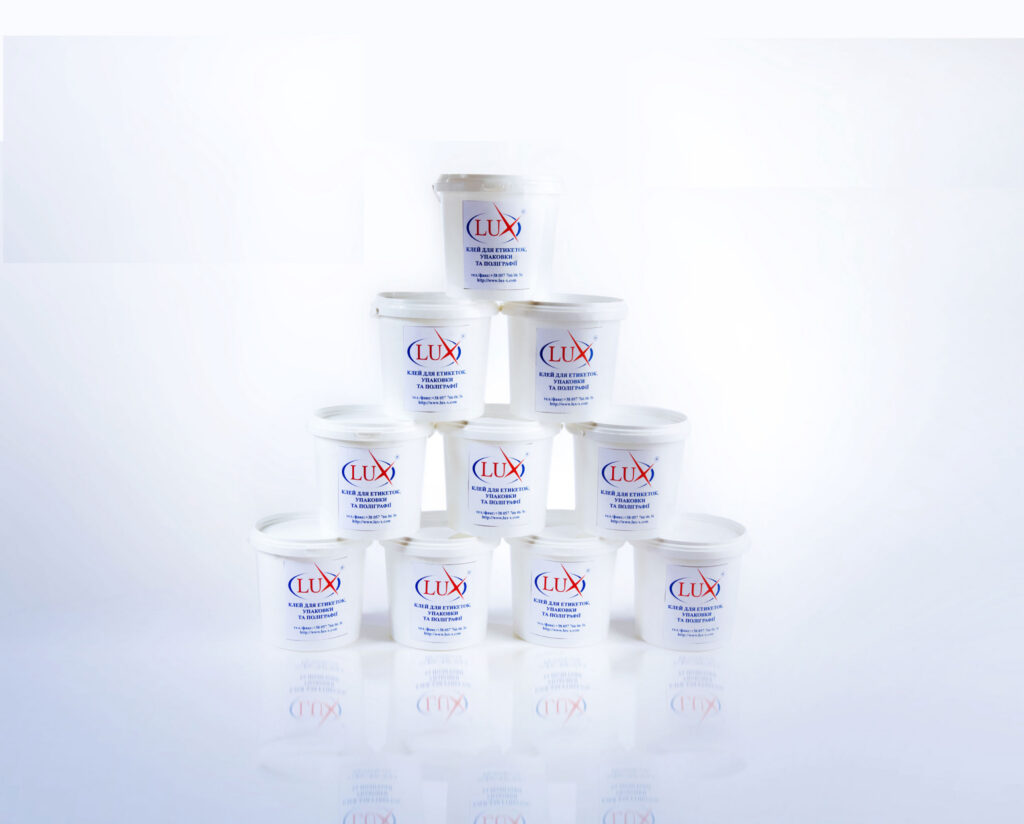
The adhesive for fabrics made by SPE LUX-Х LLC can be used for gluing together two materials or fabric to another backing. These adhesives are a ready-to-use product.
Properties of Lux adhesives when working with fabrics
- Create elastic, transparent, high-strength glued seams. They do not bloom to the surface and turn yellow!
- Extraordinary adhesionto different textile materials.
- Contain a high concentration of the basic substance.
- Contain no toxic filling compounds.
- The adhesive bond is resistant to the action of external factors.
To make working with fabrics easier and to impart additional properties to the materials that improve product appearance, textile industry personnel use apprets.
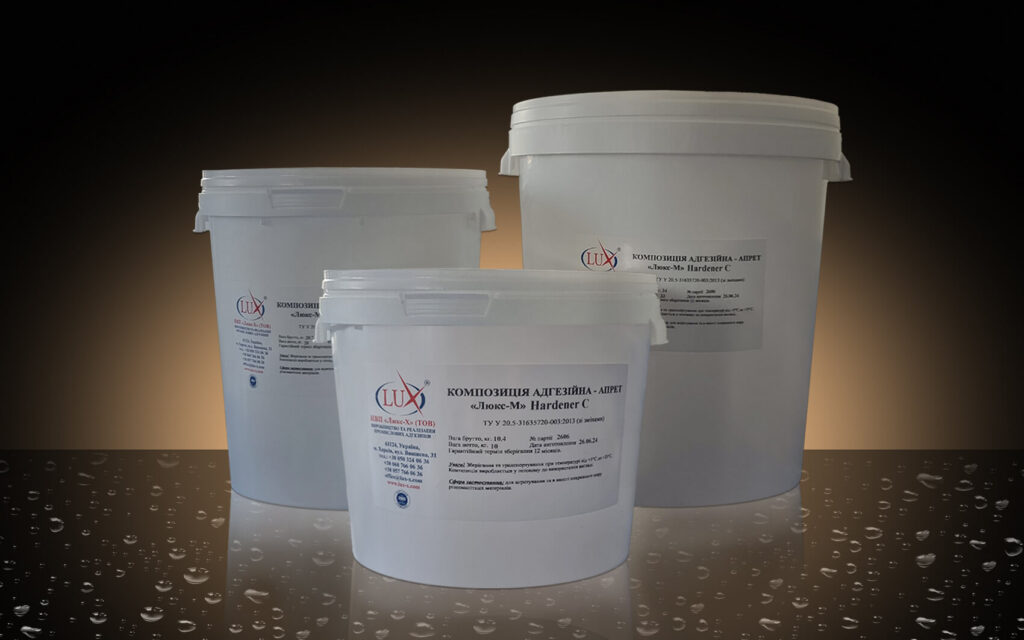
LUX-M brand appret for improving fabric properties
The appret produced by LUX-X LLC is an adhesive composition used as a binder when nonwoven materials are made. It is also used as a priming coat in imitation fur forsecuring the pile.
Appret imparts additional properties to textile materials:
- Crumpling resistance
- Dimensional stability
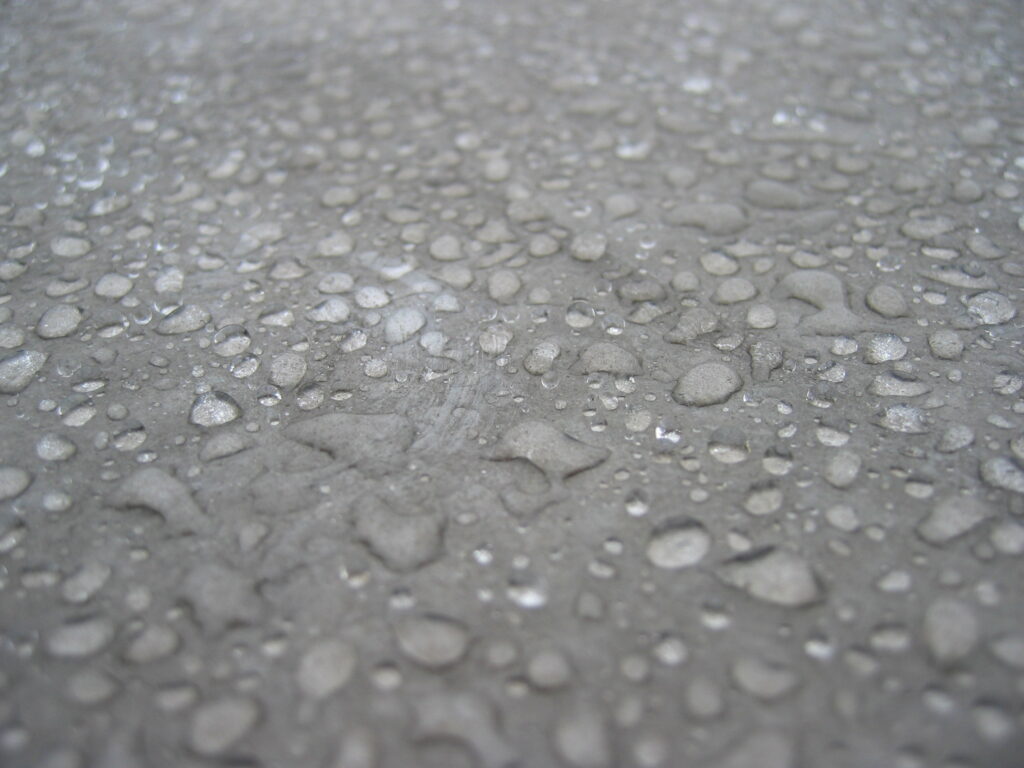
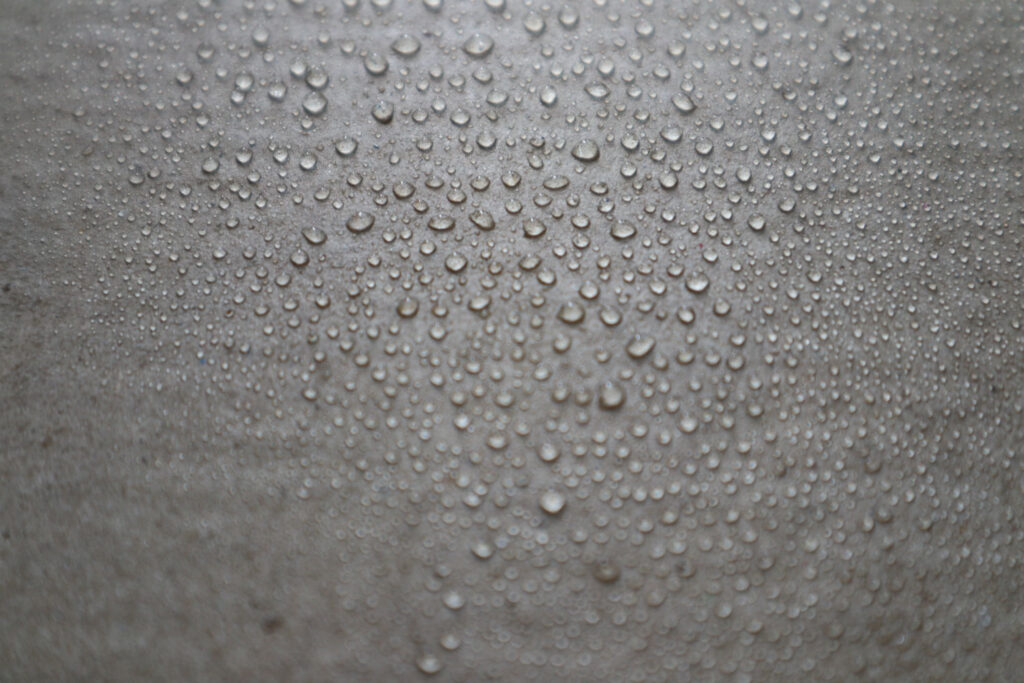
- Water repellency
- Tearing resistance and durability
- Antistatic properties.
SPE LUX-X LLC takes into account clients’ wishes and interests and produces custom-made apprets featuring water repellency, fire resistance, and other properties.

Safety of using adhesives for fabrics
If we talk about adhesives manufactured by Lux-X, which can be used to glue fabrics or impregnate them to improve their properties, be sure that these products are completely safe for the environment and human health. Our adhesives do not cause allergic reactions when contacting skin, they do not have a specific pungent odour, and do not contain toxic components, so they can be used without PPE on. However, if you have too sensitive skin and are prone to allergic reactions, you should better avoid direct contact of the adhesive with the skin and wear gloves when applying adhesives.
Common mistakes when gluing fabric and how to avoid them
- Wrong choice of an adhesive. This is one of the common mistakes that lead to failure. Be sure to take into consideration the type and properties of the material you use in order to choose the proper adhesive, and always consult with the seller to buy the best adhesive for your fabric, and read the technical description provided by the manufacturer.
- Poor adhesion. One of the reasons of poor adhesion is poor preparation of the fabric, such as the presence of dirt on it. Besides, the type of the adhesive, its setting time and the thickness of its layer are also important. If you apply too much adhesive, it may diminish the adhesion properties, and if you start using the product before it dries up completely, the adhesive seam may come apart.
- Adhesive stains. They commonly show up when you apply too much adhesive. You may use oil, soapy water, vinegar solution, steam, freezing to remove them. There are many methods of removing stains depending on the type of fabric and adhesive. Please read this article about removing stains from the fabric to get more detailed information.
If you have any questions or want to place your order, please contact us using any convenient contact options.

Why is it worth choosing an SPE LUX-X LLC adhesive for fabrics?
The proper choice of an adhesive has an impact on not only the aesthetic appearance of a finished product but also on how fast and straightforward the production process will be.
SPE LUX-X LLC adhesives are environmentally friendly and safe for the environment because they are produced in compliance with International Quality Standards ISO 9001:2015.
To achieve an effective result, SPE LUX-X LLC offers professional advice on application of adhesives and assistance of specialists for testing commercial adhesives at an enterprise.
An adhesive can be purchased directly from SPE LUX-X LLC at optimal prices. An order for an adhesive can be placed by telephones indicated on the company’s website or by the feedback button.
More information on adhesives for fabrics and apprets can be found at the link