D-Limonene cleaner for equipment

D-Limonene cleaner for equipment

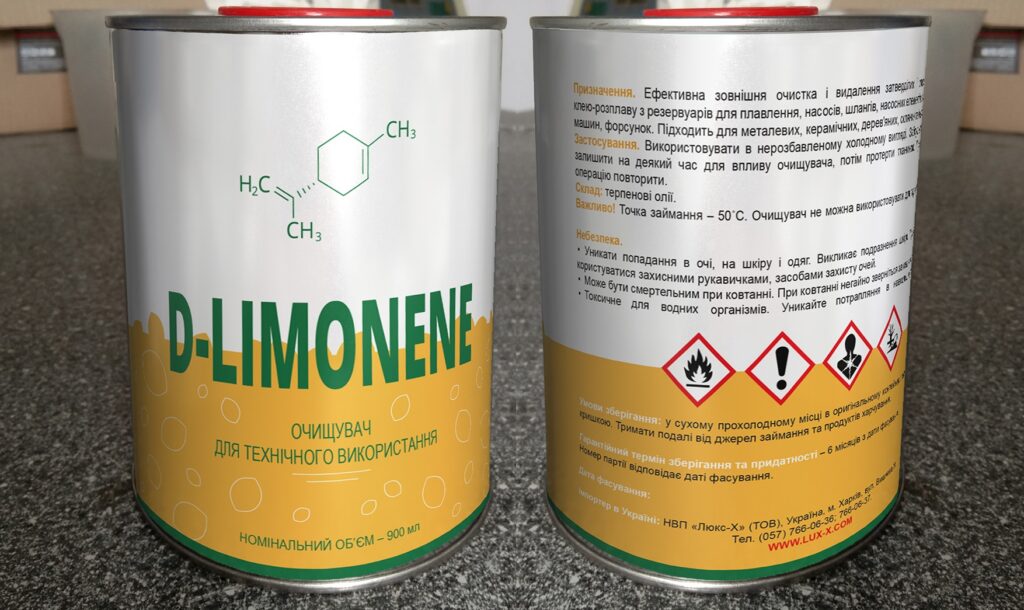
Lux-X LLC is extending its range of cleaning agents for equipment and technical use. It offers its buyers the D-Limonene cleaner that has perfectly well demonstrated its fine qualities at major industrial enterprises.

D-Limonene is a colorless liquid with a citrus odor. It is a constituent of essential oils found in citrus plants. It dissolves fats well and therefore is an alternative to such solvents as alcohol and acetone. The cleaner contains terpene oil.

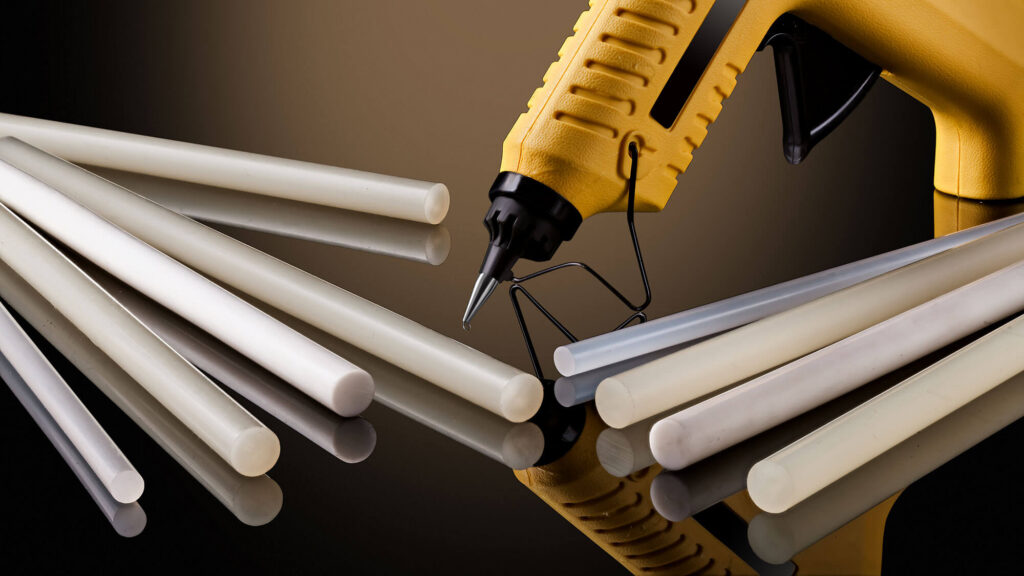
The cleaner is intended for effective external cleaning and removal of solidified and gummed up residue of hot melt adhesives and deposits from the surfaces of bonded assemblies and equipment. It is used for cleaning the parts of nozzles, filters and spraying cones. The cleaner can be used for removing adhesive residue from metal, ceramic, glass, wooden and other surfaces.

D-Limonene cleaner dissolves a hot melt adhesive applied as a 100-200 µm layer in about 4-5 seconds!

De-Limonene

Physico-chemical properties and characteristics of D-Limonene

The hot-melt adhesive cleaner offered by LUX-X is a colorless substance with an oily consistency that may have a yellowish tint. Since the product consists of terpene oil, it does not mix with or dissolve in water. If it is necessary to combine D-Limonene with water, an emulsifier must be used – as a rule, this method is used in the production of combined cleaning products. 

Limonene is a hydrocarbon from the terpene group. 

Main properties of Limonene: 

  • the substance is flammable, ignites at a temperature of 50 °C, so it is prohibited to work with it near an open fire source; 
  • self-ignition is possible at a temperature of 200 °C; 
  • specific gravity at 20 °C – 0.842; 
  • degree of safety – adhesive remover liquid is toxic to aquatic organisms, so it should not be discharged into bodies of water. 

Important: hot melt adhesive solvent causes irritation if it comes into contact with the skin and mucous membranes in its pure form, so when working with it you must use personal protective equipment. The substance must be stored out of the reach of children.

Application

D-Limonene should always be used in an undiluted cold condition. The cleaner can be sprayed or applied mechanically onto the surface to be cleaned. Wet the dirty surface and keep it so for some time for the cleaning agent to take effect, and then wipe the surface with a cloth. If required, repeat the operation.

The cleaning agent can be used to wet hard-to-access parts of a mechanism fouled with an adhesive or a deposit. The cleaner can be used repeatedly after its application by filtering it through a fine gauze.

Cleaning systems for application of a hot melt adhesive

  1. For best effectiveness, keep metal parts in the cleaner for some time.
  2. If nozzles are clogged, remove them and keep in the cleaner, and install spare clean nozzles instead of the removed ones.
  3. Scheduled cleaning of nozzles and other parts can be done along with the cleaning and washing of equipment for applying the hot melt adhesive, for instance, when shutting down the system for maintenance.
  4. If desired, nozzles can be removed and cleaned regularly, with spare nozzles being installed instead. This can be done every time when an excessive hot melt adhesive deposit accumulates on the nozzles.
  5. It is recommended to remove the filter cassettes regularly, once every 3-4 weeks, immerse them in the cleaner and replace with clean spare filters. After the removed filter has been cleaned, it can be used next time as a spare one.

These recommendations are given to ensure smooth operation of the system for hot melt adhesive application, and they should be observed together with all other recommended procedures.

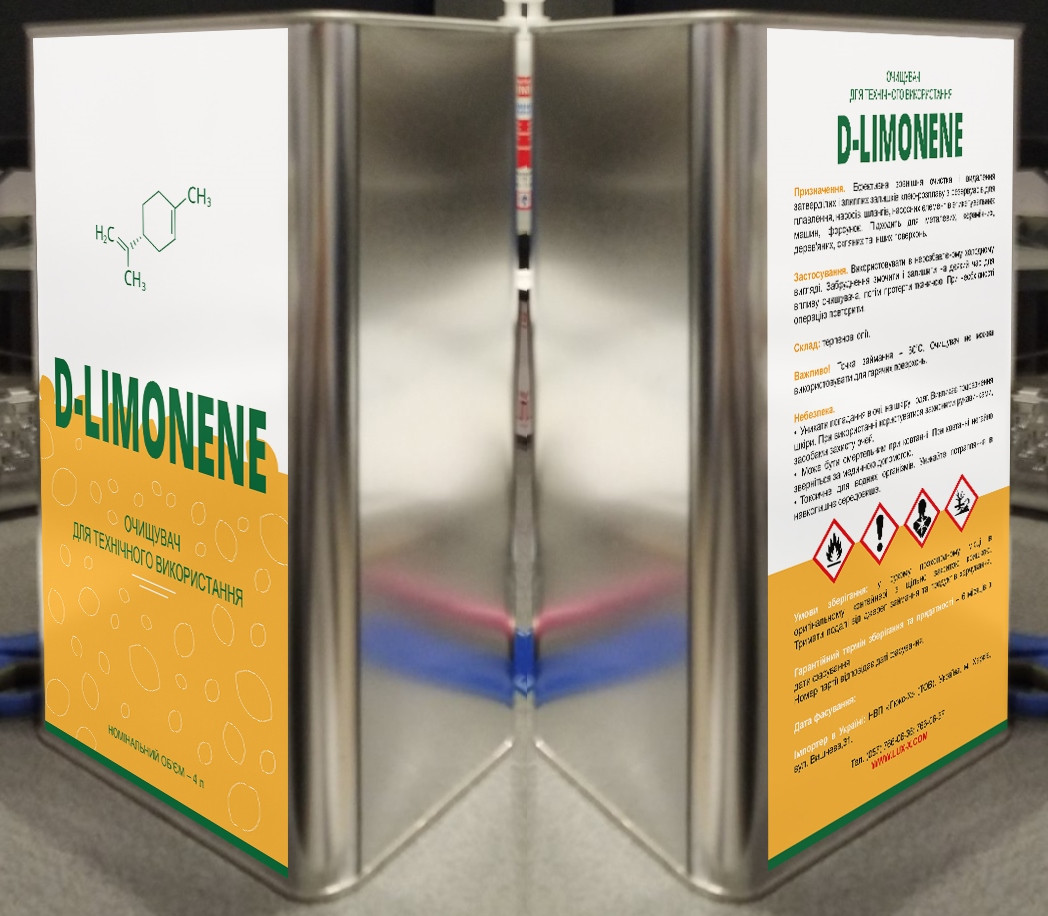
Очищення систем нанесення термоклею

How else is adhesive cleaner used?

Limonene is a multifunctional substance; its scope of application is very wide. He can play the role: 

  • how alternatives to benzene, acetone, xylene, toluene, white spirit – in this case, Limonene cleaner will be safer and more environmentally friendly; 
  • a component of perfume compositions – it is used as a fragrance for aromatizing household chemicals, for example, dishwashing liquids (it gives a citrus aroma); 
  • cleaning agent in production – a solvent for removing glue copes with resins, waxes, fats, oil industry products, varnishes; 
  • degreaser – due to its ability to dissolve fat, hot melt adhesive remover Limonene is used to treat various surfaces before painting; 
  • substances to remove traces of stickers or chewing gum; 
  • component of insecticides and repellents – insect control products containing it are successfully used for people and pets. 

For Limonene, the price depends on the volume of the container and the total order quantity; we sell the substance in containers from 900 ml to 200 liters – detailed information can be obtained from the manager. You can buy D-Limonene in bulk at LUX-X, delivery of goods is carried out by transport companies throughout Ukraine, and payment is made to a bank account, which we will send to you by email after confirming the order.

Storage recommendations

Keep in a dry cool place in the original container with a tightly closed cap away from ignition sources and food products. The warranty storage term is 6 months from the packaging date.

Buy the equipment cleaner

To buy D-Limonene equipment cleaner from the importer in Ukraine – LUX-X LLC, click on the “Order” button or call by telephone +38 (057) 766 06 36. Our managers will contact you as soon as possible.

Olena Skotarenko

Author of the article:

Olena Skotarenko

<p>Marketing Director of the <span class="text-no-wrap">SPE «LUX-X» (LLC)</span></p>

Number of articles: 44

Articles you might like

Vinyl and non-woven wallpaper: application rules of glue

Vinyl and non-woven wallpaper: application rules of glue

A big number of diverse materials for interior and exterior decoration of premises appear on the shelves of building centers every year, meanwhile, an assortment of construction materials for repair work has been rapidly increasing.

Read article
How to use a hot glue gun

How to use a hot glue gun

The hot glue gun is a tool used for gluing parts with the help of hot melt glue sticks. The hand-held hot glue gun softens the glue, doses it and applies onto a surface. Such a tool is simple and convenient to use.

Read article
Storing «Lux» adhesives in winter time

Storing «Lux» adhesives in winter time

Dear customers, Scientific and production enterprise “Lux-X” LLC, the largest producer and supplier of industrial adhesives in Ukraine, would like you to pay attention to storage, transportation, handling, application conditions in cold weather. In winter time dispersion adhesives can be delivered only by specially equipped transport, that's why we are asking you to place the orders for shipment of adhesives in advance.

Read article
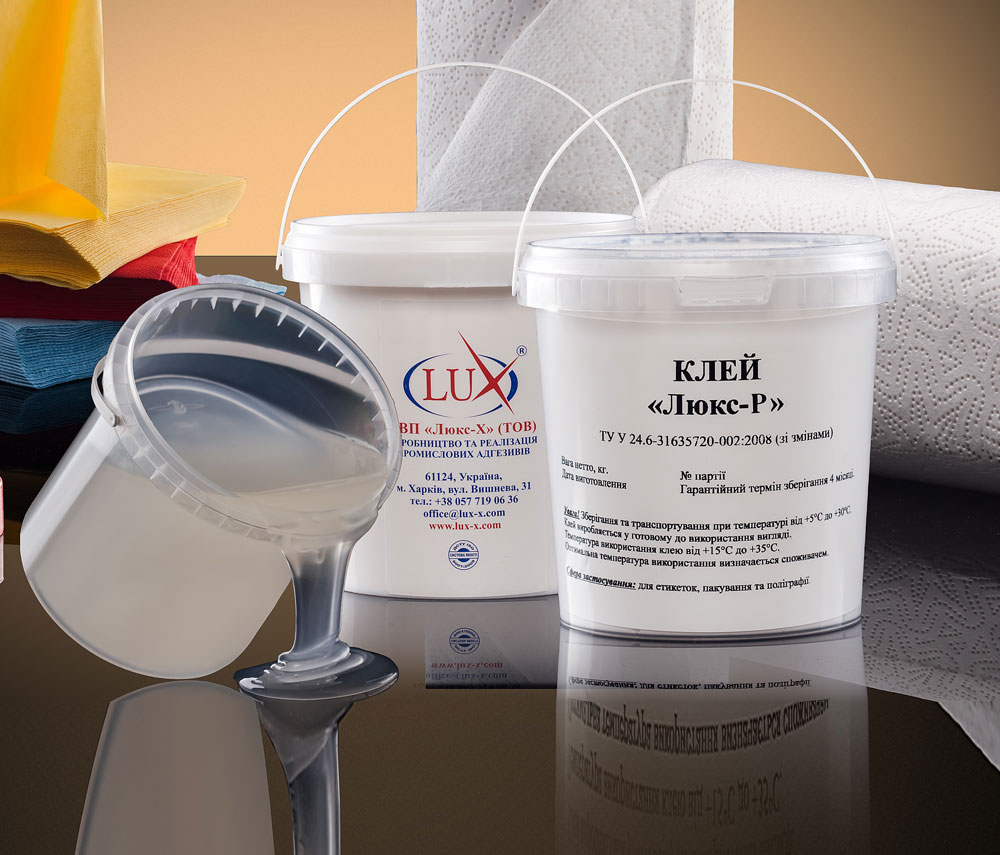
Types of wood glue. Principles of the right choice

Types of wood glue. Principles of the right choice

Not only ordinary people but professionals often arise a question: which wood glue is best suited for efficient bonding of substrates? To find out what types of glue with their basic characteristics and properties exist, we have prepared this article.
Read article
Glue Sticks: Types, Applications, and Selection Tips

Glue Sticks: Types, Applications, and Selection Tips

Adhesive rods are used in many industries as part of the process of manufacturing and assembling products. In addition, rods are used in everyday life. In decorative arts there is nothing more universal than gluing with a hot glue gun.
Read article
Polyvinyl acetate emulsion: application areas

Polyvinyl acetate emulsion: application areas

PVAc dispersion is polymerized vinyl acetate in water. The widely used PVAc adhesive is produced based on polyvinyl acetate dispersion, plasticizers and other additives. Often PVAc dispersion is called a polyvinyl acetate emulsion.

Read article
Packaging Trends in the Brewery Industry

Packaging Trends in the Brewery Industry

The latest packaging trends for breweries filling glass bottles emphasize sustainability, innovation, and efficiency while maintaining product freshness and enhancing visual appeal.

Read article
How to properly store, apply and dispose of industrial adhesives?

How to properly store, apply and dispose of industrial adhesives?

We are frequently asked about the shelf life of our adhesives, since any raw material has its own use and storage warranty period. Today we will tell you about the recommended storage duration, rules of transportation and disposal of our products: synthetic, semi-synthetic, natural dispersion adhesives, PVAc and hot-melt adhesives. 

Read article
Adhesion and possible problems

Adhesion and possible problems

When bonding any material, regardless of the type of adhesive, the result is important, i.e. the strength of the adhesive line, its resistance to various external influences and its durability. This is due to the adhesive property.

Read article
Concrete impregnation agents: their definition, types and purpose

Concrete impregnation agents: their definition, types and purpose

Concrete is one of the most durable construction materials, which is why it is used to construct military and civilian structures, including shelters, industrial, commercial, administrative buildings, infrastructure, warehouses and residential buildings.

Read article
How to dilute PVAc adhesives: tips to restore their consistency

How to dilute PVAc adhesives: tips to restore their consistency

PVAс glue is considered to be the most famous adhesive for use in everyday life. Schoolchildren and their parents are familiar with PVAс glue mixtures as the best assistant for crafts made of paper, wood and cardboard.

Read article
PVAC adhesive: an all-purpose glue and why is it still popular?

PVAC adhesive: an all-purpose glue and why is it still popular?

PVAC adhesive is one of the best-known and widely used adhesives in the world. Two chemists invented PVAC at the same time: a German and a Korean scientist who worked on the future product separately and in different laboratories.

Read article
What kind of adhesive to use for gluing fabrics?

What kind of adhesive to use for gluing fabrics?

The demand for textile industry products is increasing from year to year. In this skilled trade, it is essential that the products be neat, have an aesthetic appearance, and hold their shape and color after each washing. Hence, it is difficult to do without an adhesive in textile production because not all materials can be joined using a thread and needle.

Read article
Concrete Impregnating Agent: A Guarantee of Reliability and Resistance to Moisture of Civil and Military Structures

Concrete Impregnating Agent: A Guarantee of Reliability and Resistance to Moisture of Civil and Military Structures

Nowadays, civil and military construction cannot do without the building of various defensive structures and fortifications. Their main purpose is to ensure the safety of people and objects, to guarantee the functioning of infrastructure even in extreme conditions, while maintaining its comfortable conditions. That is why concrete is the most important material in civil and military construction.

Read article
PVAcglue’s drying rate for various surfaces

PVAcglue’s drying rate for various surfaces

One may wonder, what is the drying time of PVAc glue? The drying time hinges on the quality of glue and the materials the product is made of. This article will be helpful in finding out the drying time of PVAc glue on various surfaces.

Read article
What is used to glue paper and cardboard?

What is used to glue paper and cardboard?

Paper and cardboard are the most popular materials used in making cartons, packets, bags and other containers. An advantage of a paper package is its neat appearance and ecological safety.

Read article
Adhesives used in the production of paper towels and toilet paper

Adhesives used in the production of paper towels and toilet paper

When you think of products that are manufactured with the help of adhesives, the last thing that will come to your mind will be their use in the production of toilet paper, paper napkins or towels. However, adhesives are very important for hygiene products.

Read article
“Lux” brand water-repellent coating for corrugated board manufacturers

“Lux” brand water-repellent coating for corrugated board manufacturers

Scientific and Production Enterprise “Lux-X” (LLC) has presented a new product developed in its own scientific laboratory: The water-repellent coating used in the pulp and paper industry when corrugated board is produced.

Read article
Industrial glue: types, features, composition, application

Industrial glue: types, features, composition, application

In industry, glue began to be massively used with the advent of the first factories. Then adhesives of natural origin were in demand. In the war years, to meet the needs of the army, synthetic adhesives appeared, with which metal, leather, wood, rubber and other materials were bonded.

Read article
Merry Christmas and Happy New Year 2025 !

Merry Christmas and Happy New Year 2025 !

Dear partners and friends! Please accept our sincere congratulations Merry Christmas and Happy New Year 2025!

Read article

Please wait...

We are preparing a reliable adhesive joint.