
What is casein glue and what is it needed for
Casein glue is considered one of the oldest among adhesives. To date it is unknown when this glue came into practice. But archaeological excavations demonstrate that prehistoric people used animal glue in their activities. Commercial-scale production of casein glue was launched after the first industrial plant started operating in The Netherlands. Due to good adhesive properties, casein glue can be used to bond many different materials. Natural glue was used everywhere for long until it started to yield to synthetic polymers.

Natural polymer adhesives, or bioadhesives, are products made from animal and vegetable materials. Despite the fact that since the middle of the 20th century natural glues have been gradually replaced by synthetic glues, some natural adhesives are still used effectively in woodworking, printing, packaging, and particularly in furniture production, for bonding labels on containers, as well as book bindings, boxes, etc. In addition, thanks to various environmental standards, natural adhesives obtained from renewable resources are again gaining attention.
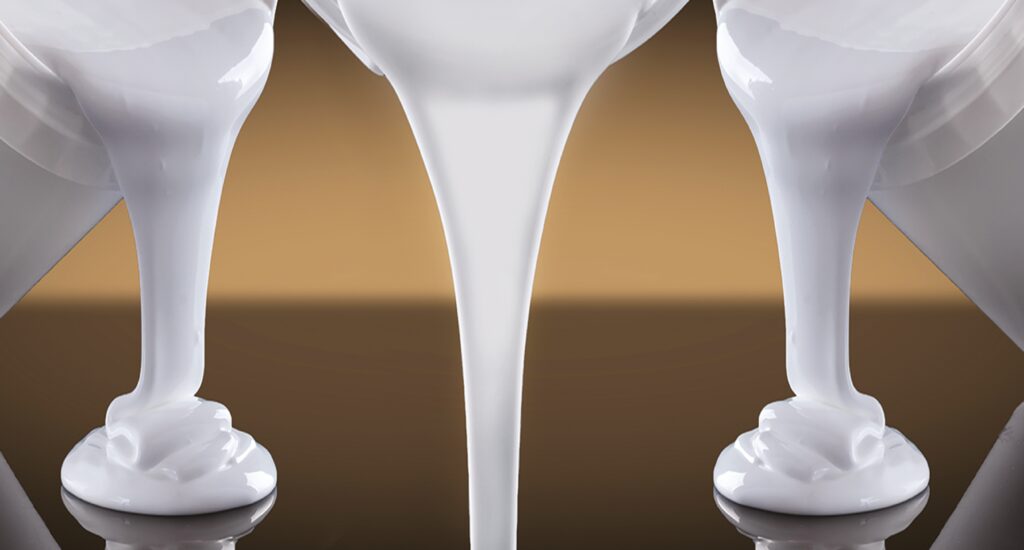
The most popular and commonly used glue based on natural raw materials is casein. Casein glue is a product obtained by dissolving casein, a protein obtained from milk, in an aqueous solution. Casein is not only used to improve adhesion characteristics in glues; it can be added to paints and various coatings. Its most attractive features are high adhesion strength and initial grab and tack.
What is casein glue
Casein glue is an adhesive containing animal protein. Casein is produced by milk setting. It is produced at specialized dairy plants. Commercial-grade glue is made of acid casein with high adhesiveness.
What does casein glue bond
Casein glue is used in many industrial areas, such as woodworking, furniture making, the chemical industry, printing, packaging and the building industry.
Casein glue is a general-purpose environmentally green polymer. Casein glue in building and construction work is used to prepare mixes for finishing jobs. The adhesive is added to the compounds of spackling paste, enamels and emulsions. However, casein glue became most popular in the woodworking and packaging industries for making plywood and labelling.
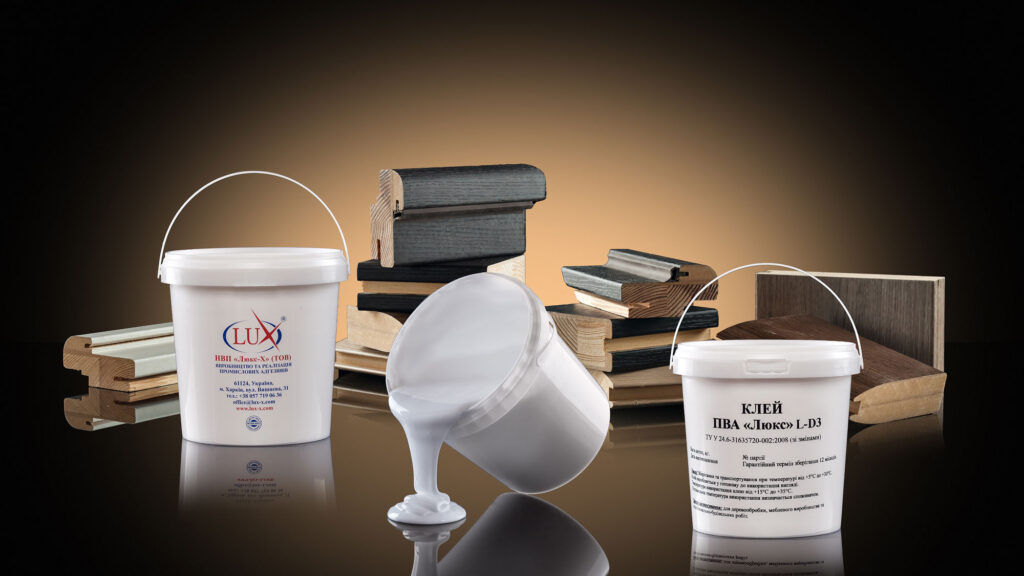
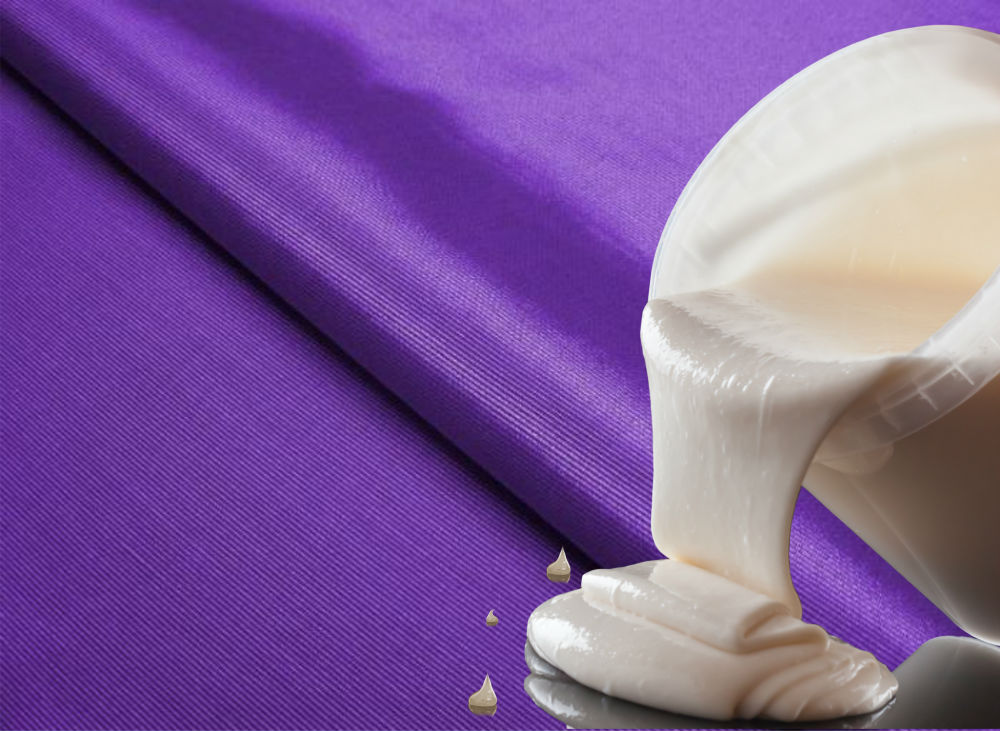
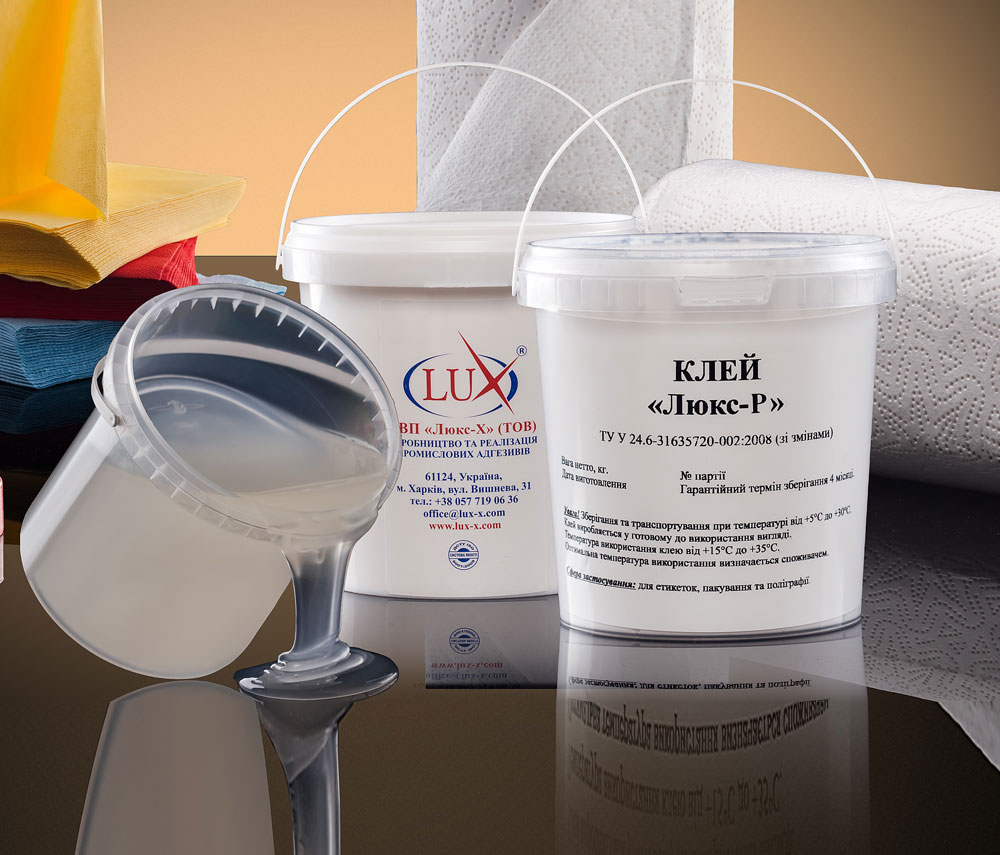
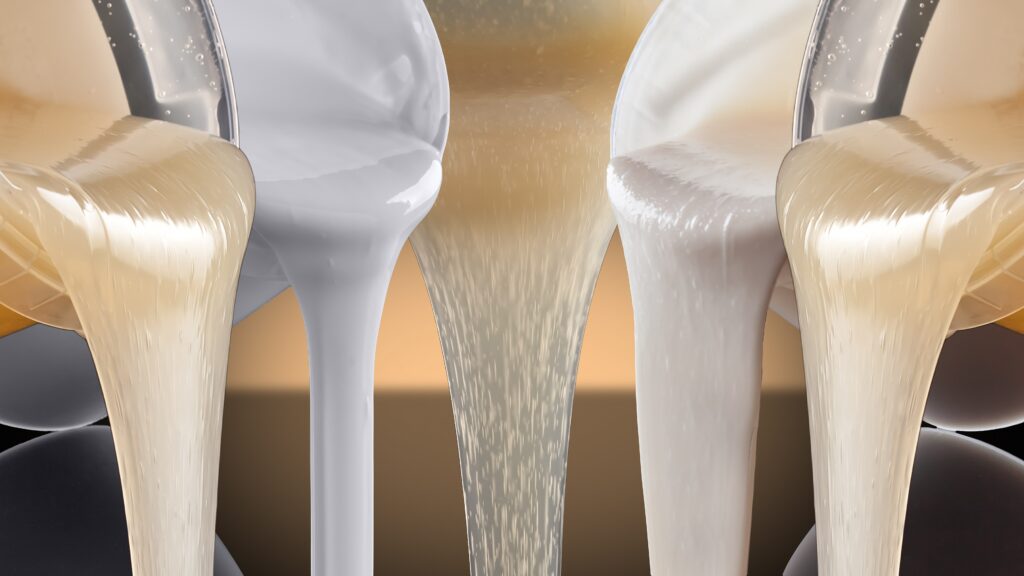
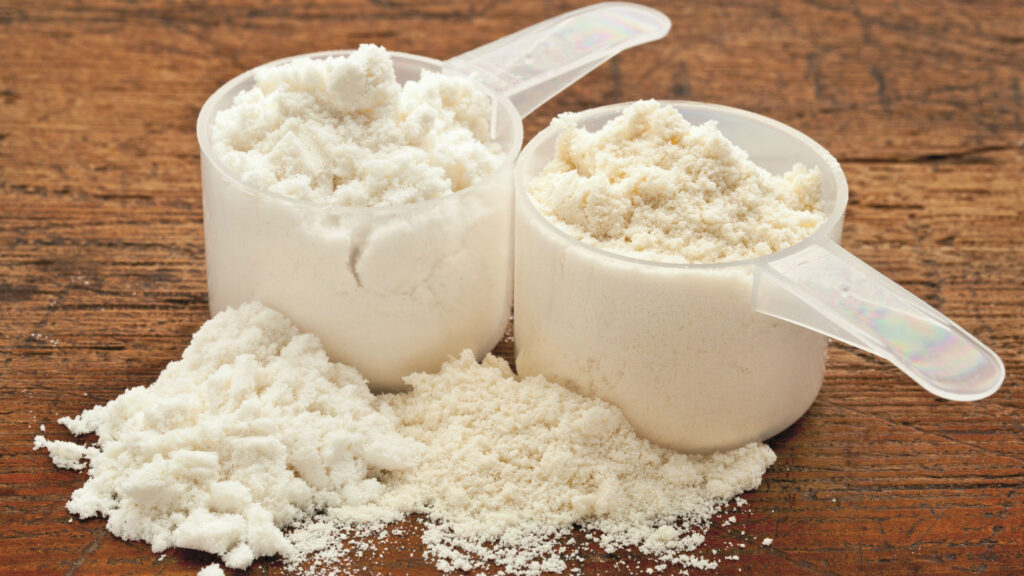
Casein glue is produced as a powder and in a ready-to-use liquid form. The dry mix is diluted with water and applied onto a surface. The product composition already includes all the requisite components to make the gluing of materials easier.
Due to the glue’s natural origin, producers can use the “Green Product” symbol.
For what other things is casein glue needed?
Casein glue is often used for gluing labels onto containers. In this case, the adhesive’s role is secure retaining of a label, back label, neck label and other additional labeling elements.
It is critical that the glue does not show on the container and alter label properties. The label should not fade and discolor under the effect of the glue to keep the products on the shelf looking neat and attractive.
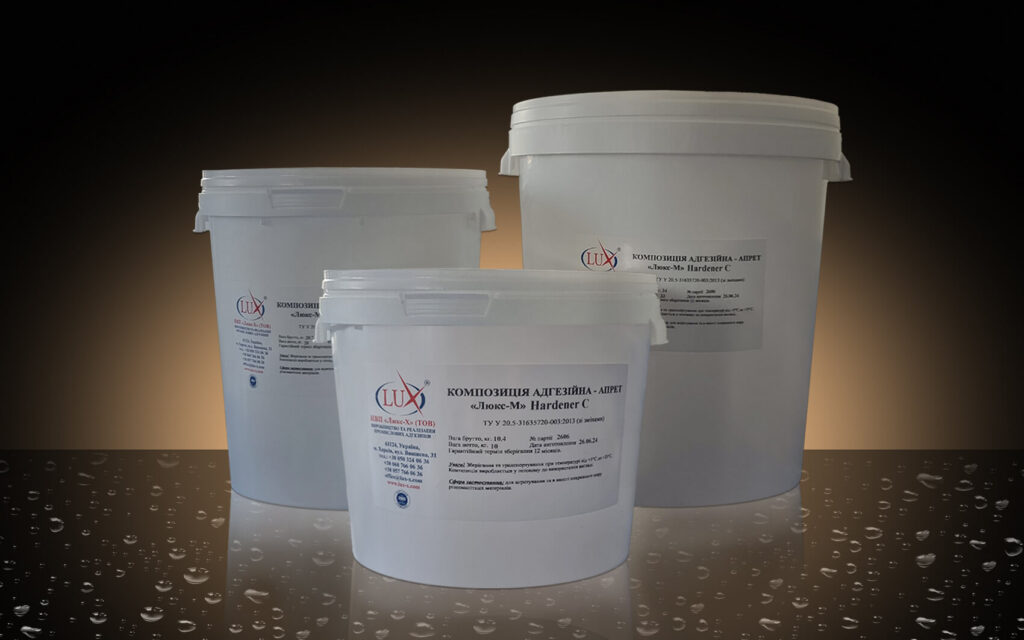
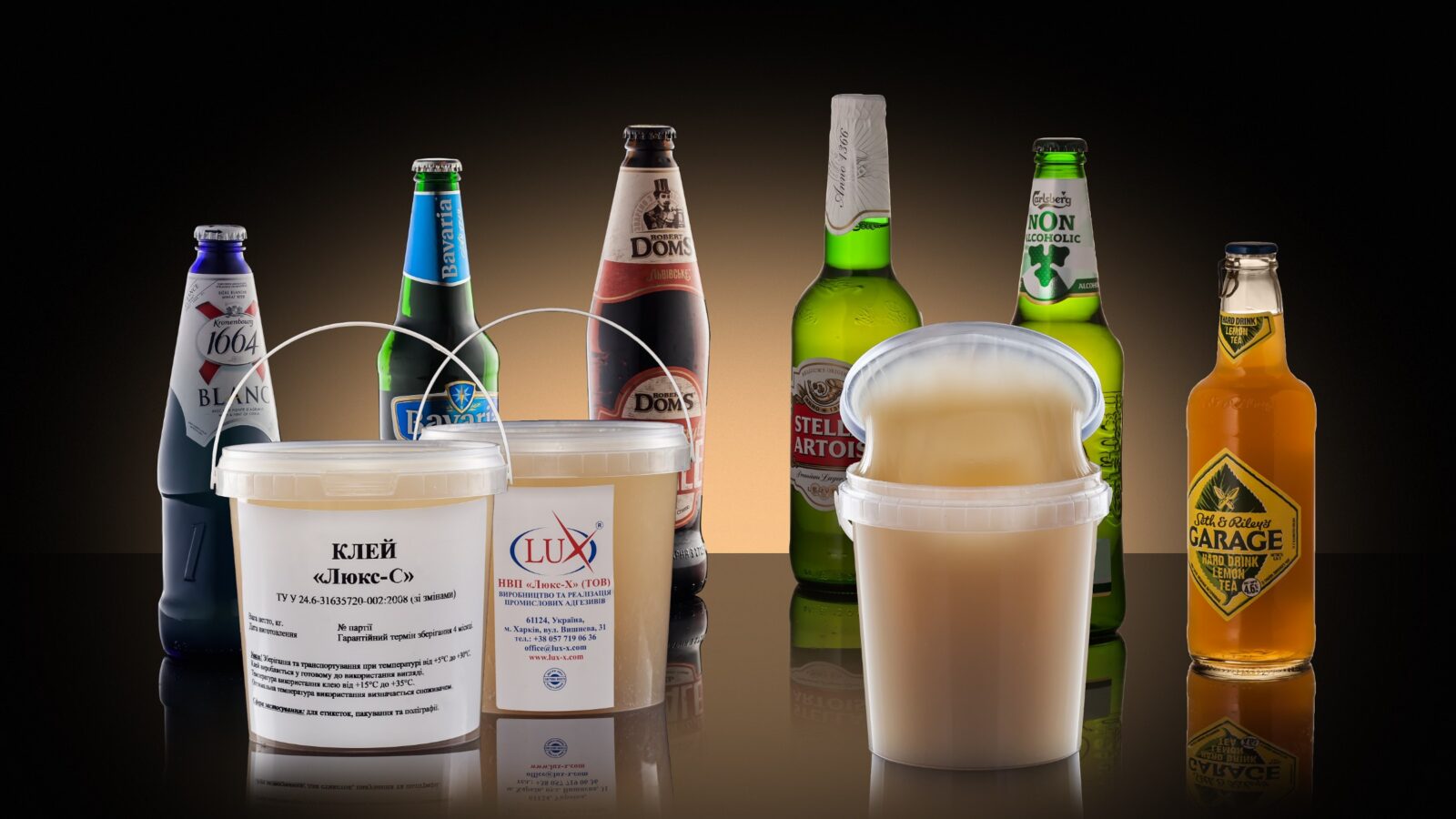
For labeling, Lux LLC offers a line of “Lux-C” casein glues. The adhesives are capable of working effectively even with an intricate paper metalized label and a neck label with a changed configuration at high equipment operating speeds. “Lux-C” is a water-soluble glue based on natural polymers, and stabilizing and preserving agents. The products of this group are non-toxic, environmentally safe and are therefore allowed for use in all food industry segments.

Application of casein glue
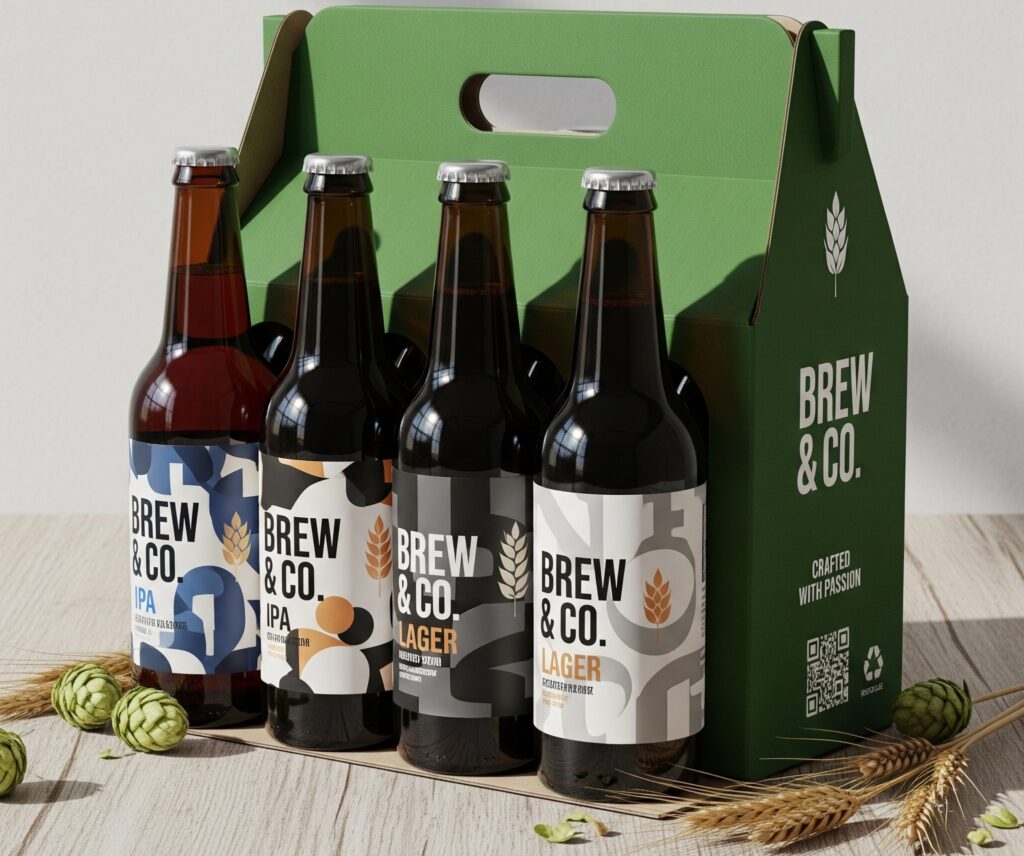
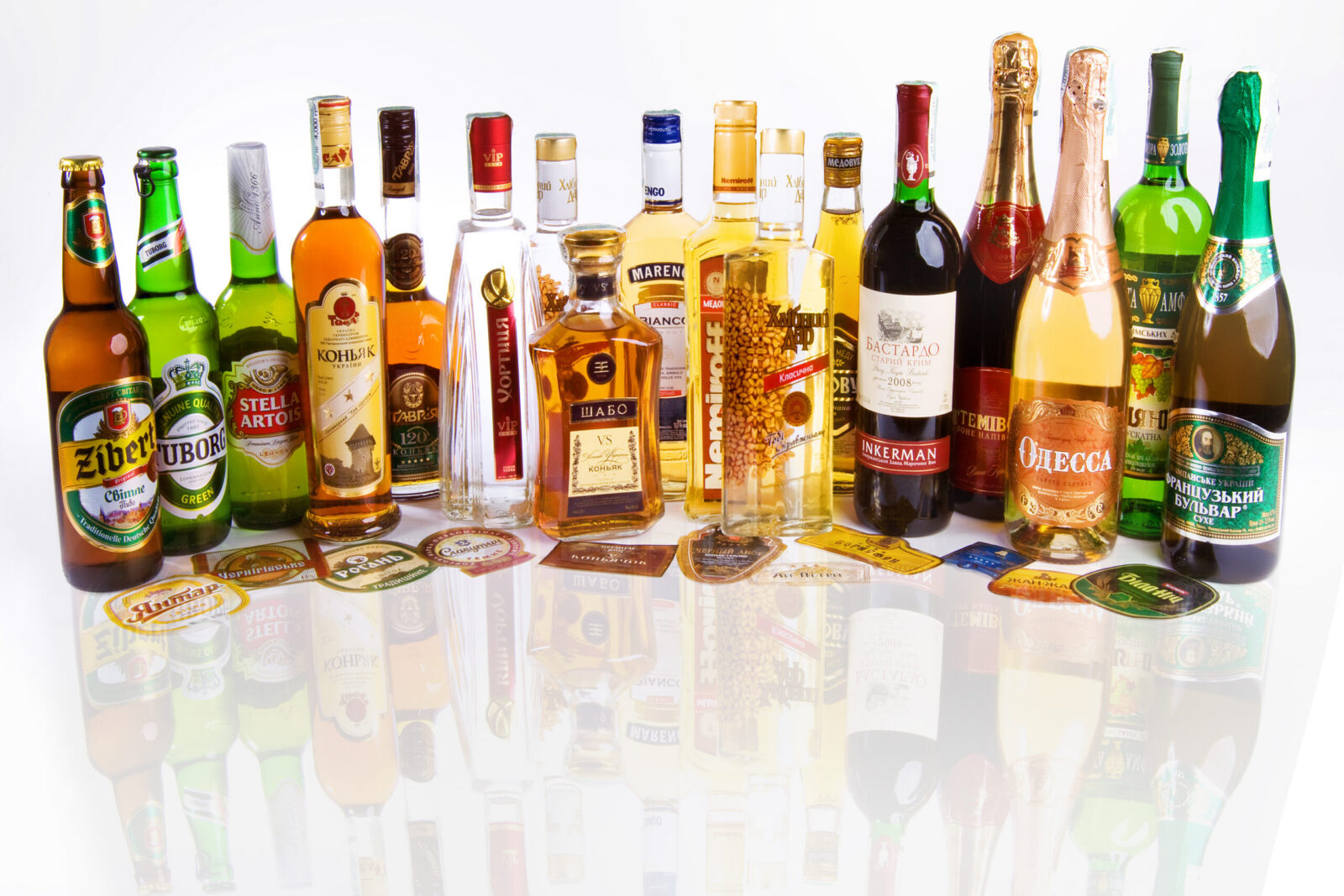
- The most common application is for labelling beer bottles, since casein glue is particularly resistant to immersion in cold water and easily removed when washing recycled glass containers.
- The adhesive label can be paper, metallized or aluminium foil.
- It is used for labelling of glass containers in the production of sauces, juices, canned goods and the bottling of water.
- When bonding documentary stamps on alcoholic beverage caps up to 32 mm long.
- When bonding overlapping labels on tin containers, packing canned food or paint and varnish products, on thermoplastic containers in the production of carbonated beverages, drinking water or household chemicals, etc.
Properties casein glue “Lux” for labelling
- Permits working with equipment at a speed of up to 70 000 bottles per hour;
- Excellent adhesion characteristics and a high setting rate;
- The glue can be applied as a thin layer onto a surface, making its consumption economical;
- A label stuck on with casein glue is very resistant to slipping;
- Satisfactory wash off of glue residue on returnable containers;
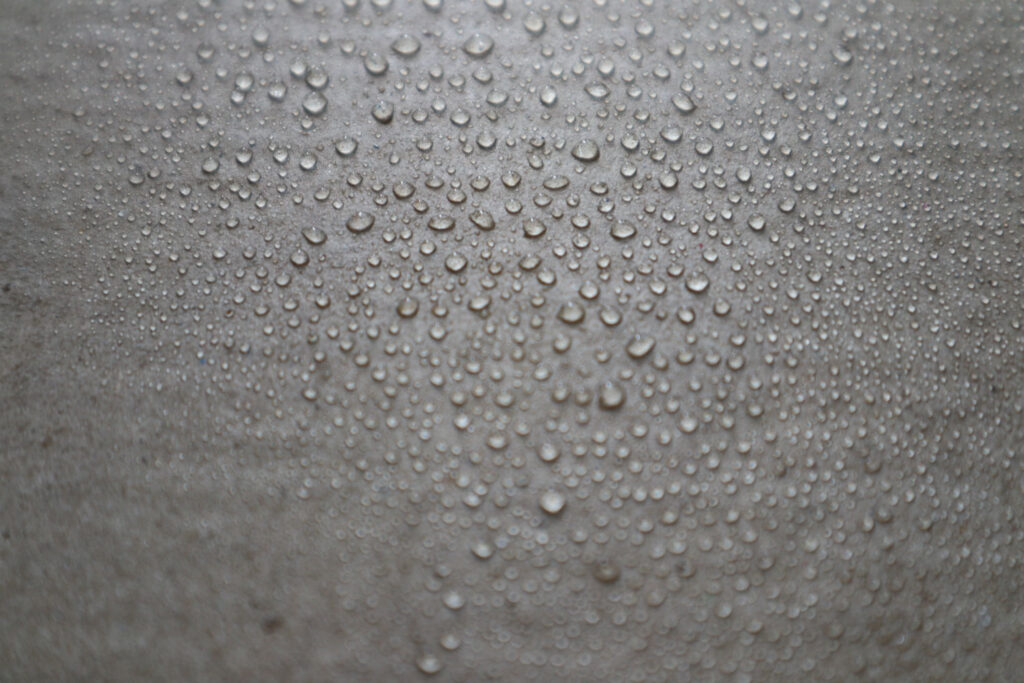
- High resistance to condensate on a bottle.
Glue resistance to condensation is especially crucial during the summer period when products are labeled. In the hot season the air temperature is higher than the product filling temperature and this difference makes condensate appear on the bottle. Due to this, the glue fails to dry in time and the label can come off.
It is worth mentioning that the Lux-X nomenclature of products has a special product for labeling beer containers and champagne. This is the so-called IWR adhesive, which is resistant to “ice-cold” water. This means that when a bottle is dipped into water at about 5 ºС for several days the glue does not swell and keeps the label in place. Just as important is that this product can be readily washed off returnable containers in a bottle-washing machine. Such an adhesive is economical in consumption and effective when operating at high speeds.
“Lux-C” line glues are intended for working with equipment, but also can be applied by hand onto a surface. With application by hand, it is advisable to choose a low-viscosity glue.
Advantages of casein glue in labeling
- Provides uninterrupted production processes on filling lines.
- Excellent washability of reusable packaging where the label and glue are well removed.
- In bottle washing machines it does not form insoluble compounds in the cleaning solution and does not foam the solution due to the presence of adhesive residues.
- Ecological, does not cause irritation or allergic reactions.
- Works well on low and high-speed labelling machines.
- Excellent adhesion to wet and cold containers and is resistant to condensation.
- Resistant to atmospheric changes including fluctuations in temperature, humidity, exposure to sunlight, etc.
- Does not cause damage to equipment parts and it does not oxidize.
- Affordable.
- Provides an ideal appearance of the glued product.
Advice for casein glue use
- Use casein glue with an automatic labeling machine with a line speed of up to 70 000 bottles/hour.
- Labels can be stuck onto dry and hot containers at up to 70 °С and onto wet and cold ones at as low as 4 °C
- Sticking labels with overlapping onto PET and stiff containers.
- Do not mix casein glue with starch or semisynthetic adhesives.
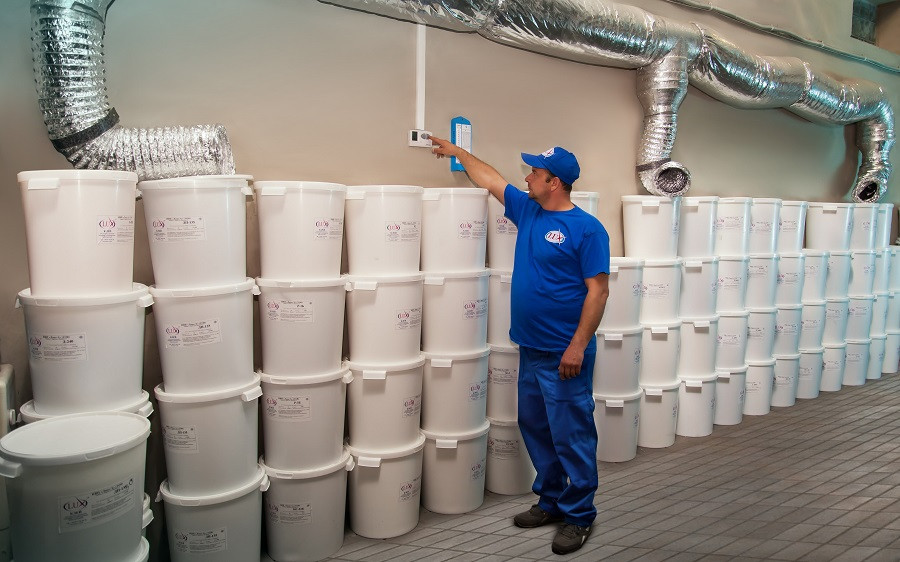
- Glue is stored best under +5 to +30 °С conditions. Take care that glue does not freeze because subsequent glue defrosting will damage its structure and the product will undergo phase separation. It is also recommended to store the adhesive in tight containers in dark rooms to keep light away from the product.
Labeling is a critical and intricate process. When failing to account for equipment features and glue specific performance, the label can come off fast to spoil the looks of the product.
Follow our recommendations to achieve quality labeling of containers:
- Control the temperature and amount of glue applied with account for the product brand and the equipment used;
- Label sticking quality is affected by the label material and storage conditions. Prior to container labeling in bulk, we recommend doing a labeling test run. This will help identify potential problems in time and eliminate them without impairing the production process;
- Store labels in a ventilated room at an optimal air humidity of 55% and temperature 21 °С.

Where to buy casein glue?
Glue for labels can be purchased in volume directly from the producer Lux-X LLC in our warehouses in Kharkov, Lvov and Odessa. When ordering glue from 30 kg, we carry out delivery in Ukraine according to the tariffs of carriers. A manager will always choose glue that will be especially suitable for your enterprise, considering equipment and label features. If required, glue will be specifically developed and produced to customer’s production specifications. Professionals will provide overall technical and information support. For close consultation on the product range and cost, or to place orders for a glue, call us by the telephone numbers on the Lux-X LLC website in section Contacts or use the call-back option.