
How to remove adhesive residue left by a sticker or label
Manufacturers use labels and branded stickers on many products, and stores use price tags. A label is part of corporate identity, which not only informs the customer about the product but draws our attention. A question often arises after buying the product: how and what to use to remove the sticker and wipe off the traces of the adhesive left on the surface? And if you have bought a product for a present, removing the adhesive residue becomes a must. The Internet offers various ways of removing adhesive residue using makeshift materials or expensive compounds. Before using any method, remember: agents that are effective for one item might damage the other. Therefore, choose the cleaning agent based on the material of the item itself.
How to remove adhesive residue left by a sticker on a glass surface
Adhesive residue left on glass or plastic by a sticker or label can be removed hot air, solvents, kerosene, alcohol or acetic acid. Plastic differs significantly in properties and can be sensitive to high temperatures and aggressive substances. Glass is a strong material and withstands high temperatures. Steam softens the adhesive, and, with time, the adhesive weakens, and the sticker separates from the surface on its own.
- Removing adhesive using water. Place the glass in a container with boiling water or pour hot water on the item and leave for 10-15 minutes. Gently pry off one edge of the label and peel off the entire label together with the adhesive.
- Removing adhesive with hot air. To better soften the adhesive, hold the surface over boiling water or steam the item. Alternatively, heat the label with a hairdryer. The effect will be the same – the adhesive will melt under high temperature, and the label can be easily removed. The adhesive residue can be removed with warm water.
- Removing adhesive with a melamine sponge. Adhesive residue can be wiped off with a sponge, even if the traces have been on the surface for a long time. A melamine sponge acts as an eraser and does not damage the surface. Soak the sticker with liquid and scour it away with the sponge. This method is not recommended if the surface is in contact with food.

How to wash off adhesive residue from metal surfaces
Metal is resistant to chemicals and abrasives. If the surface is not polished, the adhesive residue can be wiped off using alcohol-containing substances, oily substances, or solvents. We recommend pre-heating the metal using a hairdryer for a quicker, desirable result.

- Removing adhesive using acetic acid. Table vinegar, citric acid, and citrus-based agents quickly remove sticky stains. Apply the agent on the desired area and leave it to soak in. Then remove the sticker and wash off the adhesive residue with water. Polish the surface if necessary.
- Removing adhesive with oil. Before applying the oil, prepare the working surface – cover the table with paper or cloth. Soak a napkin or paper towel with liquid and wipe the metal surface with it. Allow the oil to soak in. Then scour away the sticker with the napkin, and gently wipe the surface – along the polishing lines, to avoid scratching the surface. Repeat the procedure if the adhesive is not removed the first time. After removing the label, wipe the whole surface with oil to remove fingerprints and other marks. Adhesive on the metal surface of kitchen utensils can be removed with coconut oil. First, heat the sticker with a lighter and then apply the oil.The oil will remove the black traces caused by the flame.
Pay attention to painted metal surfaces. Before applying the cleaning agent, find out the characteristics of the paint and take into account how sensitive the substance is to external effects to prevent the paint from peeling off.
How to remove a label from clothing
Fabric is more delicate than other materials. Before using an agent, test it on a small area to avoid damaging the entire clothing item.
Adhesive can be removed from clothing using such agents as:
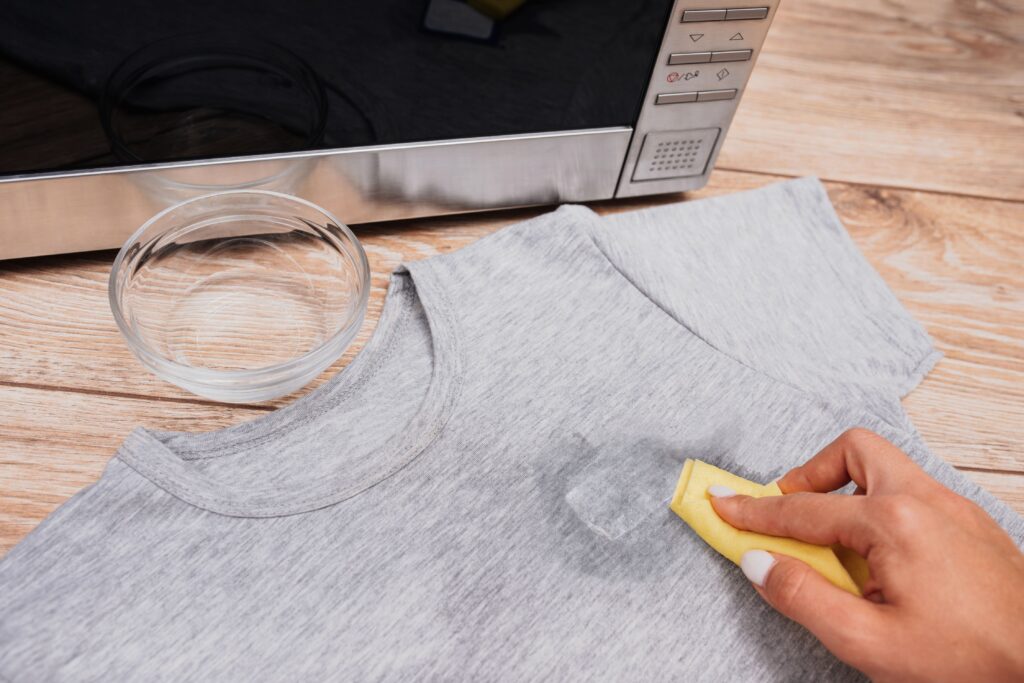
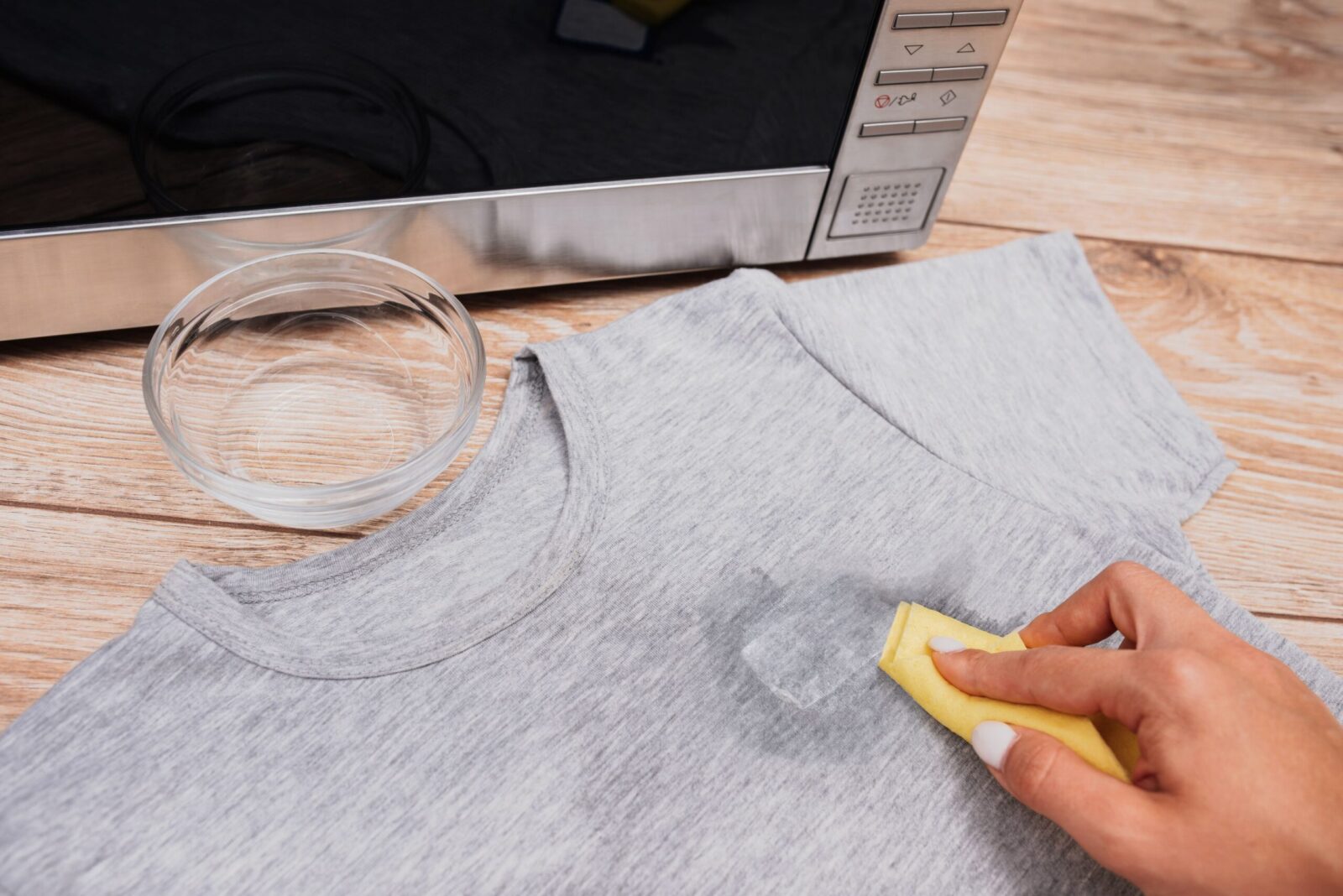
- Alcohol. Soak a sponge with rubbing alcohol or alcohol-containing substance and soak the sticker. Leave for a while and then wipe off the sticker residue with a sponge. Alcohol can be replaced with table vinegar or common soap solution. This agent is also used for glass, plastic, and other types of surfaces.
- Stains left by a price tag can be washed off with a soap solution. Wash the items with water with household soap and remove the label with rubbing movements. The method is safe for fabric. The adhesive can be removed with a special cleaning agent: spray for cuffs, collars, bleach, and others.
- Scotch tape can be used as a cleaner for fabric. Do not use this method on delicate fabrics, as it will damage the texture of the item. Apply scotch tape on the sticker and tear off the tacky tape. Repeat the procedure if necessary. It is better to use an iron if the clothing item has an applique. To this end, turn the item inside out. Place a sheet of paper under the drawing. Move a hot iron on the applique and the sticker will gradually stick to the paper. Keep ironing until the desired result is achieved.

How to remove adhesive residue from a wooden surface
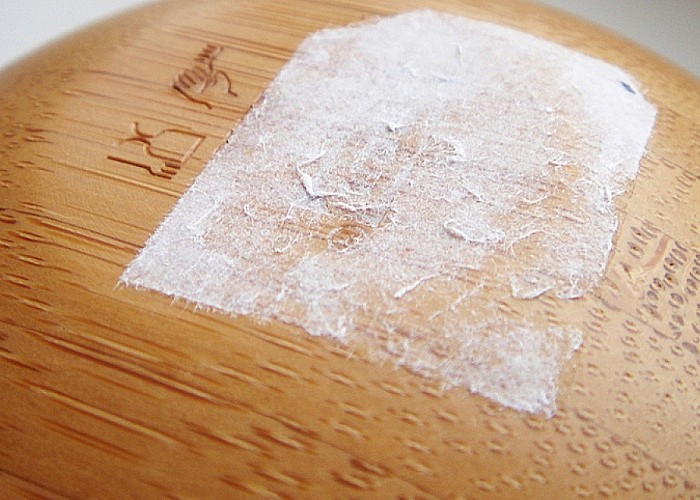
Oil, alcohol-containing agents, and rubber erasers can also be used on wooden surfaces.
- Removing adhesive from a wooden surface using oil.For painted wooden surfaces, use vegetable oil: olive, groundnut, sunflower, or rape-seed oil. Take a paper towel, soak it in oil and treat the sticky area. Let the liquid soak in and scrap off the adhesive with a knife or other item. Wash off the oil residue with a detergent. Essential oils can also be used besides vegetable oils. Apply a few droplets on the label. Wipe the area with a napkin or paper towel. Repeat the procedure if necessary. This method should be used on hidden areas since oil leaves traces.
- Removing adhesive from a wooden surface using a rubber eraser.This method is suitable for many surfaces and enables to remove adhesive residue with hand movement only, without additional agents.
On paper and cardboard items, the adhesive can be removed with a varnish remover. The liquid handles stickers and price tags very well. However, most importantly, do not overuse it. A large amount of the remover can damage the product.
How to remove label adhesive from a glass or plastic bottle
If you want to reuse containers, it is useful to know how to remove label adhesive from a bottle so that the surface looks aesthetically pleasing. There are various ways to do this; we offer some tips.
- How to remove label adhesive from a glass bottle: place the container in hot water or heat the sticker with a hairdryer. Under the influence of high temperature, the adhesive will melt, the sticker will easily come off the surface, and traces of glue can be removed using dishwashing detergent and a kitchen sponge.
- Before removing adhesive from a plastic bottle, find out the properties of the material. For example, there is plastic that cannot withstand too high a temperature, so you cannot fill such containers with boiling water. In this case, keep it in warm, but not hot water, you can add dishwashing detergent to it, and then remove the sticker and remove traces of it as described above. How else can you remove glue from a bottle? To do this, you can use a weak vinegar solution or alcohol. Dampen cotton wool or a sponge with liquid, apply the composition to the surface for a few minutes and rub, then wash the container as usual.
How to remove the sticky layer from a bottle sticker if it stays there for a long time? Old traces of glue can be removed using acetone, soda or a special solvent. When using any product, first ensure that it will not damage the material.
How to scour away adhesive residue left by a sticker or label? Tips
- before applying an agent on the item, test it on a hidden area;
- wash away the adhesive residue immediately, fresh stains are easier to deal with;
- before application, read the instructions for using the chemical agents, and, for personal safety, use the agent in protective gear.
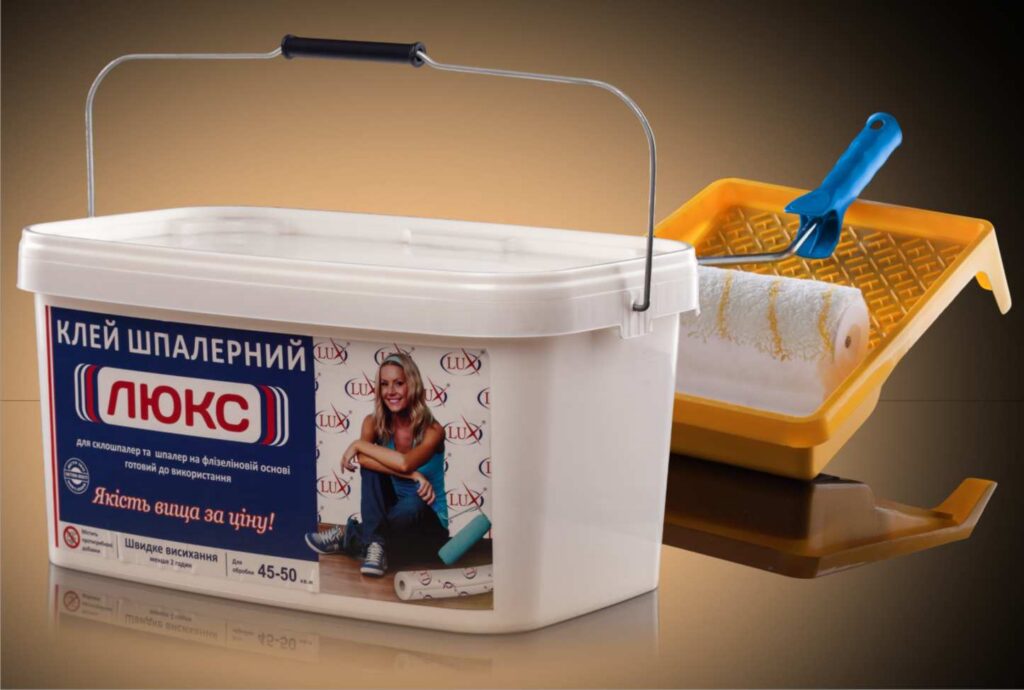
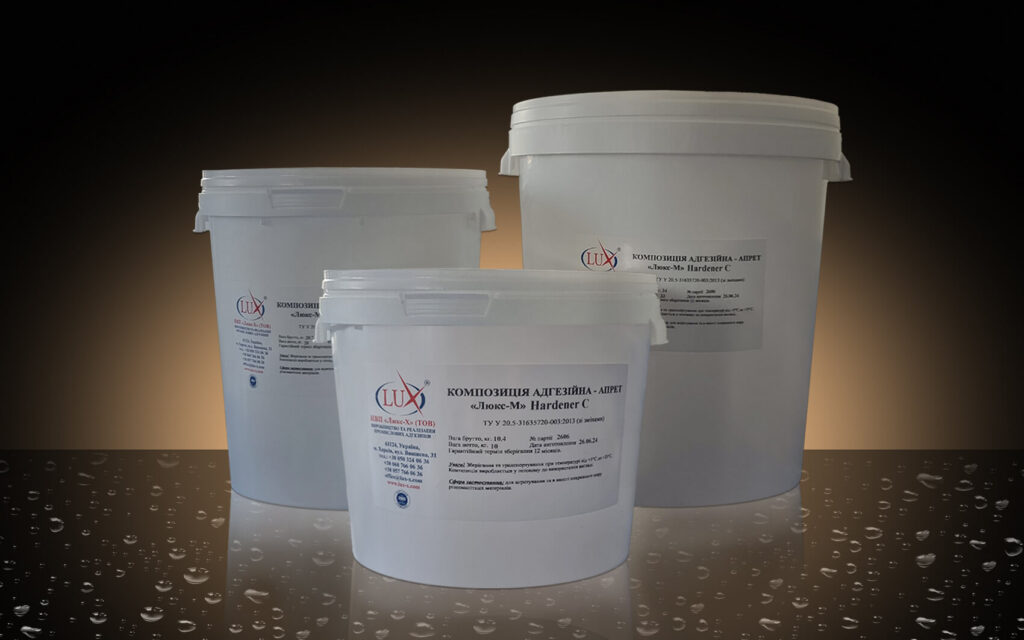
LUX-X is the largest adhesive manufacturer in Ukraine. The company’s range of products includes cold-applied adhesives and hot-melt adhesives for labels. For consultation on adhesives, call + 38 (057) 766 06 36 or click the feedback button on the website.