
How to choose an adhesive for labelling?
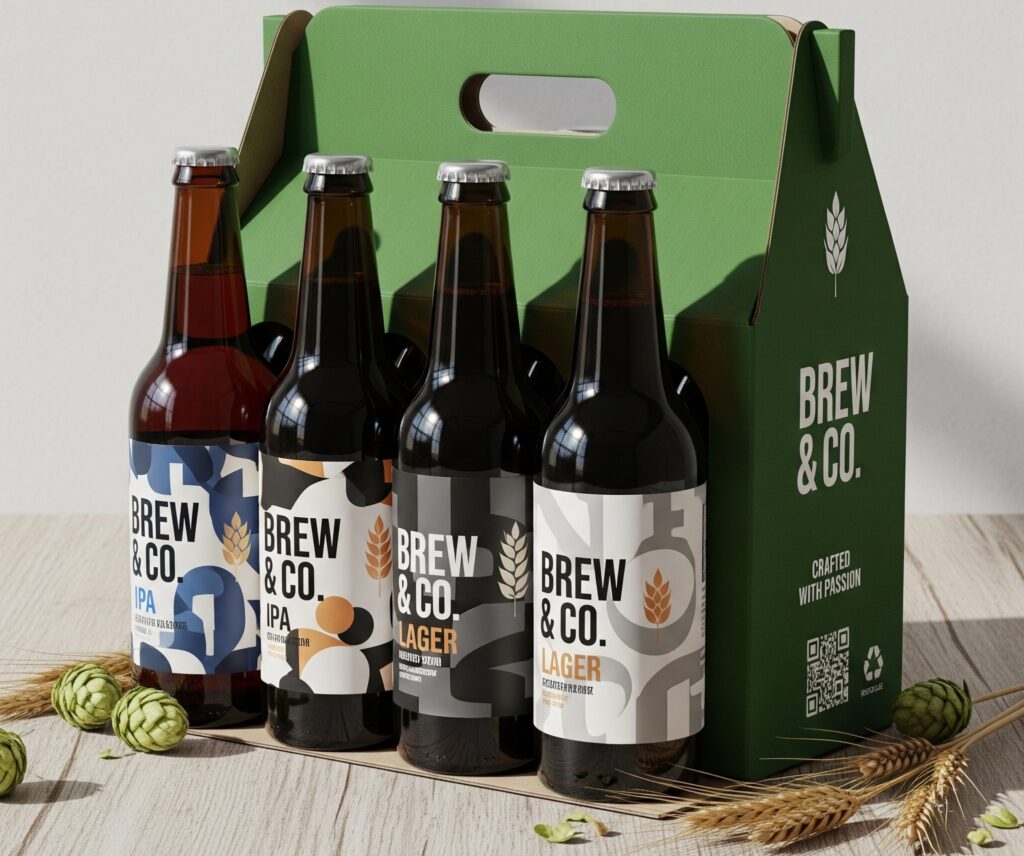
Label design is one of the marketing tools to attract buyers’ attention. Companies spend much time and money on the label’s design and color scheme because a product’s appearance defines the brand’s market position, sale volumes, and hence, a company’s profit.
An important factor in a label’s design is the color. Scientific research has confirmed that color affects human subconsciousness and triggers positive or negative emotions. While shopping, the majority of consumers buy on impulse under the influence of mood and external factors, and an attractive package exterior makes them buy certain goods.
Label designers need to realize the psychology of color and bear in mind that a properly selected color scheme makes the product attractive for definite categories of people, varying in their temperament, age, education and life style.

For instance, the red color accelerates the heartbeat and causes a surge of energy to attract the attention of self-reliant people with a proactive attitude. The blue color symbolizes calmness and freshness, and green is associated with naturalness. Bright colors are popular among children’s goods, whereas classical ones are used in labels of alcoholic products.
In supermarkets, vibrant colors are used in the design of price stickers. They not only attract the attention of buyers, but also are associated with discounts.
What kinds of labels are available?
- Paper labels – made of quality sorts of cellulose, with the material being subjected to additional printing treatment to acquire durability. Paper labels are an in-demand and an inexpensive option for industry. They are used for goods that are not much exposed to a harsh environmental impact.
- Polypropylene labels – made on special-purpose equipment with subsequent application of product information. They have high durability and moisture resistance. The labels are used on the packaging of different goods: frozen food products, bottles with beverages, pharmaceutical products, and personal hygiene products.
- Pressure-sensitive labels – printed on a flex machine. The labels are delivered to customers in rolls with the adhesive already applied. An acryl or rubber-based adhesive is used for the pressure-sensitive adhesive coating.
- Thermo-shrinkable labels – made as pieces, which are later put onto a container and placed together in a shrink chamber. Under the effect of a high temperature, the label is secured tightly to the container in a short time.
- Domed labels – made of a film material. A polyurethane resin is applied onto the container. After it has hardened, it visually magnifies the image and makes the colors acquire radiance, richness, brilliance and depth.
- Invisible hi-tech labels (No-Label Look) – made of transparent or lackluster materials. When applied onto a package, the label edges merge with the container.
Labels can be divided into three main categories: removable, movable, and permanent. Understanding the category of labels requiring special adhesive will be a starting point for the right selection of adhesive. A certain type of labels clearly indicates the level of adhesive capacity that the adhesive should provide. For example, the adhesive for removable labels guarantees sufficient capacity to adhere to the surface when applied without increasing the strength of the adhesive, and remains in this state until the label is removed.

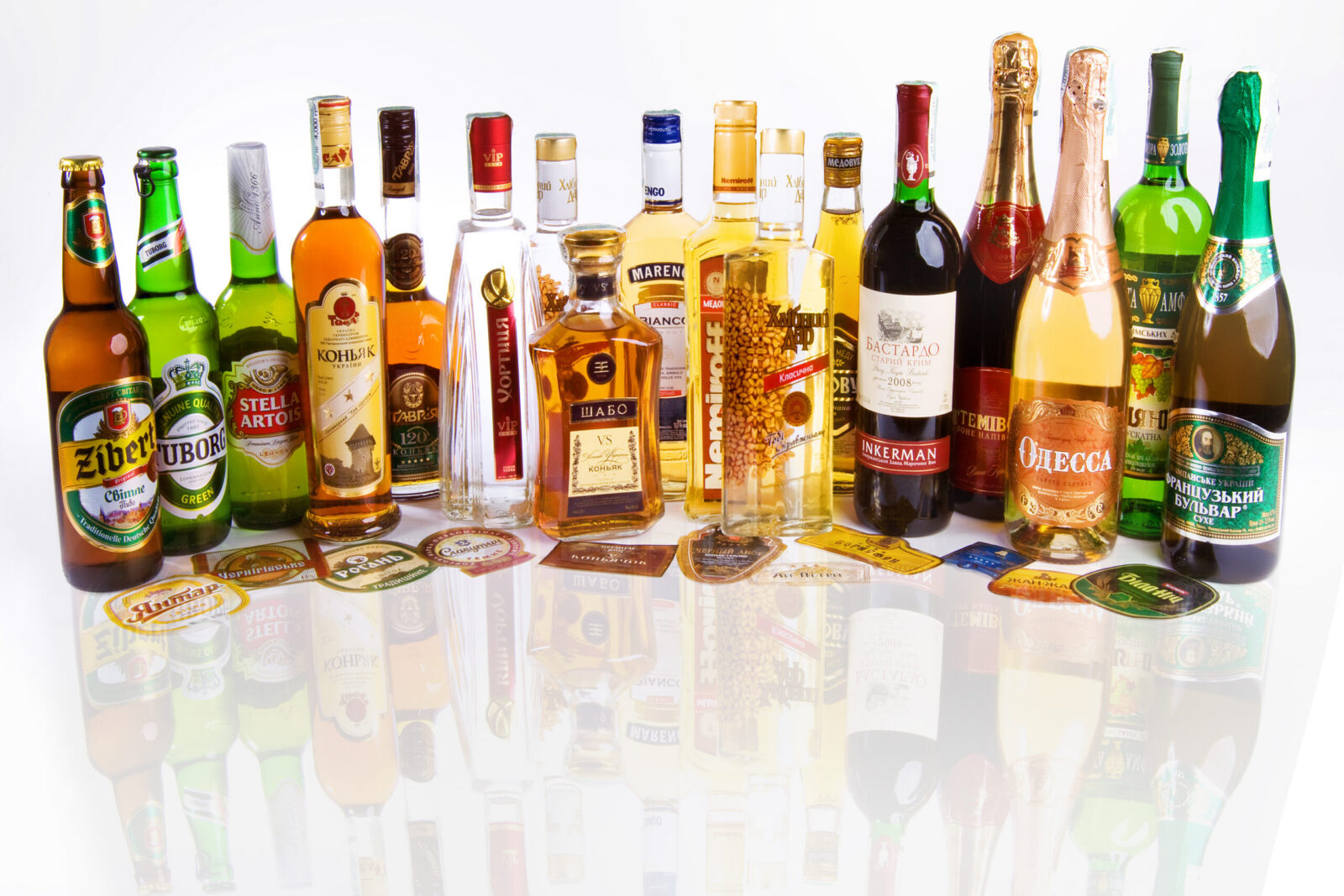
Each type of label has its own unique functionality and application:
- Removable labels. As we have already mentioned above, these labels can be easily removed without leaving a trace. To achieve this, it is extremely important to balance the strength and possibility of removal, ensuring optimal stability when the label adhesive undergoes decohesion. Typical examples of this application are foodstuffs, price tags, and advertising stickers.
- Movable labels (with the possibility to be re-applied). This is a variety of removable labels that allows users to remove and re-apply labels without сreases, wrinkles, and bubbles created. The most common example of such labels is stickers.
- Permanent labels. Unlike removable or re-applied labels, a permanent label cannot be removed without its damage or deformation. This makes them ideal for making labels protected from unauthaurized access, including tags for chemicals, and labels for general use.
For industrial purposes, labels are chosen depending on the product and the container, onto which they are pasted. For a label to adhere lastingly to a surface, making it of a quality material is insufficient. To achieve that, a proven adhesive must be chosen.
How to choose an adhesive for labelling?
Choosing a quality adhesive for a label or an excise stamp is a challenging task requiring the knowledge of many technological issues. Before choosing an adhesive composition several questions need to be answered:
- What kind of surface is to be labelled? Each material has a different surface tension; hence, the adhesive bonding will occur differently. Note that the rougher a surface is the less are the points of contact with the label. Hence, the adhesive should fill the irregularities and ensure adequate bonding.
- Is the bottle protected with a special coating? A special solution is applied onto a container to protect it from scratches and other mechanical damage. Such a solution can serve as an anti-adhesion coating, making the labelling process more complicated. In this case, the adhesive composition should be chosen carefully for the label to adhere firmly to the bottle.
- What kind of container is used: primary or reusable? If reusable containers are used the adhesive should be able to be washed off easily in a bottle-washing machine.
- Does condensate appear during container usage? An important factor for an adhesive is good adhesion when labelling glass bottles in conditions of low temperatures and high humidity. For instance, alcoholic beverages are often placed in cold water or ice, so the label should withstand well low temperatures.
- Are there dents or irregularities on the container? If the surface is irregular, the adhesive cannot contact well with the container. This results in the loss of bonding of label edges and parts, and to bubbling. In this case, it is necessary to choose the material with account of container features.
- What is the type of the bottling line and the adhesive application station? Different equipment is used to automate the labelling process. The principle of operation of the equipment consists in that the liquid adhesive is pumped out of a tank and a thin layer is applied onto the label backside. To control the adhesive layer thickness and separate the label from the gluing drum surface, attachments of different design are used: doctor blades, stripping drums, and special combs.
Types of label adhesives
Understanding the technology of applying the adhesive that underlies labeling can help manufacturers choose the right product. This article covers different types of label adhesives, the terminology related to adhesives, application features, as well as consumer and environmental advantages.
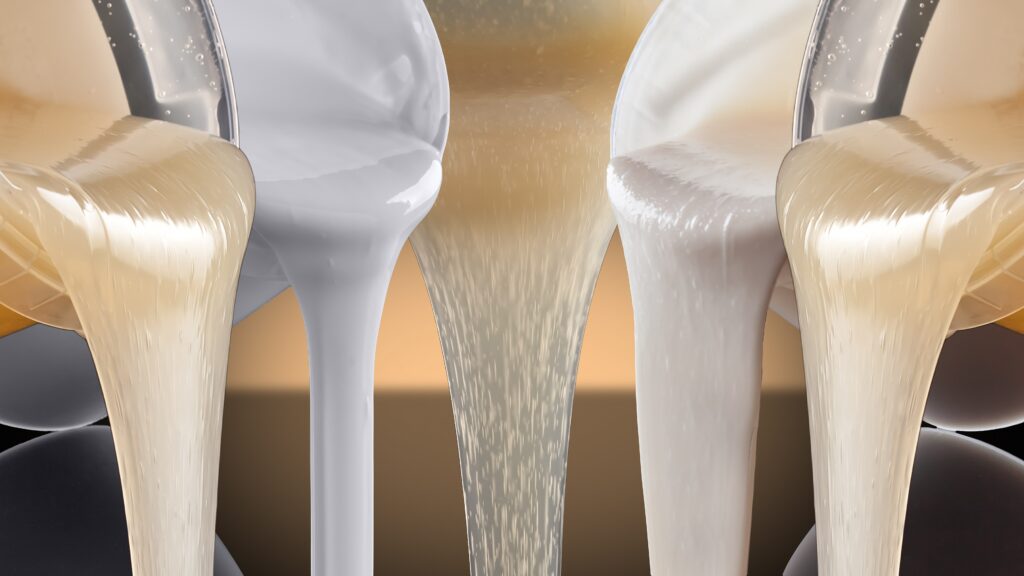
Two types of adhesives are used for gluing labels: water-based ones (cold-applied adhesives) and hot-melt adhesives.
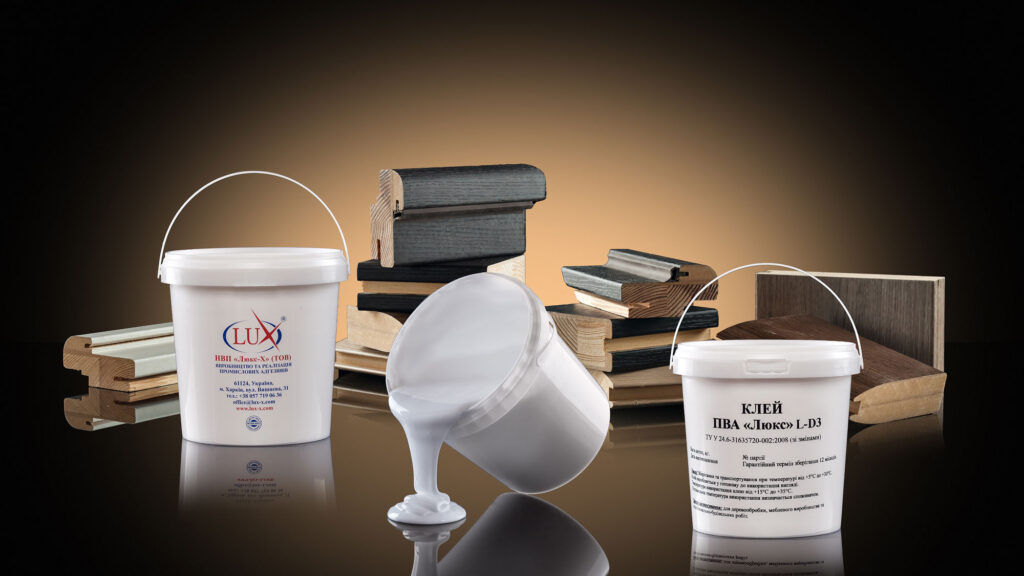
In water-based adhesives, they use water as a solvent. It hardens due to the evaporation of water or its absorption by the surface. Cold-applied adhesives are mainly used for labeling glass containers with paper labels. Dispersion adhesives for labels are so popular due to the fact that they are easily washed off with water that is advantageous when re-using glass containers.

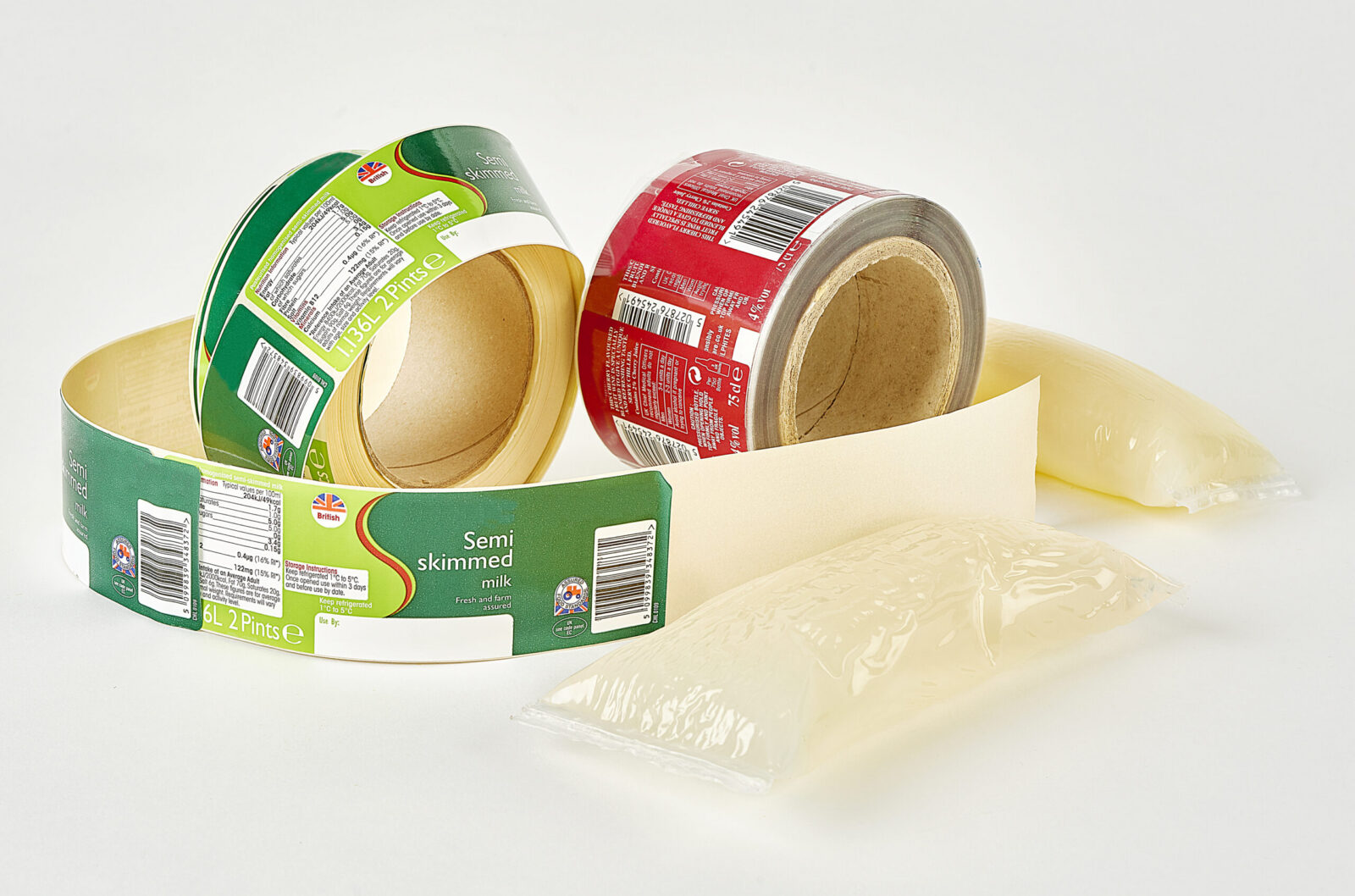
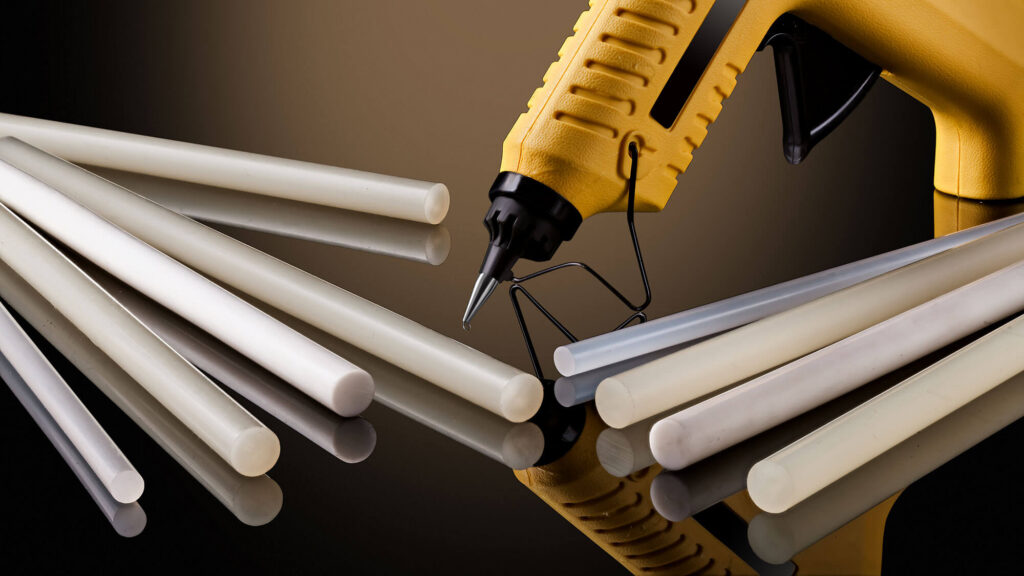
Hot-melt adhesives are made liquid by heating. They are applied to the product while being hot: either in liquid form, or as a high viscosity paste. The absolute advantage of hot-melt adhesive is good adhesion to wet surfaces. Hot-melt adhesives are mostly used to attach polymer labels to PET containers.
1. Water-base adhesives (cold water-soluble adhesives). The composition of these glues contains water used as a solvent. An adhesive seam is formed by water evaporation or absorption into the substrates to be bonded. There are several types of water-based adhesives for labels attached to glass bottles.
- Water-base starch adhesives. these are designed for labelling dry or cold wet glass containers on rotary labelling machines with a capacity of up to 30,000 bottles per hour. Such adhesives are characterized by an average setting time. A relatively low cost makes it possible to use starch adhesives commonly when gluing labels.
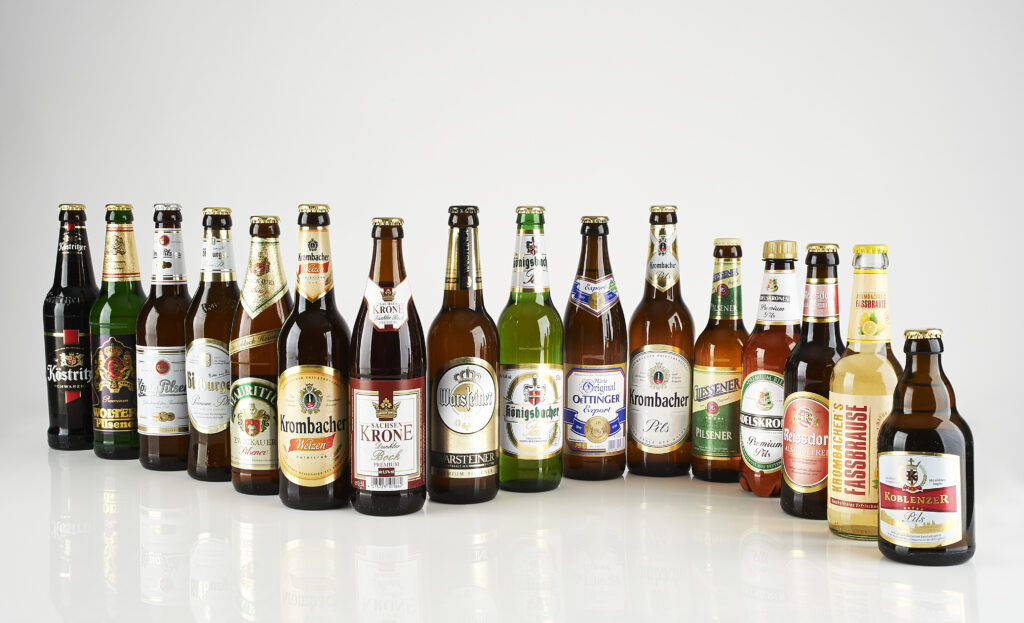
- Water-base casein glues: these are used for labelling bottles of beer, champagne and some types of wine. These glues are recommended to be applied with automatic paper label pasting on equipment with a capacity of up to 70,000 bottles per hour. Adhesives are characterized by high initial adhesion on a dry or wet surface, low consumption and a high label tacking speed. The adhesive film is colourless and retains elasticity when it dries. It is recommended for application on glass (including recycled) containers, as well as for attaching aluminium foil. This glue can be easily washed off in a bottle washer.
- Semisynthetic and synthetic water-base adhesives: these are recommended for use on complex polymer surfaces such as PET, PVC, PE and PP. They are designed for automatic pasting of paper labels on rotary and linear equipment, and also for г- and п-shaped documentary stamps on rotational equipment.
2. Hot-melt adhesives: these are glues which are heated to a specific operating temperature and soften to a liquid state and then return to a solid state when they cool.
If you choose the necessary hot-melt adhesive brand correctly, and with the help of specialized equipment, hot-melt adhesives can be used to glue a container label of any material type onto various surfaces and shapes.
Labelling hot-melt can be used:
- on all types of high-speed equipment in idle mode up to 70,000 bottles per hour, while also keeping the equipment clean;
- with different label feed systems;
- on cold, wet glass bottles;
- on hot, dry jars up to 85 ° C;
- on PET bottles with carbonated drinks that expand after being filled;
- on heat-shrinking labels that can be safely heated after applying glue.
Hot glues or hot-melt adhesives are divided into three types:
- Pressure-sensitive hot-melt adhesive based on caoutchouc (PSA) is glue that retains permanent tackiness on the surface where it is applied. This adhesive is ideal for materials that have a large area and are designed for a wide range of jobs with difficult-to-bond surfaces, and are used in manufacturing self-adhesive labels, labelling PET containers as well as other types of labels.
- Adhesive based on ethylene vinyl acetate copolymer (EVA) is a widely used type of hot-melt. Suitable for bonding various substrates and is often used in the paper, packaging and assembly industries. Adhesives based on EVA have a wide range of formulations, as the adhesive’s composition directly affects its properties.
- Glues based on metallocene or alpha-olefins. Owing to their chemical composition, these adhesives are characterized by clean adhesive equipment operation; the injector nozzle and the bath always remain clean. Such glues are also called “self-cleaning”. These are “unfilled” adhesives with a lower flow rate compared to EVA due to the high content of its main components that are responsible for adhesion.

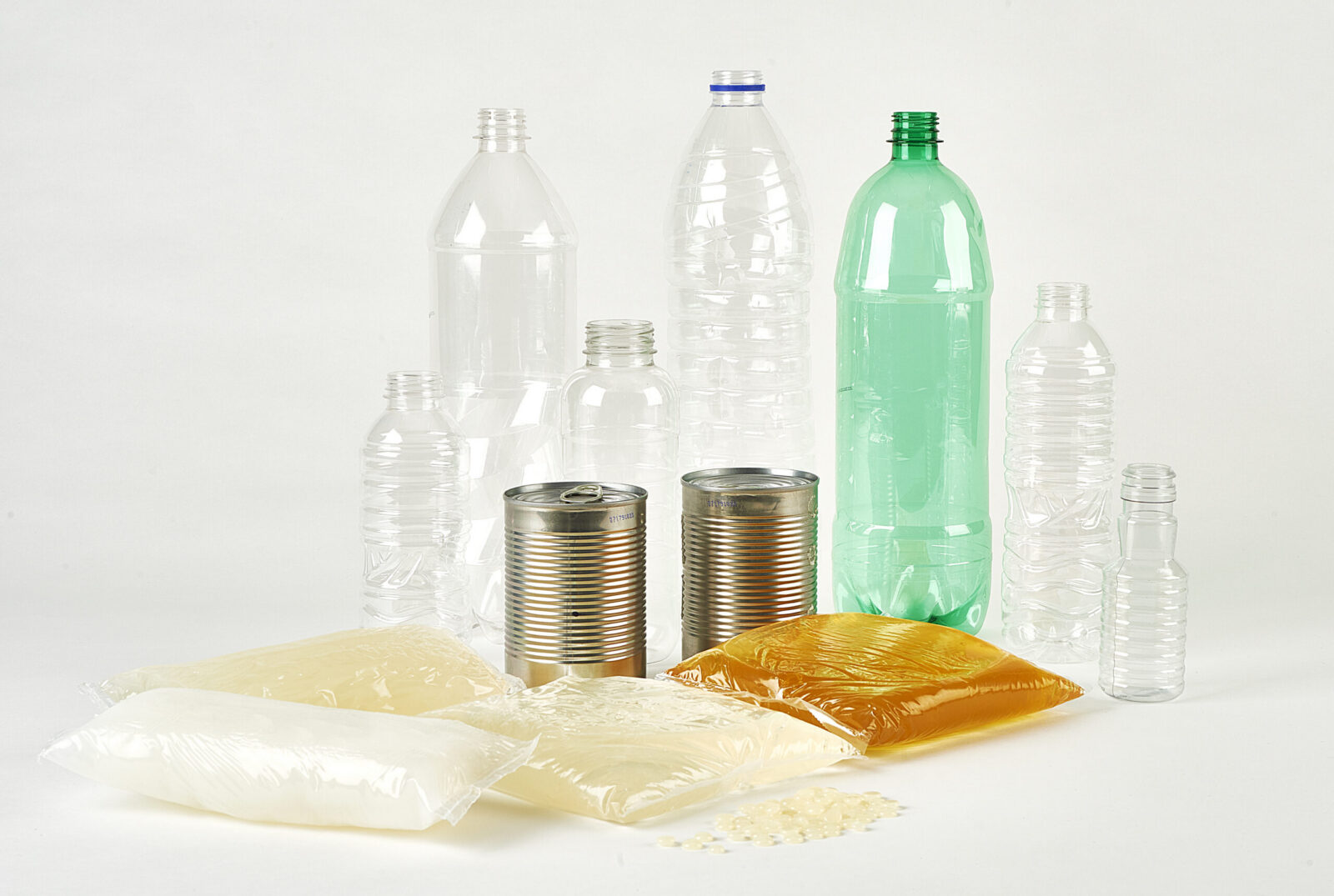
Terminology relating to adhesives
It is helpful to understand the properties of various adhesives and how they affect the characteristics in order to choose the right adhesive for a particular type of application. The properties of adhesives include:
- Adhesive capacity. Initial adhesion to the surface with minimal pressure. It is easier to remove adhesives with low adhesive capacity from surfaces.
- Adhesion. Strength of the bond between the adhesive and the surface after pressure. Higher adhesion will make it difficult to remove the label and may cause the substrate or label to break.
- Decohesion. It is the effort required to remove the adhesive from the surface. Adhesives with lower decohesion properties are easier to remove.
- Shifting. The ability of the adhesive to withstand the efforts applied in opposite directions. Softer adhesives have lower shifting strength, higher degree of adhesive capacity and are more likely to break during shifting.
- Temperature. The minimum application temperature is the lowest temperature at which the adhesive bonds to the substrate. The operating temperature is the minimum and maximum temperatures at which the adhesive retains its strength.
What kind of adhesive is used for labelling bottles?
Water-based adhesives – used for labelling glass containers or tin cans, as well as PET bottles. Water-based adhesives are chosen depending on the container and label materials, the task at hand, and the product storage conditions.
Area of application of adhesives:
- production of alcoholic beverages;
- wine production;
- beer brewing and production of soft drinks;
- chemical and pharmaceutical industry;
- food production.
Hot melt adhesives – used for paper and polypropylene labels on PET, PP, and PVC surfaces, including cold or moist, glass or metal containers. Due to its elasticity and shear resistance, the adhesive is best for labelling bottles with carbonated soft drinks that undergo expansion.

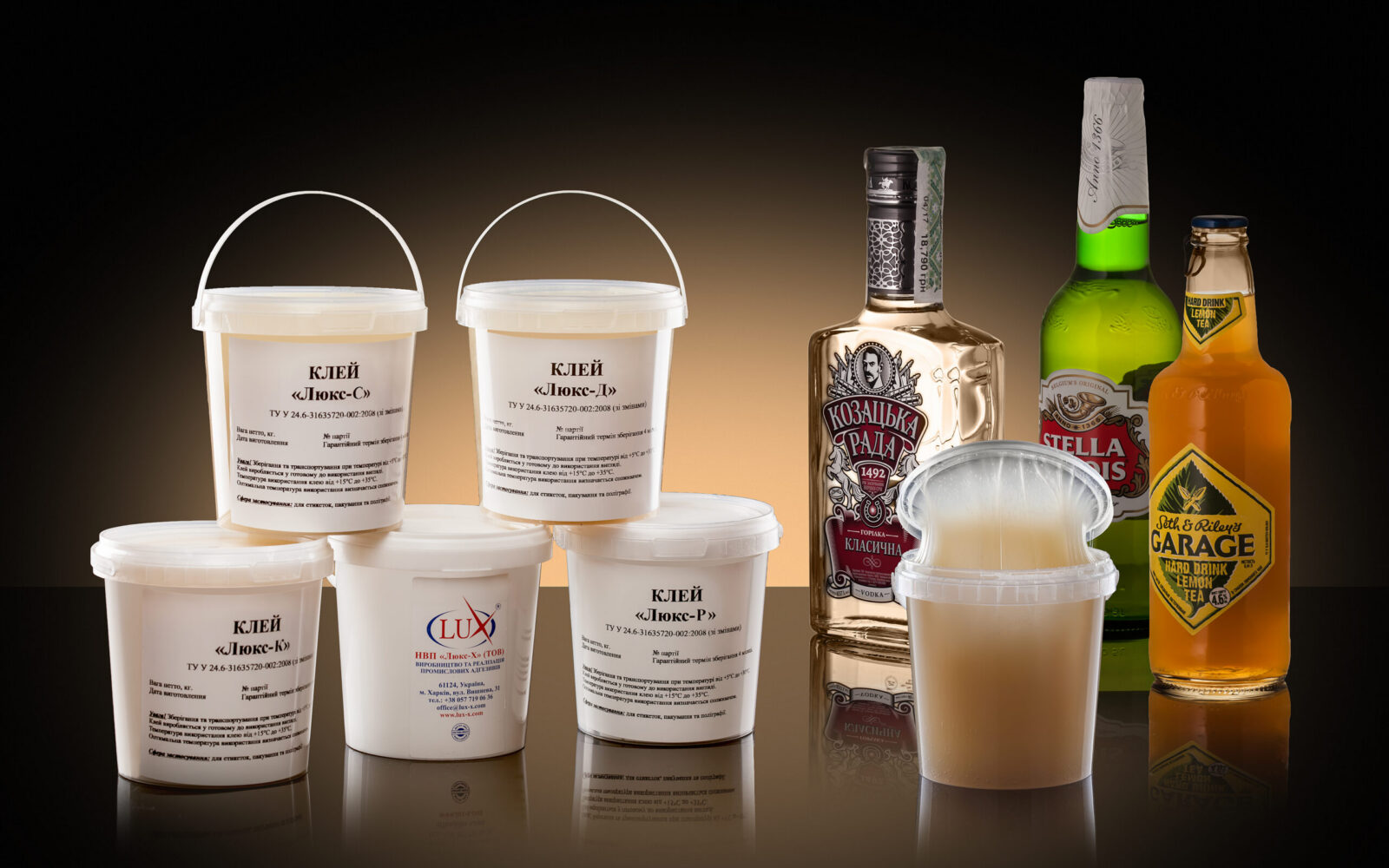
Hot melt adhesives can be used with different types of labelling machines that label up to 70,000 bottles per hour. This makes it possible to use the adhesive in mass production with different packaging materials and usage conditions:
- paper and plastic labels;
- cold moist PET or glass bottles;
- hot glass containers;
- hot and cold tin cans;
- high-density PVC/polyethylene;
- equipment with magazine or roll feed.
One of the kinds of hot melt adhesives for labels is a permanent tackiness pressure-sensitive adhesive. The hot melt adhesive with residual adhesion remains sticky after it has been applied onto paper or film. It is characterized by enhanced resistance to the moisture level and temperature changes. This adhesive is used for making pressure-sensitive labels.
Guidelines to select the right adhesive
Additional factors that should be taken into account when choosing adhesive include the surface of the substrate, since each type of adhesive is intended for certain materials such as glass, plastic, metal and others.
Specific application requirements may also affect the type of adhesive used. For example, in the food industry and beverage production, some containers are filled with hot water to sterilize the contents, while bottles with carbonated drinks usually get expanded, with the label expanding, too. The adhesive used for such applications must be suitable for a specific surface and temperature, and provide the necessary properties that allow the label to stretch out.
Besides, now ecology issues are crucial in choosing adhesives for labels. For example, the beverage industry using PET bottles is gradually transferring to a closed-loop “re-use” economy model, in which alkali-washable adhesives allow to completely remove labels and adhesive from PET bottles before they get on the market.
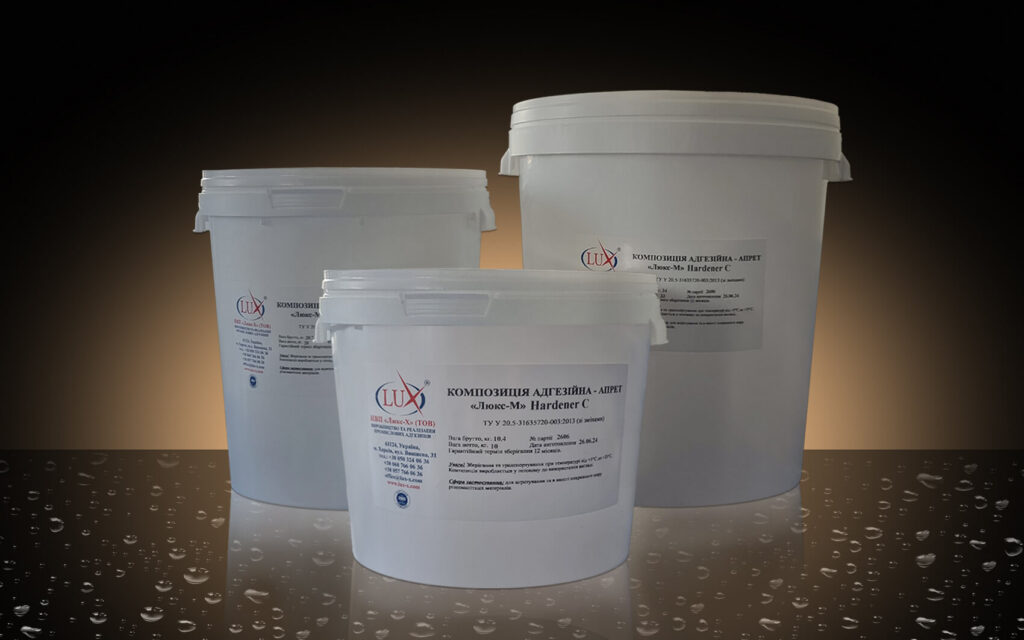
The line of Lux adhesives presents an adhesive for labeling glass containers for beer and sparkling wine, resistant to “iced” water, the so-called IWR adhesive. Resistance to “iced” water means the fixation of the label when the bottle is submerged in water at about +5 °C for several days, while the adhesive does not get soggy and the label stays fixed. It is also important that this product is easily washed off the returnables in the bottle washer. The adhesive is cost-efficient and effective when working at high speeds.
For gluing the excise stamp, a special brand presented in the Lux-K line is applied, which stands out for light colour and is almost invisible in a thin layer on the excise stamp, it boasts good adhesion properties in relation to most polymer materials and lacquers, and also provides fast bonding and “clean” bond line.
In the sector of labeling wine containers, adhesive is used for high-density labels, according to the characteristics related to cardboard, and not to labeling paper. Such labels look expensive and unique on wine bottles. The special brand of Lux adhesive stands out for its increased adhesive parameters and a short bonding time.
The primary quality of adhesives for industrial applications involving machine production is constancy of lot-to-lot characteristics.
This ensures equipment operation without an intermediate readjust. This is what typically defines a trustworthy supplier. On the other hand, the production of industrial adhesives requires, along with process equipment, a high level of laboratory support and many years of experience. Scientific-and-Production Enterprise Lux-X LLC has such a complex in place jointly with a wide range of products.

Improving the effectiveness of adhesives for marking and labeling
The selection of a proper adhesive for marking is rather simple provided the following conditions are met:
- the material or container to which you need to glue a label;
- label type (permanent, removable or movable);
- you should provide specific requirements regarding the application, operating temperature, and contents of the bottle, such as carbonated or non-carbonated beverages, etc.
Actually, each application is unique and each company has at its disposal a combination of various equipment, label materials, different environmental conditions and performance criteria that require testing the adhesive before it is put into production.
That is why we strongly recommend working with reliable manufacturer who will be able to suggest either available adhesive, or develop a customised composition that exactly meets your needs for label adhesive, providing both lab tests of materials and comprehensive support while testing new adhesive.
How to order an adhesive for labels from the Lux-X company?
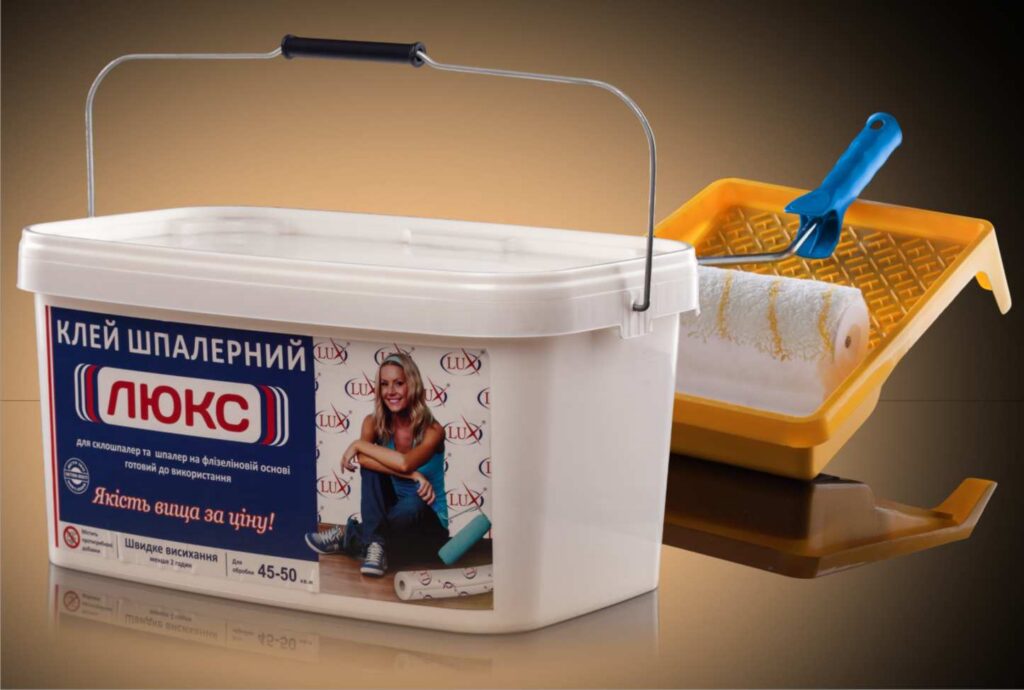
Lux-X LLC, the major producer of industrial adhesives in Ukraine, offers a wide range of industrial adhesives for labelling and excise stamps. The company’s product mix is represented by water-soluble adhesives of own production under the Lux trademark and hot melt adhesives from BeardowAdams (Adhesives) Ltd (Great Britain) under the ВАМ и ВАМFutura trademarks.
If you are engaged in manufacturing and you need to choose an adhesive for gluing labels or excise stamps, please contact Lux-X company. Our team will help you improve productive capacity at your enterprise by choosing the right adhesive for your production processes. Just call us at +38 057 766-06-36, send an email to office@lux-x.com or fill out an enquiry form on our website lux-x.com