
What is a pressure sensitive adhesive?
Today, pressure sensitive adhesives play a unique role in many industries: They are used to manufacture tapes, label stock, and coatings that are used in industries as diverse as automotive, healthcare, and packaging. With the boom in e-commerce shopping, which relies on flexible and rigid packaging sealed with pressure sensitive adhesives, the demand for PSAs is expected to continue in the coming years.

In this article we’ll cover what defines a pressure sensitive adhesive, how they work, the different types, as well as their key advantages.
What is a pressure sensitive adhesive?
Pressure sensitive adhesives are a versatile bonding technology defined by their permanent tack and clean, easy-to-use properties. Applied with light pressure from a machine or by hand they can form a bond, for both temporary and permanent applications.
Unlike other adhesives, their natural elasticity lets them move and flex within use; to absorb and then dissipate energy upon impact. Making them great for security closures as well as industrial uses such as bonding components in the automotive industry, for example.
PSAs can be formulated to have high or low tack, in-built cohesive strength, temperature performance, and clean die-cutting properties.

How does pressure sensitive adhesive work?
As mentioned, pressure sensitives are applied with pressure, so unlike other glues, they are non-reactive, requiring no water, solvent, or heat to activate the adhesive. Their pre-cured nature makes them incredibly easy-to-use – simply peel and stick.
Performing well at room temperatures, some pressure sensitives can lose their tack at low temperatures and reduce their shear strength at high temperatures, though this can be overcome with the latest, advanced formulations.
Additionally, surface factors should be considered when using pressure sensitives: substrates that are smooth, with good surface energy, and free of contaminates will enhance their performance.
Types of pressure sensitive adhesive
Typically formulated with a rubber, acrylic, or silicone base, pressure sensitives are used for both permanent and temporary applications.
For permanent applications such as automotive insulation and sound dampening assembly, pressure sensitives provide a lighter and stronger alternative to fasteners and fixings. Other applications include safety labels and even insect traps.
Temporary applications, designed to leave surfaces residue-free, include packaging tapes, decorating tapes, surface protection films, bag and envelope closures, sticky notes, and skin care materials such as plasters/band aids, athletic tape, and ECG electrodes. They can be designed to repeatedly stick and unstick or provide a destructive bond for security and reassurance.
Furthermore, pressure sensitives can be formulated to be softer, for faster flow and bond build strength, or firmer, offering stronger bond strength and increased high temperature performance, depending on the application requirements.
Benefits of pressure sensitive adhesive
Pressure sensitives allow businesses to maximize design options, enhance product performance, and boost productivity. The following are reasons why manufacturers should use pressure sensitives in their business and supply chains:
- Easy application: tapes or self-adhesive coatings can be applied in a factory and then bonded at site by simply peeling and sticking, saving time, and reducing labour costs.
- Natural elasticity: the viscoelastic, non-rigid bond of pressure sensitives enables them to move and flex with substrates, accommodating temperature changes and absorbing impact. They also provide vibration dampening.
- Bonds dissimilar materials: the viscoelastic properties of PSAs allow them to excel at bonding dissimilar materials, such as metals to plastic, foam to card, or wood to glass.
- Precise application: using converted or die cut shapes can led to more accurate placement and enable automation.

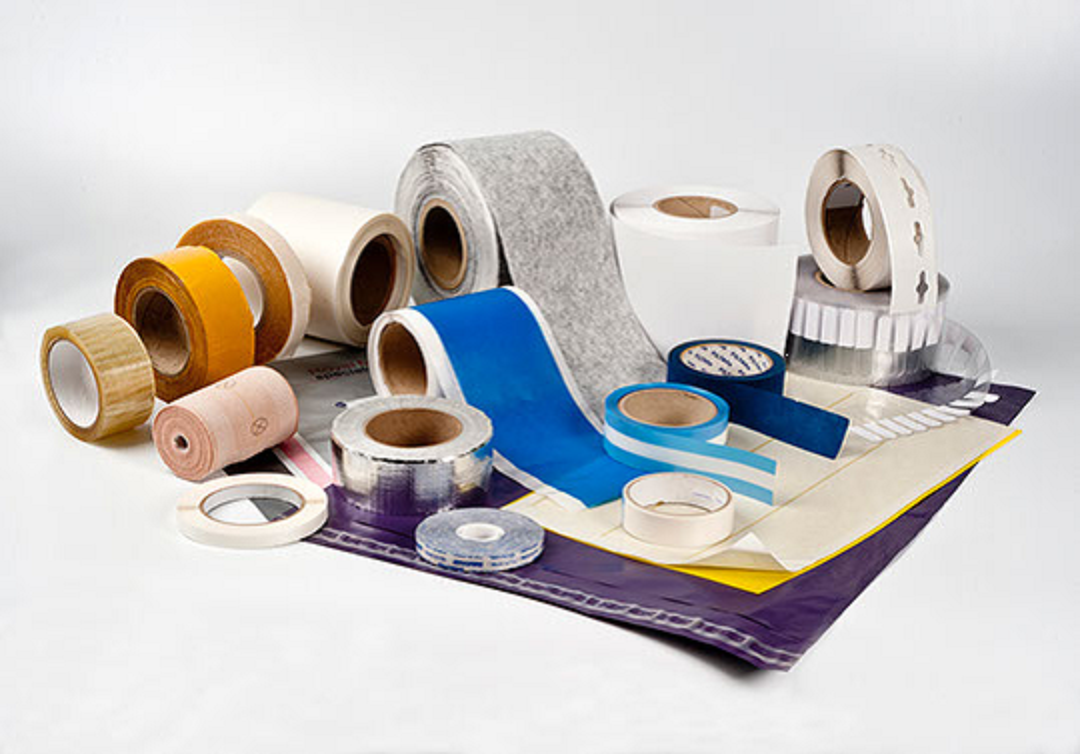
Pressure sensitive adhesives TM Pressen
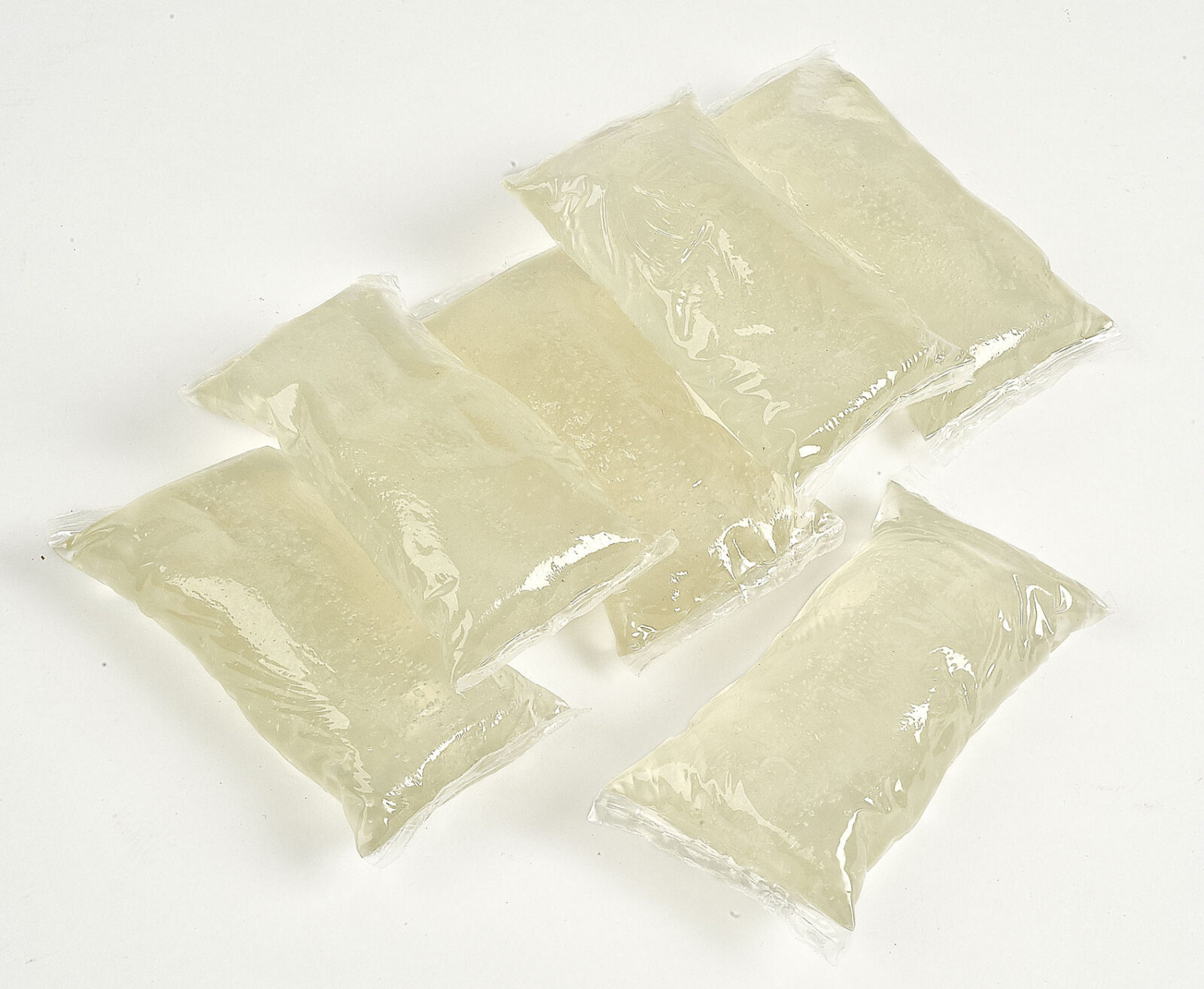
Over our many years in the adhesives industry, Beardow Adams Adhesives have developed a market leading range of hot melt pressure sensitive adhesives. These adhesives are used in countless self-adhesive and converting applications around the world, proven and trusted by manufacturers and consumers alike.
Pressen™ pressure sensitive adhesives (PSA) are specifically designed to provide exceptional performance for applications such as:
Label Stock Adhesives. They can be relied upon to securely bond paper, metal foil, plastic film, fabric and non-woven labels to glass, paper, board, metallic and ceramic surfaces. This means that they can be relied on to achieve the necessary balance of shear, peel and tack required for each application.

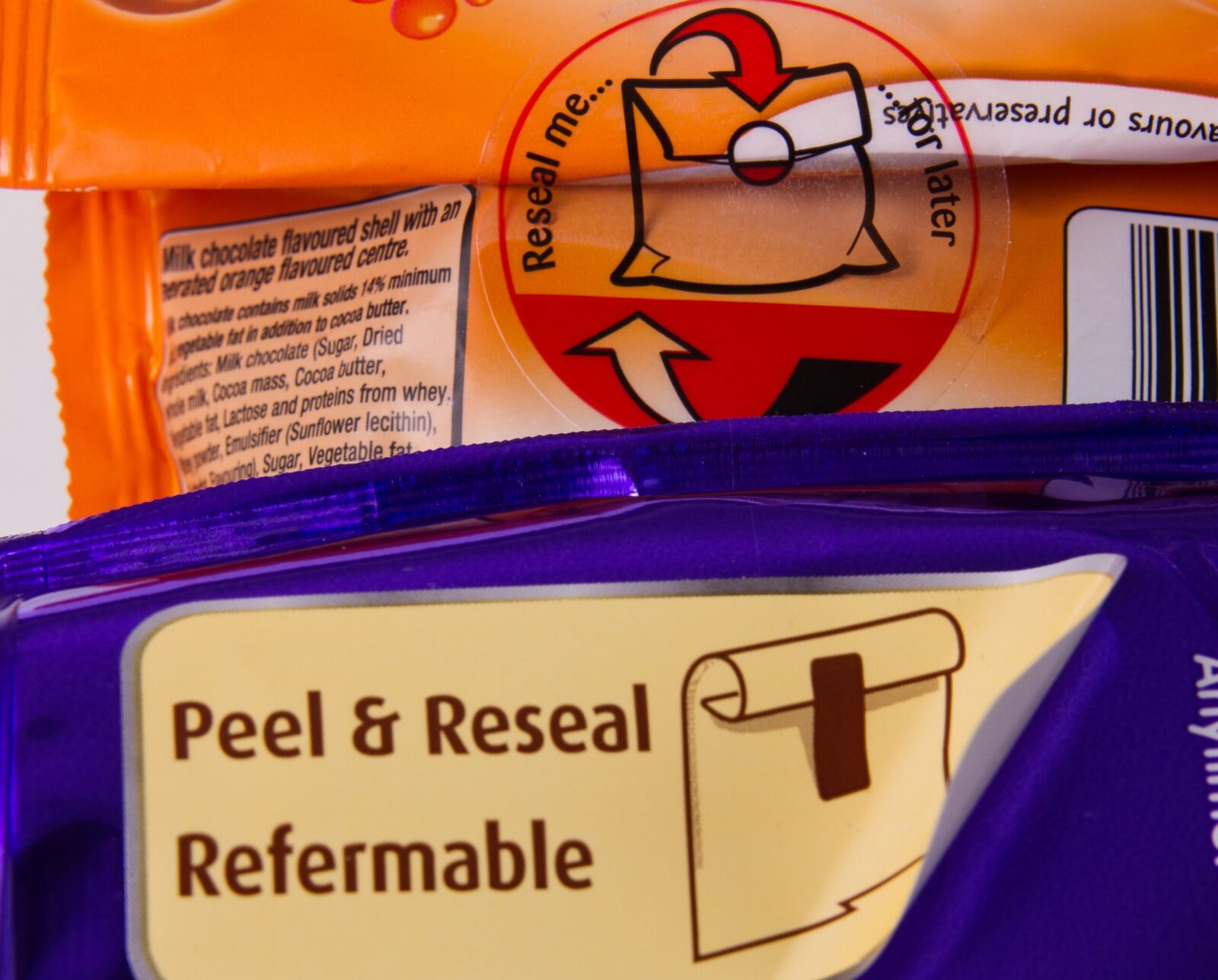
Label stock comprises of a carrier material – typically paper, film, fabric or foil – which is applied with adhesive to one side, and a printed design to the other, which sits on a bottom layer, or liner, that is coated with silicone to enable the label to be removed cleanly.
Included in range of label stock adhesives is:
- Pressen™ 2007, which has good adhesion to paper and plastic label stock and gives no residual staining to paper label stock;
- Pressen 2319, which is formulated for permanent self-adhesive label stock applications.
- Tapes and Strings Adhesives. Pressen hot-melt adhesives for self-adhesive coatings are now an essential component in the production of adhesive tapes, art panels, bag and envelope closures and even insect traps. Adhesive tapes are a growing sector, offering an attractive alternative to fasteners, screws or welding as they are clean, easy to apply and can protect your surface in comparison to screws and fasteners which can scratch and cause damage.
Our unique tape adhesives include:
- Pressen 1725A, which has a versatile bonding performance with high grab and high cohesive strength. It gives a permanent bond and has a relatively high heat resistance;
- Pressen™ 2039, which can be used for self-adhesive closures on heavy-duty materials, where a stronger more destructive bond is required. This adhesive may also be used for high coat weight tape applications, where a strong permanent bond is required.
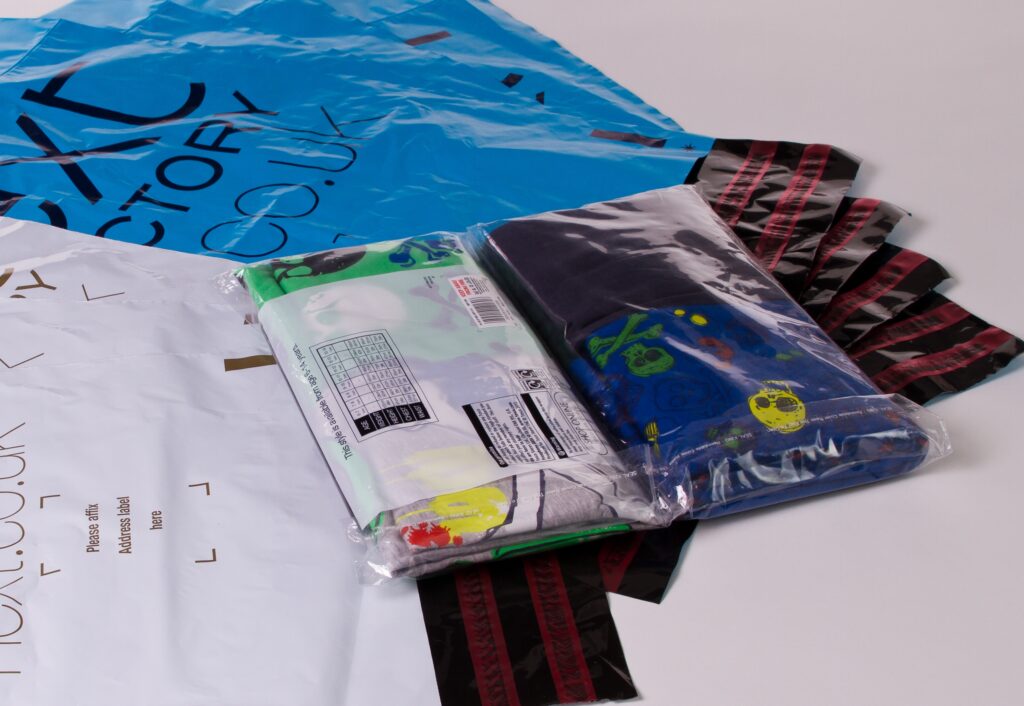
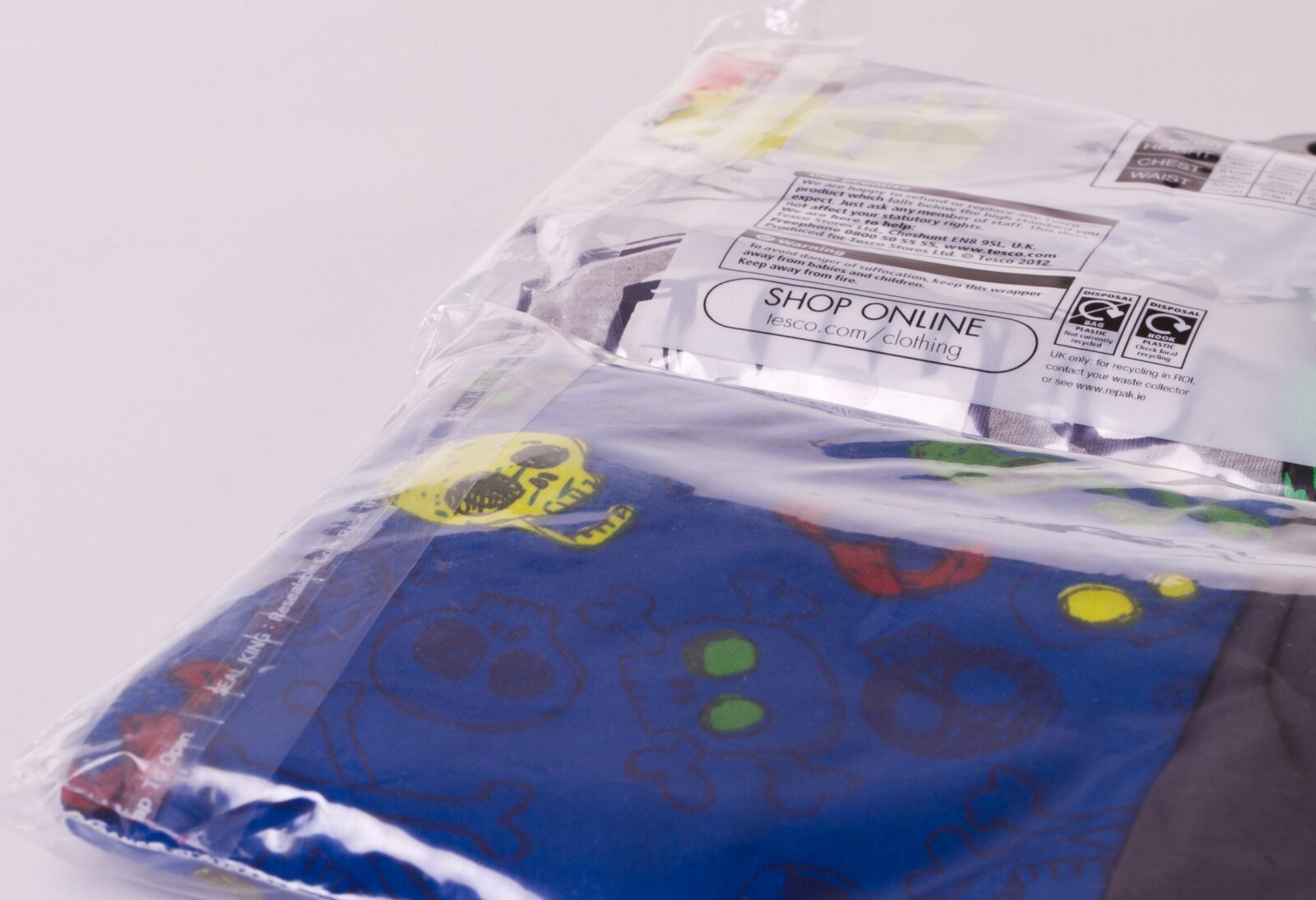
Flexible Packaging Adhesives. Our flexible packaging adhesives offer high and instant tack to difficult-to-bond surfaces, for applications that include ‘peel and seal’ mailing/courier bags, food pouches and laminate packaging for meat and cheese.
Our unique flexible packaging adhesives include:
Pressen 1968 – designed to give excellent adhesion and an instantaneous destructive bond on difficult-to-bond surfaces for security and reassurance, as well as outstanding low-temperature performance for freezer applications;
Pressen 2441 – developed as a mineral oil-free pressure sensitive adhesive with a high level of tack for self-adhesive tapes and coatings.

Insect Trap Adhesives. Insect traps are used indoors and outdoors in a variety of climates and come in a range of colors, scents, shapes and sizes. Using adhesives for insect trapping avoids the use of harmful toxins that can be dangerous to children, animals and the wider environment.
We offer adhesives that can withstand high temperatures, meaning they won’t run or drip, and adhesives that will peel cleanly off their release liners. These products are great for home and work use as they are color and odour-less and can also be used outdoors – thanks to their UV light stability.
Our off-the-shelf, unique insect trap adhesives include:
- Pressen 1882UV, which is formulated as a high-tack, high-grab fly trap application that is suitable for warm ambient temperatures;
- Pressen 2000, which was developed to be light in colour, with low-odour and viscosity.
How to buy pressure sensitive adhesive?
The broad performance and adaptability of pressure sensitive adhesives makes them an essential bonding technology for a growing number of industries and applications worldwide. To take full advantage of their unique performance properties, it’s crucial to choose the right adhesive by considering the application, substrates, environment, and desired product lifespan.
For further information about range of pressure sensitive adhesives, send an email to: office@lux-x.com or fill in the enquiry form of our web-site. You can also get advice by calling: +38 (068) 766 06 36; +38 (050) 324 06 36