PVAC as a primer

PVAC as a primer

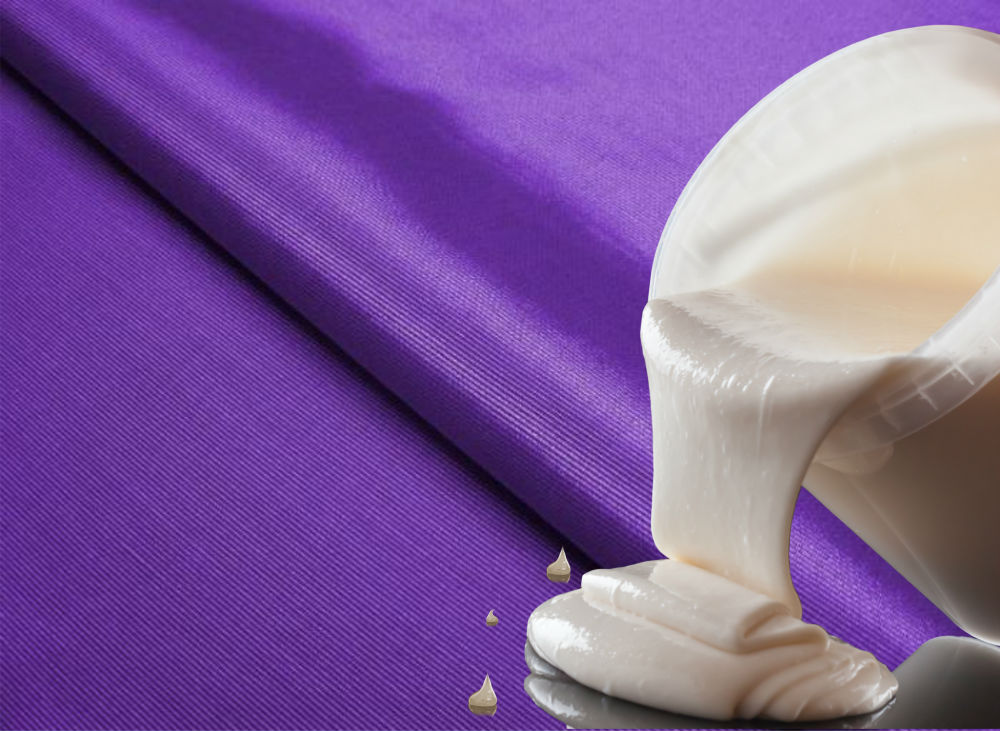
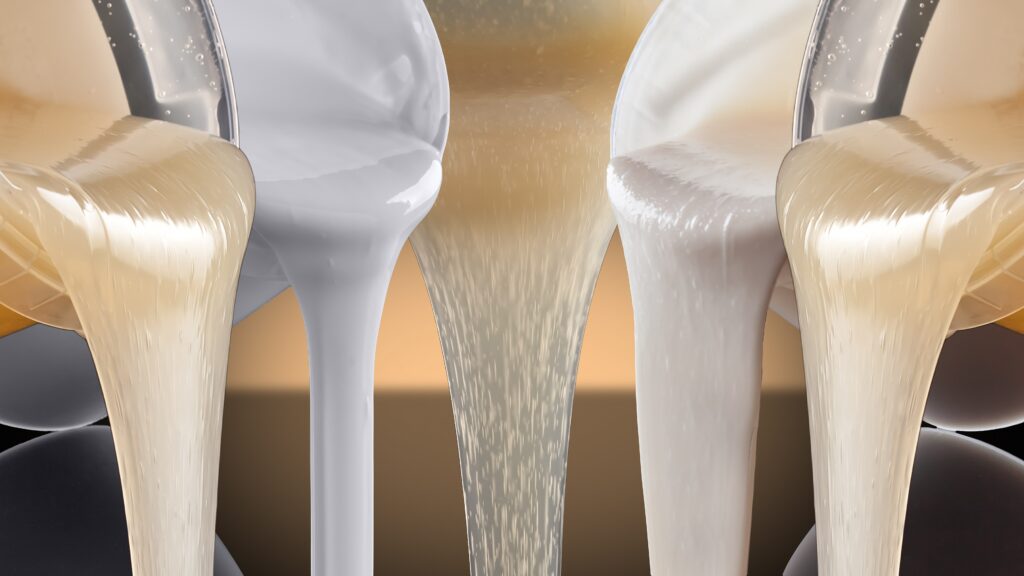
PVAC glue is a multipurpose adhesive for bonding different materials: cardboard, paper, textiles and wood. Besides bonding materials with one another, polyvinyl acetate is used as a component in mortar mixes. PVAC is added when making primers and spackling paste to increase the adhesion of finishing materials. PVAC glue is used to prepare primers because the adhesive is nontoxic, flameproof, has a soft consistency, and is easy to apply onto a surface.

Besides improving the adhesion, a primer with addition of PVAC has the following advantages:

  • Protects the surface from ingress of moisture.
  • Facilitates uniform spreading of a finishing material: varnishes, paints and other decorative materials.
  • Reduces the consumption of finishing coatings.

How to prepare a primer from PVAC glue

Preparing a PVAC-based primer is an easy task that can be done at home. The following things are needed to prepare a primer:

  1. PVAC glue. It is crucial to choose a quality adhesive that does not turn yellow with time. This will prevent the appearance of stains on a surface. Also, pay attention to the shelf life of the adhesive. It is best to use a glue that was produced no earlier than four months ago.
  2. Water. Polyvinyl acetate glue should be diluted with water. It is not recommended to prime walls with an undiluted PVAC glue because, following the application of the primer, a thick film is formed on the surface that can peel off with time. Besides, PVAC glue consumption will be high and primer application can present issues.
  3. Container. No criteria exist to choose a container. Use any container that is convenient to mix the composition.
  4. A construction mixer or a wooden stick. Stir the primer to a homogeneous consistency to remove all lumps. The glue can dissolve completely even when mixed by hand, though to make the task easier use a construction tool.

Proportions

Construction specialists recommend mixing 1:2

  • one part of polyvinyl acetate,
  • with two parts of water.

There is no point in limiting oneself to this ratio because more water may be needed depending on the PVAC viscosity and dry solid. When preparing the primer check its consistency to make sure no inclusions are present and that the composition can be easily applied onto a surface. It is best to remove glue blobs immediately. Prepare the

primer in a limited amount for one application job. Such a composition cannot be stored for long because it contains no preservatives and antifungal agents, and spoils quickly.

How to apply a PVAC-based primer

Before applying the primer composition, prepare the surface. Smooth out the walls, remove all defects and cracks with spackling paste and sandpaper them to make the surface smooth. The primer is applied onto brick, concrete or wooden constructions.

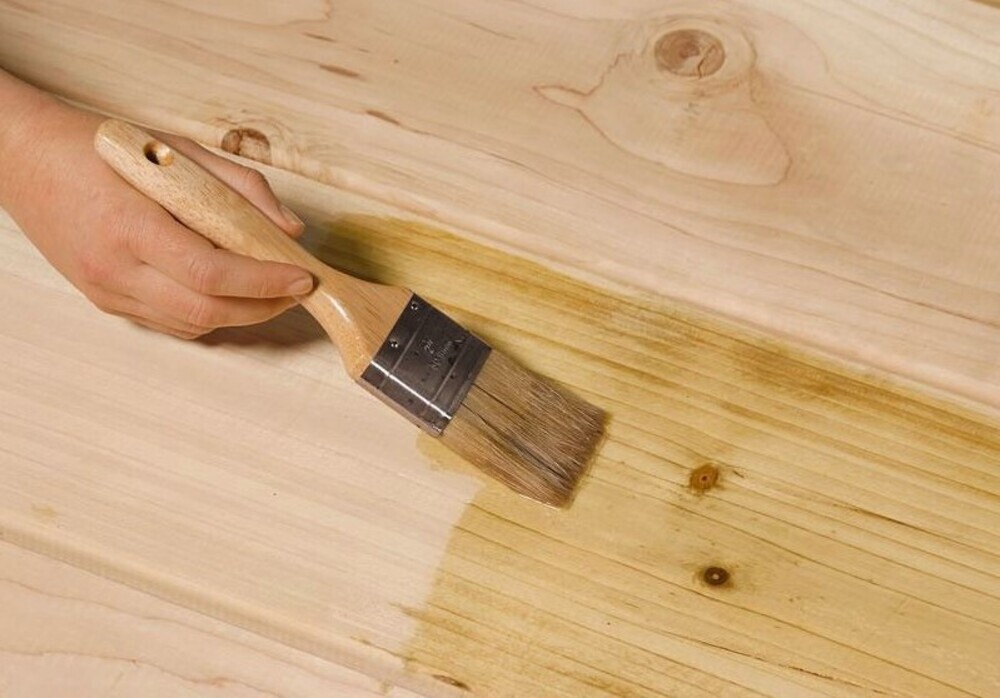
Prior to priming wooden materials, their surface is coated with a special spackling paste to remove all irregularities. Following the application of the first primer coating, roughness may appear on wooden covers because the water swells the wood fibres to create a “fringe” effect. In this case, the surface is sandpapered, and a second primer coating is applied.

As any other medium, a preliminarily prepared primer is tested on a small area of the wall. If the primer is transparent and soaks in fine, this means that the composition is good. After the primer has dried on the test area, try to pry off the film. If it comes off easily, add more water to the composition.

The prepared primer is used in rooms with an optimal air humidity. Water and steam have an adverse effect on the structure and properties of a PVAC-based primer.

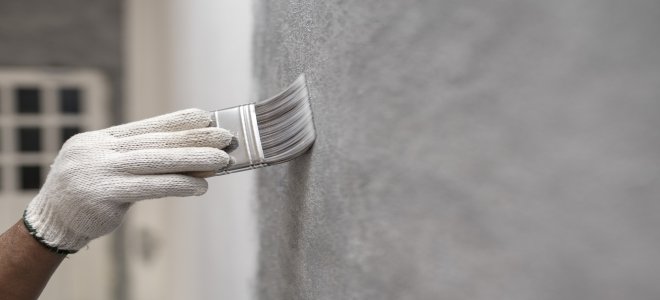
The primer is applied using a brush or roller. The composition is poured into a paint tray to make it spread better over the roller, which is then used to work the flat surfaces. Use a brush to work hard-to-access places. After the first coating has been applied, let it dry for several hours. Next, prime the surface with a second coating and leave it for 24 hours to dry completely.

After the PVAC-based primer has been applied, the walls are ready for painting or hanging wallpaper. The primer helps to apply paint better onto walls, with paint consumption being less. The primer composition can be used on tile-decorated ceilings.

Features of home-prepared PVAC primer

A home-prepared PVAC-based primer can be of good quality only if a good PVAC glue is used. A professionally prepared primer has antimicrobial properties owing to the presence of special agents in the composition. A primer’s antimicrobial property is especially relevant if the primer is used on wooden materials. The properties of a home-made primer can be improved if building chalk or gypsum is added to the composition. The composition obtained is used on surfaces for hanging wallpaper and for decorating with rock or tiles. It is not recommended to apply a primer with added components when

the walls are to be painted because the chalk makes the surface rough. DIY stores often offer primers and spackling pastes that already contain PVAC glue. It is up to you whether to buy an off-the-shelf composition or prepare it yourself, though either way it is important to choose only quality materials to prepare a PVAC-based primer at home or in industrial conditions.

Which PVAC glue to choose for a primer

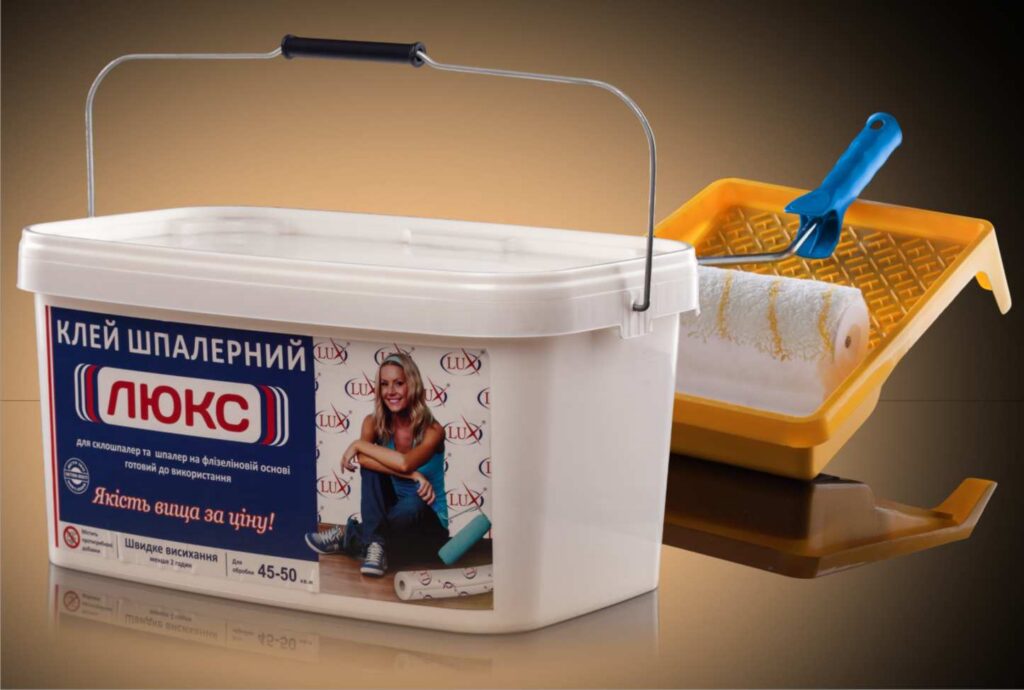
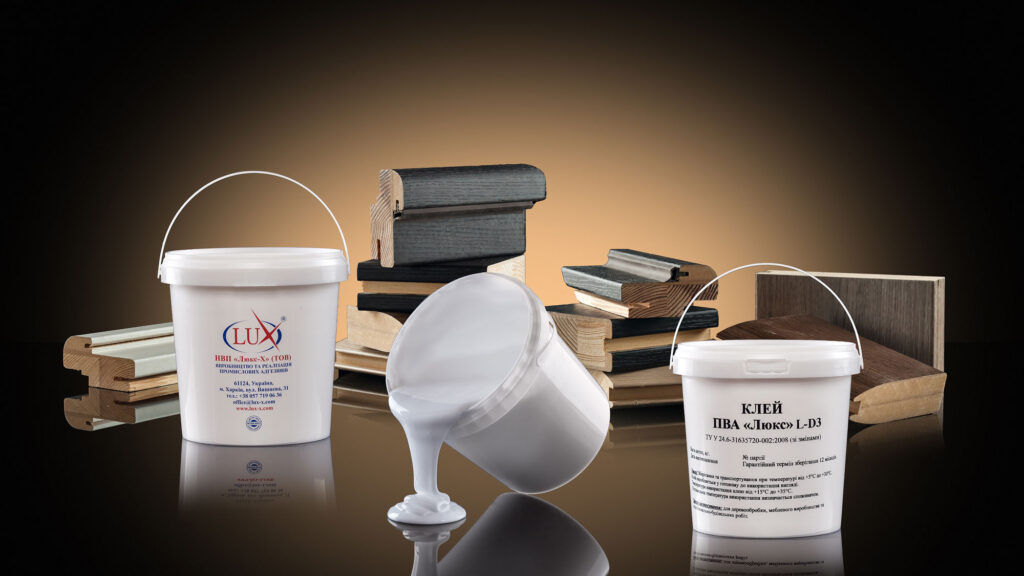
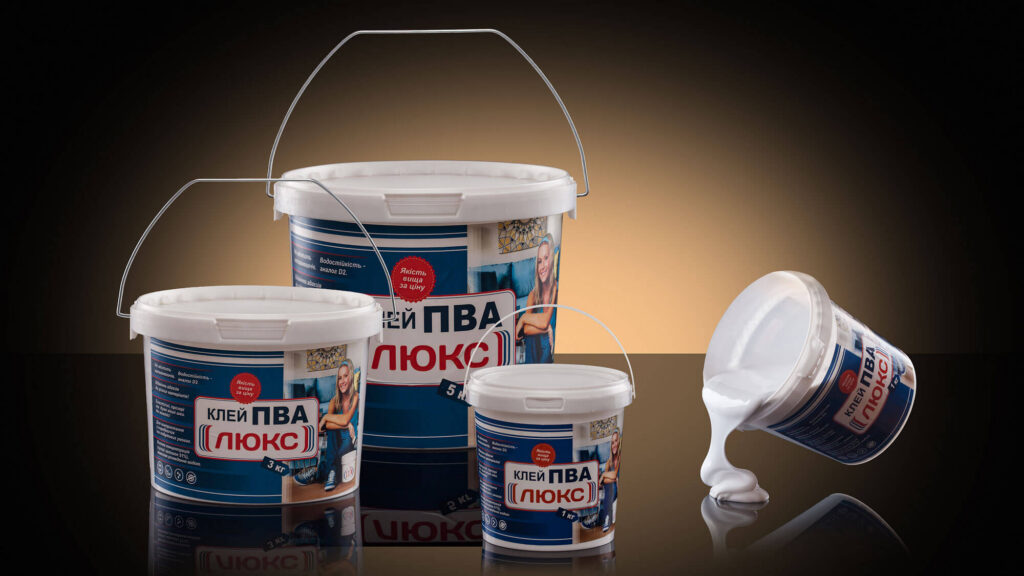
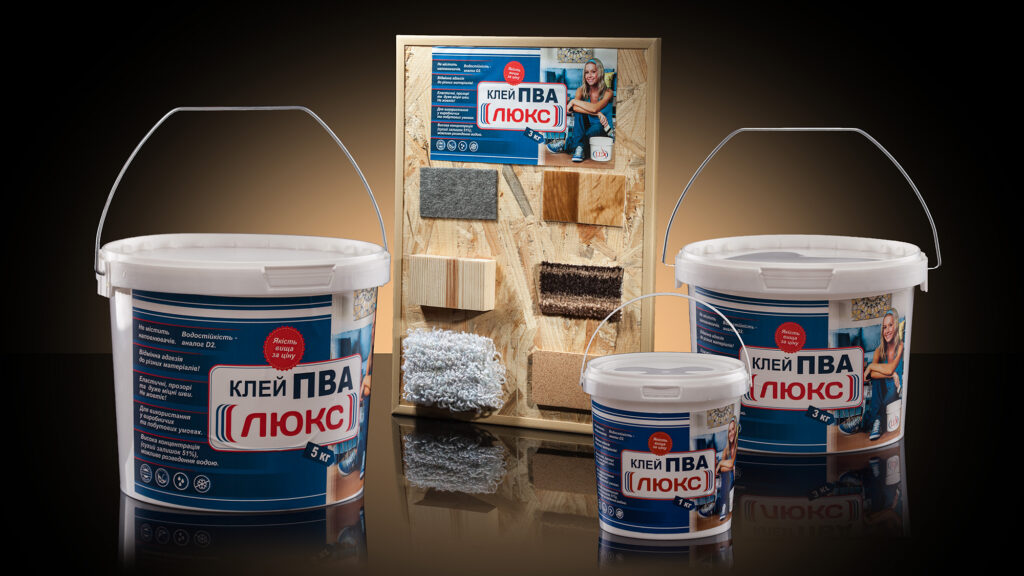
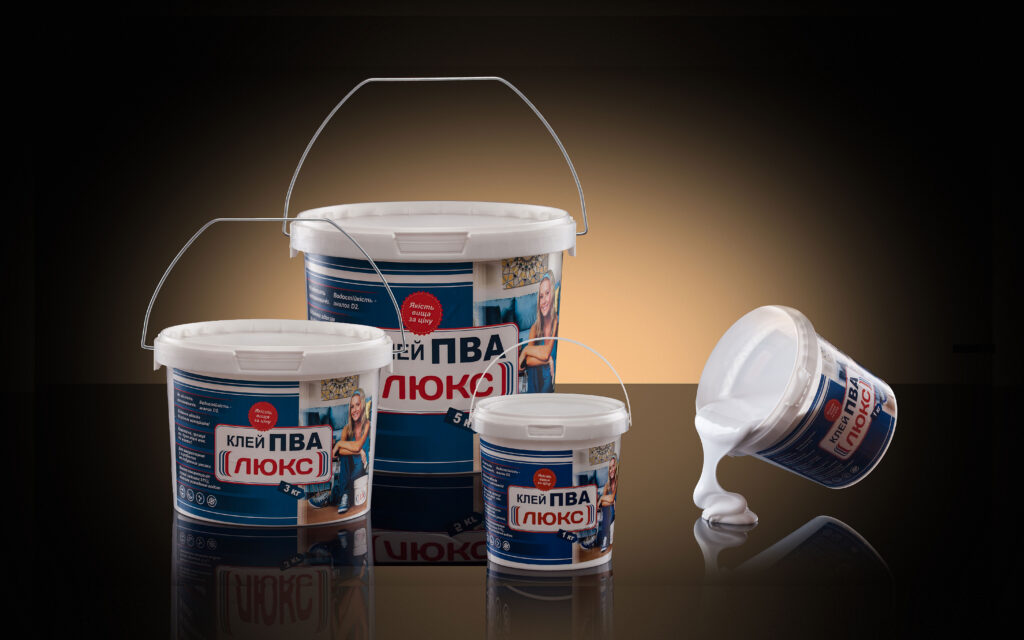
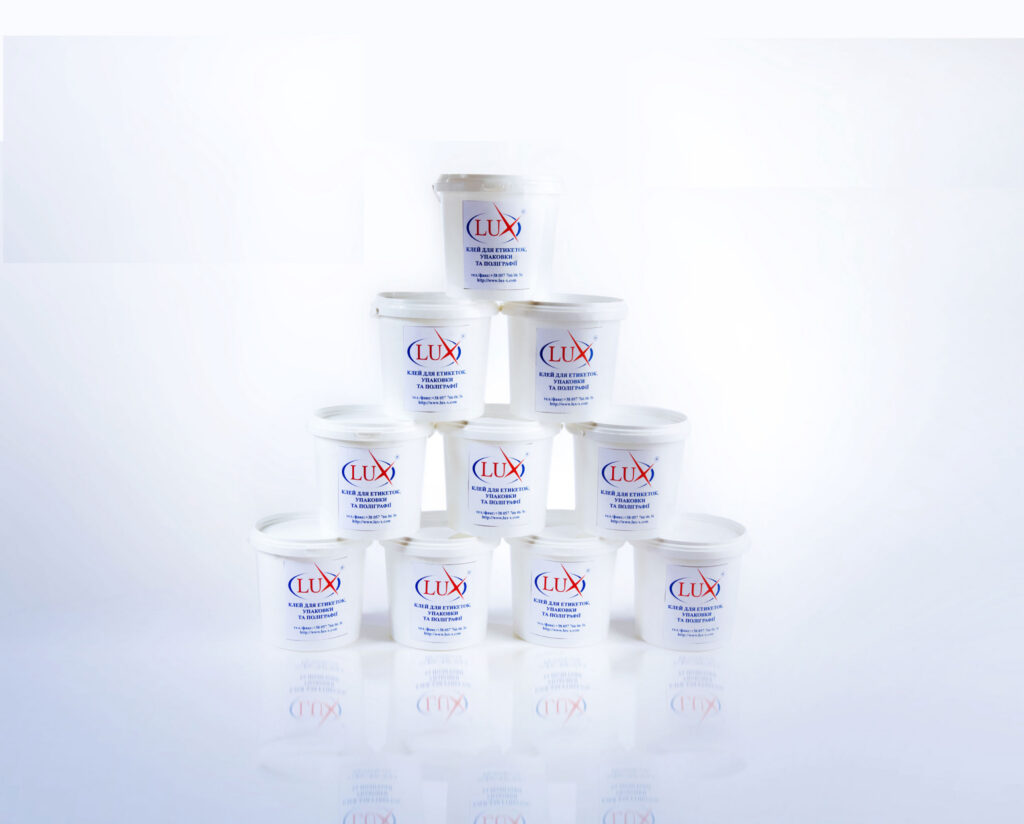
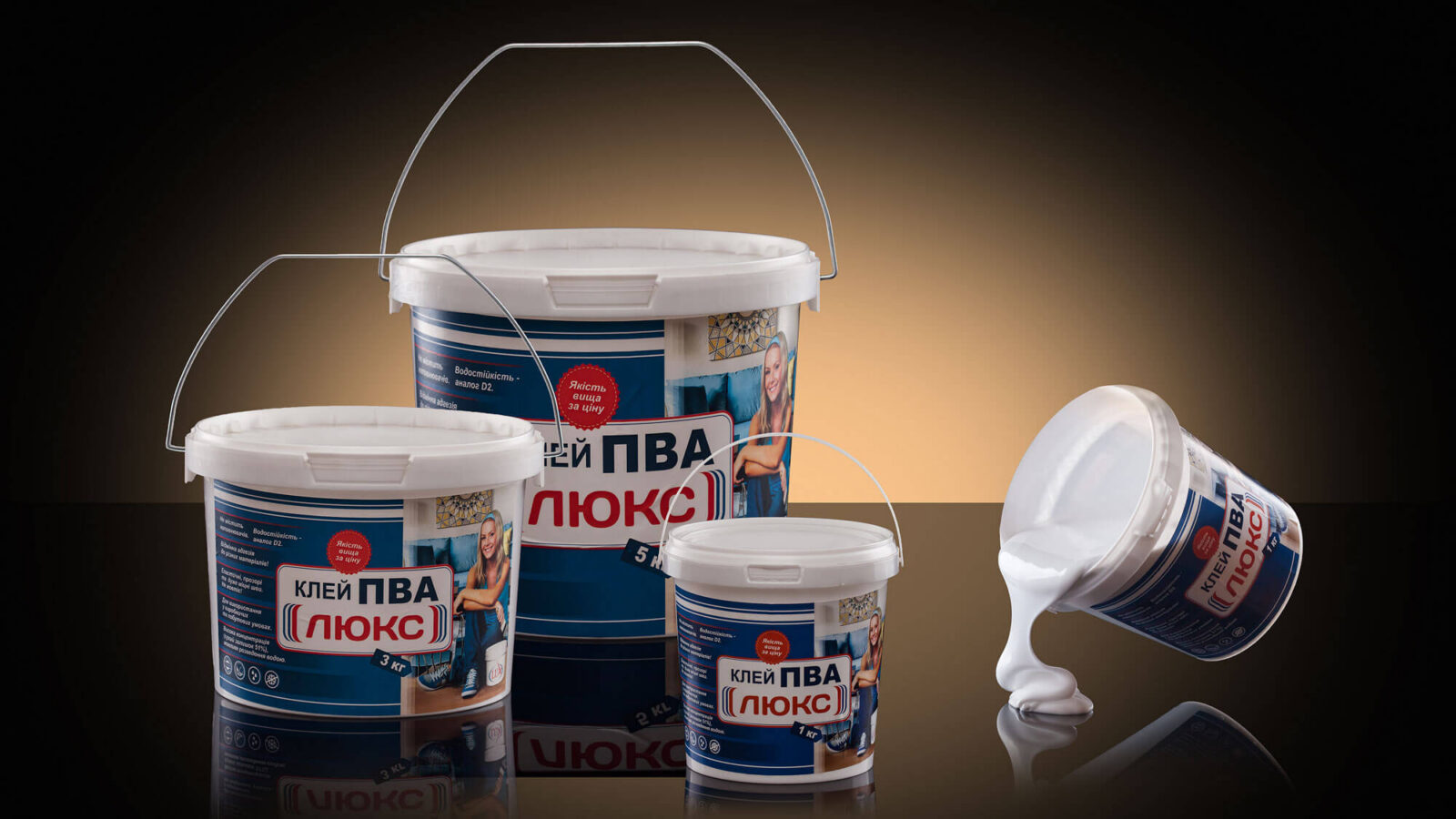
We recommend using Lux PVAC glue to prepare a polyvinyl acetate-based primer used for construction purposes.

 

Advantages of Lux PVAC glue

  • Contains a high concentration of the base substance.
  • Can be diluted with water to a required consistency.
  • High adhesion with different materials.
  • Contains preserving agents.
  • Nontoxic.

Technical properties of Lux PVAC glue

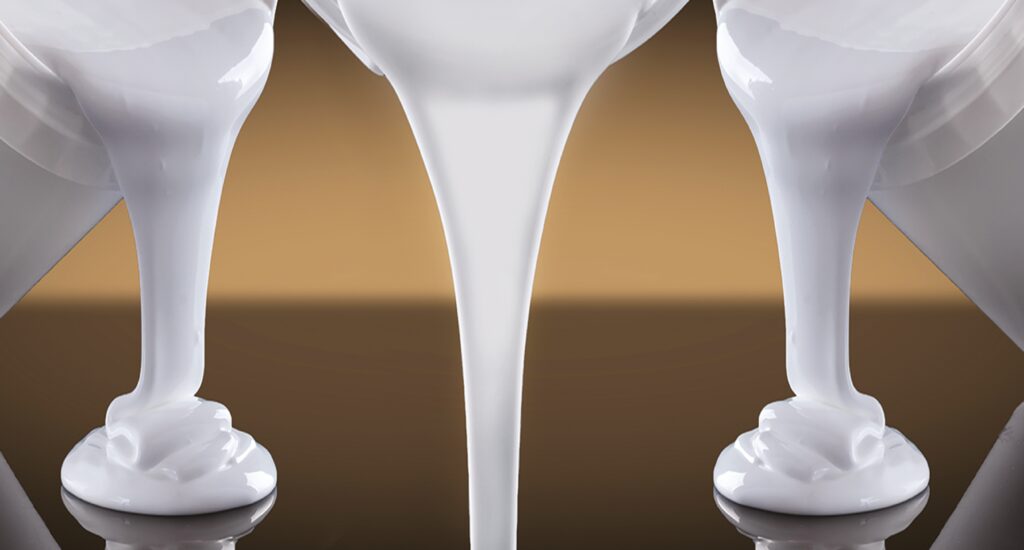
  • White viscous fluid forming a transparent film upon drying.
  • Resistance to external factors.
  • Guaranteed storage term of PVAC glue – one year from the date of production.
  • Glue consumption depends on the application method and the materials being bonded.

Where to buy Lux PVAC glue?

You can buy Lux PVAC glue directly from the producer, Lux-X LLC, or at DIY stores in Kharkiv. Call us at + 38(057)766-06-36 for more information on the product and to order the glue, or use the callback button on the company website to contact us. By calling Lux-X LLC, you will get detailed technical consultations. Delivery is free-of-charge in Ukraine when glue is ordered in industrial-scale quantities.

Olena Skotarenko

Author of the article:

Olena Skotarenko

<p>Marketing Director of the <span class="text-no-wrap">SPE «LUX-X» (LLC)</span></p>

Number of articles: 44

Articles you might like

Vinyl and non-woven wallpaper: application rules of glue

Vinyl and non-woven wallpaper: application rules of glue

A big number of diverse materials for interior and exterior decoration of premises appear on the shelves of building centers every year, meanwhile, an assortment of construction materials for repair work has been rapidly increasing.

Read article
How to use a hot glue gun

How to use a hot glue gun

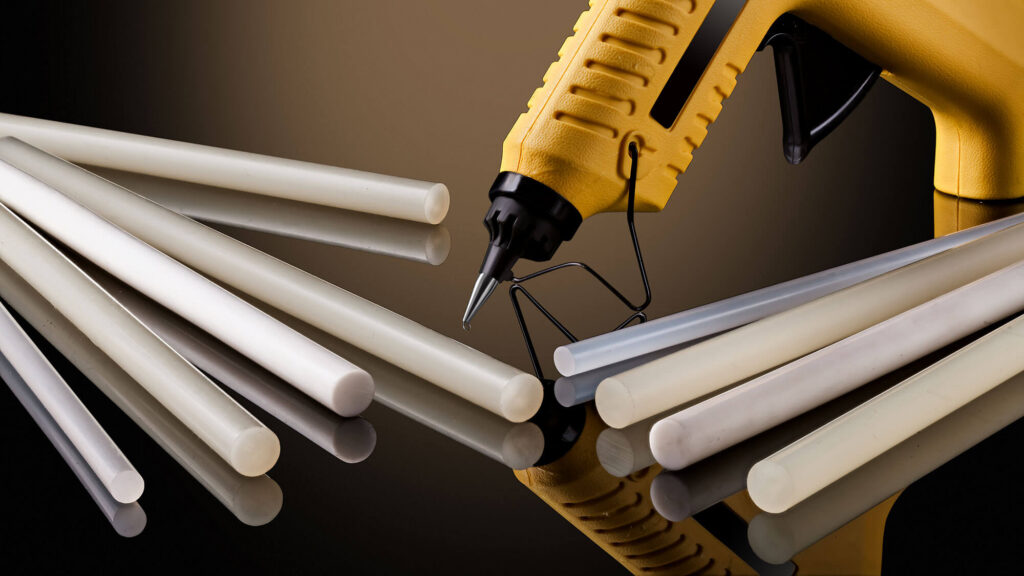
The hot glue gun is a tool used for gluing parts with the help of hot melt glue sticks. The hand-held hot glue gun softens the glue, doses it and applies onto a surface. Such a tool is simple and convenient to use.

Read article
Storing «Lux» adhesives in winter time

Storing «Lux» adhesives in winter time

Dear customers, Scientific and production enterprise “Lux-X” LLC, the largest producer and supplier of industrial adhesives in Ukraine, would like you to pay attention to storage, transportation, handling, application conditions in cold weather. In winter time dispersion adhesives can be delivered only by specially equipped transport, that's why we are asking you to place the orders for shipment of adhesives in advance.

Read article
Types of wood glue. Principles of the right choice

Types of wood glue. Principles of the right choice

Not only ordinary people but professionals often arise a question: which wood glue is best suited for efficient bonding of substrates? To find out what types of glue with their basic characteristics and properties exist, we have prepared this article.

Read article
Glue Sticks: Types, Applications, and Selection Tips

Glue Sticks: Types, Applications, and Selection Tips

Adhesive rods are used in many industries as part of the process of manufacturing and assembling products. In addition, rods are used in everyday life. In decorative arts there is nothing more universal than gluing with a hot glue gun.

Read article
Polyvinyl acetate emulsion: application areas

Polyvinyl acetate emulsion: application areas

PVAc dispersion is polymerized vinyl acetate in water. The widely used PVAc adhesive is produced based on polyvinyl acetate dispersion, plasticizers and other additives. Often PVAc dispersion is called a polyvinyl acetate emulsion.

Read article
Packaging Trends in the Brewery Industry

Packaging Trends in the Brewery Industry

The latest packaging trends for breweries filling glass bottles emphasize sustainability, innovation, and efficiency while maintaining product freshness and enhancing visual appeal.

Read article
How to properly store, apply and dispose of industrial adhesives?

How to properly store, apply and dispose of industrial adhesives?

We are frequently asked about the shelf life of our adhesives, since any raw material has its own use and storage warranty period. Today we will tell you about the recommended storage duration, rules of transportation and disposal of our products: synthetic, semi-synthetic, natural dispersion adhesives, PVAc and hot-melt adhesives. 

Read article
Adhesion and possible problems

Adhesion and possible problems

When bonding any material, regardless of the type of adhesive, the result is important, i.e. the strength of the adhesive line, its resistance to various external influences and its durability. This is due to the adhesive property.

Read article
Concrete impregnation agents: their definition, types and purpose

Concrete impregnation agents: their definition, types and purpose

Concrete is one of the most durable construction materials, which is why it is used to construct military and civilian structures, including shelters, industrial, commercial, administrative buildings, infrastructure, warehouses and residential buildings.

Read article
How to dilute PVAc adhesives: tips to restore their consistency

How to dilute PVAc adhesives: tips to restore their consistency

PVAс glue is considered to be the most famous adhesive for use in everyday life. Schoolchildren and their parents are familiar with PVAс glue mixtures as the best assistant for crafts made of paper, wood and cardboard.

Read article
PVAC adhesive: an all-purpose glue and why is it still popular?

PVAC adhesive: an all-purpose glue and why is it still popular?

PVAC adhesive is one of the best-known and widely used adhesives in the world. Two chemists invented PVAC at the same time: a German and a Korean scientist who worked on the future product separately and in different laboratories.

Read article
What kind of adhesive to use for gluing fabrics?

What kind of adhesive to use for gluing fabrics?

The demand for textile industry products is increasing from year to year. In this skilled trade, it is essential that the products be neat, have an aesthetic appearance, and hold their shape and color after each washing. Hence, it is difficult to do without an adhesive in textile production because not all materials can be joined using a thread and needle.

Read article
Concrete Impregnating Agent: A Guarantee of Reliability and Resistance to Moisture of Civil and Military Structures

Concrete Impregnating Agent: A Guarantee of Reliability and Resistance to Moisture of Civil and Military Structures

Nowadays, civil and military construction cannot do without the building of various defensive structures and fortifications. Their main purpose is to ensure the safety of people and objects, to guarantee the functioning of infrastructure even in extreme conditions, while maintaining its comfortable conditions. That is why concrete is the most important material in civil and military construction.

Read article
PVAcglue’s drying rate for various surfaces

PVAcglue’s drying rate for various surfaces

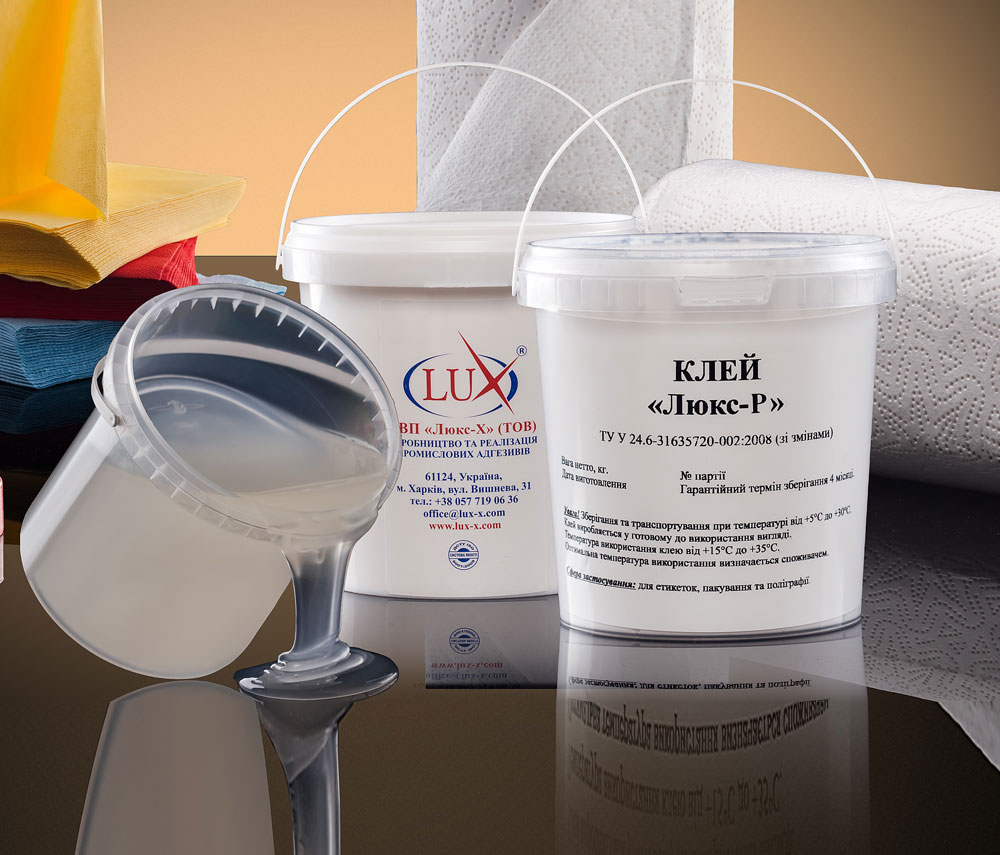
One may wonder, what is the drying time of PVAc glue? The drying time hinges on the quality of glue and the materials the product is made of. This article will be helpful in finding out the drying time of PVAc glue on various surfaces.
Read article
What is used to glue paper and cardboard?

What is used to glue paper and cardboard?

Paper and cardboard are the most popular materials used in making cartons, packets, bags and other containers. An advantage of a paper package is its neat appearance and ecological safety.
Read article
Adhesives used in the production of paper towels and toilet paper

Adhesives used in the production of paper towels and toilet paper

When you think of products that are manufactured with the help of adhesives, the last thing that will come to your mind will be their use in the production of toilet paper, paper napkins or towels. However, adhesives are very important for hygiene products.

Read article
“Lux” brand water-repellent coating for corrugated board manufacturers

“Lux” brand water-repellent coating for corrugated board manufacturers

Scientific and Production Enterprise “Lux-X” (LLC) has presented a new product developed in its own scientific laboratory: The water-repellent coating used in the pulp and paper industry when corrugated board is produced.

Read article
Industrial glue: types, features, composition, application

Industrial glue: types, features, composition, application

In industry, glue began to be massively used with the advent of the first factories. Then adhesives of natural origin were in demand. In the war years, to meet the needs of the army, synthetic adhesives appeared, with which metal, leather, wood, rubber and other materials were bonded.

Read article
Merry Christmas and Happy New Year 2025 !

Merry Christmas and Happy New Year 2025 !

Dear partners and friends! Please accept our sincere congratulations Merry Christmas and Happy New Year 2025!

Read article

Please wait...

We are preparing a reliable adhesive joint.