With what to glue a label onto a plastic bottle

With what to glue a label onto a plastic bottle

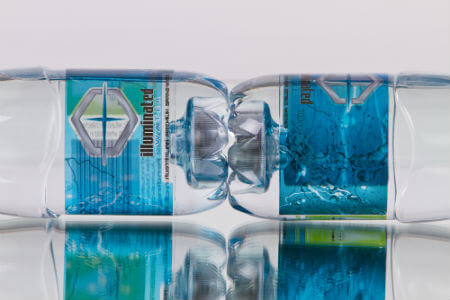
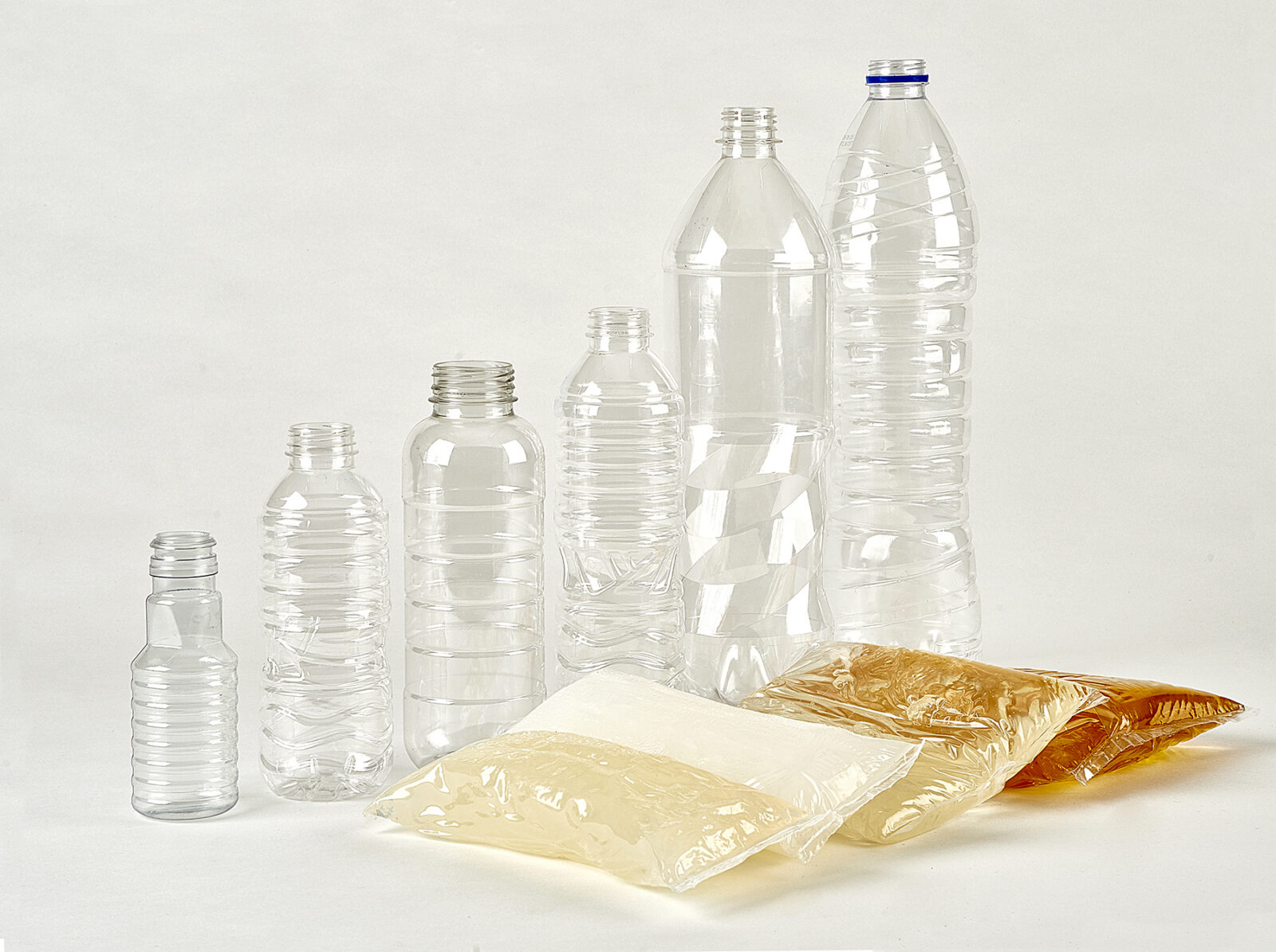
Among the entire variety of packages, polymer containers are in an advantageous position in the food industry. As to environmental friendliness and safety, PET bottles are inferior perhaps only to glass and cardboard packages. The high demand for plastic containers can be seen in the producers of beer, soft drinks and mineral water, as well as of cosmetic and household cleaning products. Producers often use PET containers because of the possibility of varying their design, and due to the ease and convenience of using the material.

According to legislative norms, labelling containers is obligatory, and the label should contain relevant information for consumers. The label is glued onto a package made of different materials: glass, plastics, paper and cardboard. Plastics have specific properties and characteristics; therefore, we recommend a responsible approach to choosing an adhesive to ensure that the label will not crease and will adhere securely to a surface.

Characteristics of an adhesive for PET bottle labels

When dealing with plastic containers, producers choose an adhesive that has the following advantages:

  • Easy adhesive application by the production equipment.
  • High adhesive strength. The adhesive should secure the label firmly on the container during transportation, storage and use.
  • Resistance to moisture and temperature variations.
  • Environmental friendliness and safe usage.
  • Low consumption rate.

Which adhesive is better for a label on a PET bottle

For labelling, water-soluble adhesives based on starch, casein, semisynthetic, and synthetic materials are used. Besides, for industrial applications, hot melt adhesives based on EVA or metallocenes are used. The adhesive is chosen with account of the container material and the label, the goods storage conditions and the parameters of labelling equipment.

The Lux-X LLC adhesives product range includes the following water-soluble brands used for labelling: Lux-С, Lux-Д(D), Lux-К.

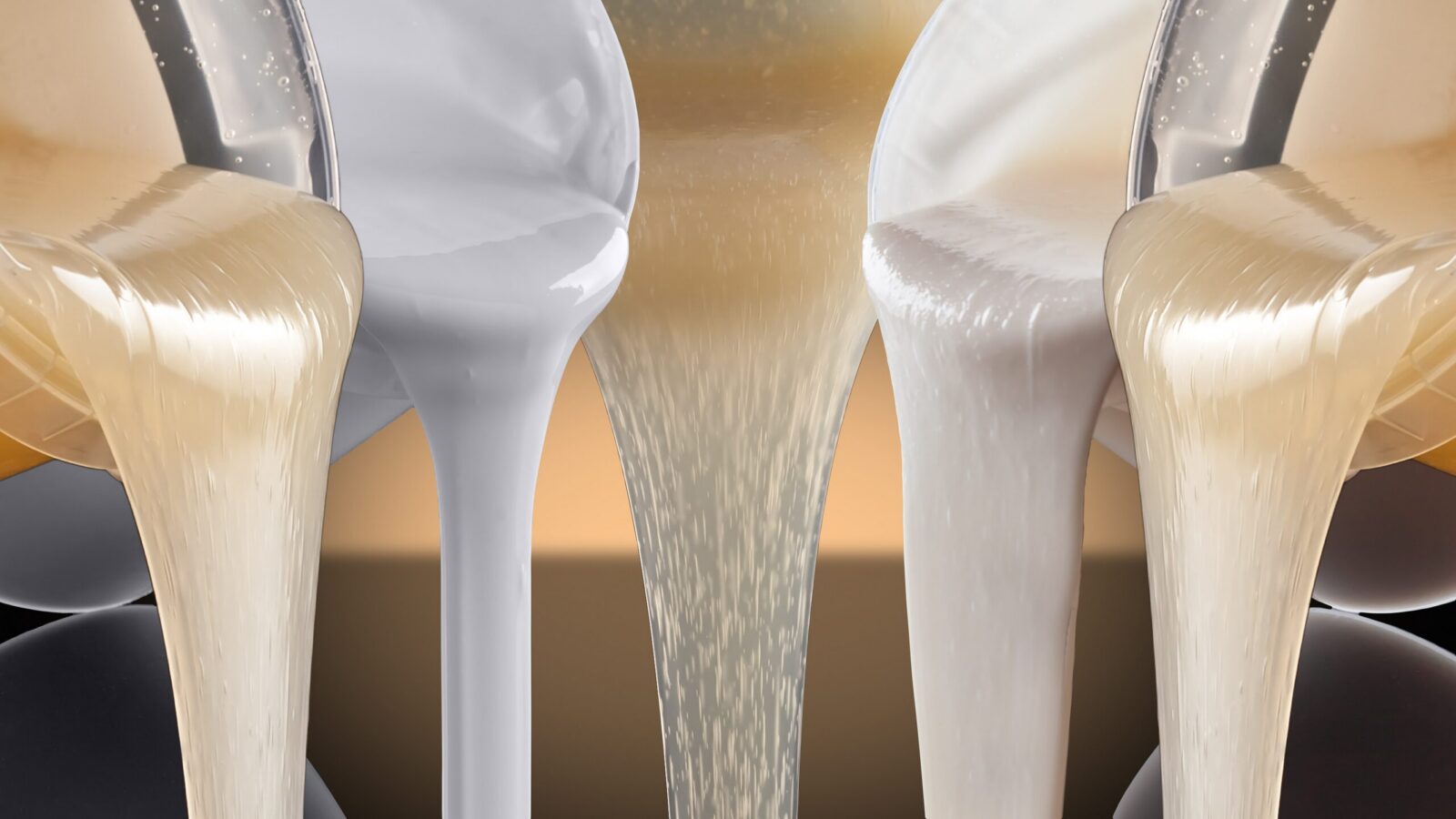
We recommend using synthetic and semisynthetic adhesives of the Lux-K brand for labelling PET bottles. These adhesives have a high capacity for bonding to a polymer surface. They are used for applying segment labels, as well as for overlap or edge-to-edge gluing of labels on PET containers.

The adhesive brands in this group can be used for both manual labelling and in labelling machines of different type with a labelling rate of up to 30,000 bottles per hour.

Properties of water-soluble adhesives for labels:

  • Nontoxic, non-flammable, and the adhesive bond is resistant to ambient conditions;
  • Do not oxidise and damage polymer and metal parts of equipment during operation.
  • To ensure secure label adhesion, it is necessary to choose an adhesive that will match the materials to be bonded and to set up the equipment properly. Otherwise, the following problems may arise:
  • Label ungluing. In this case, check once again the equipment setup, remove possible contamination and, if required, repair worn mechanism parts.
  • Ungluing of label edges. We recommend applying the adhesive evenly onto the surface and adjust adhesive feed from the gluing roller to the pallet. If the labelling process is correct turn to the label maker to make certain that the labels are quality ones.
  • Poor adhesive heating by the pump. Heat the adhesive to the required operating temperature. Use an adhesive with a better viscosity.
  • Adhesive spattering and formation of threads on the surface. We recommend reducing the adhesive consumption rate or upgrading the gluing equipment.

Hot melt adhesives for applying labels onto a plastic bottle

Hot melt adhesives are used for applying labels onto PET bottles that, when filled with carbonated soft drinks, can enlarge in volume.

Prior to being used, the hot melt adhesive is heated to a required temperature for the glue to soften and acquire a viscous composition convenient for use.

Properties of hot melt adhesives used for labelling:

  • Used in high-speed equipment of all types in operating conditions ranging from no-load conditions to 70,000 bottles per hour, with the equipment being kept clean.
  • Used for labelling cold and moist PET bottles.

Hot melt adhesives, as per their composition, are of three types:

  • Rubber-based hot melt pressure-sensitive adhesives (PSA). The adhesive is fit for labelling PET containers, and it is also is used for making self-adhesive labels.
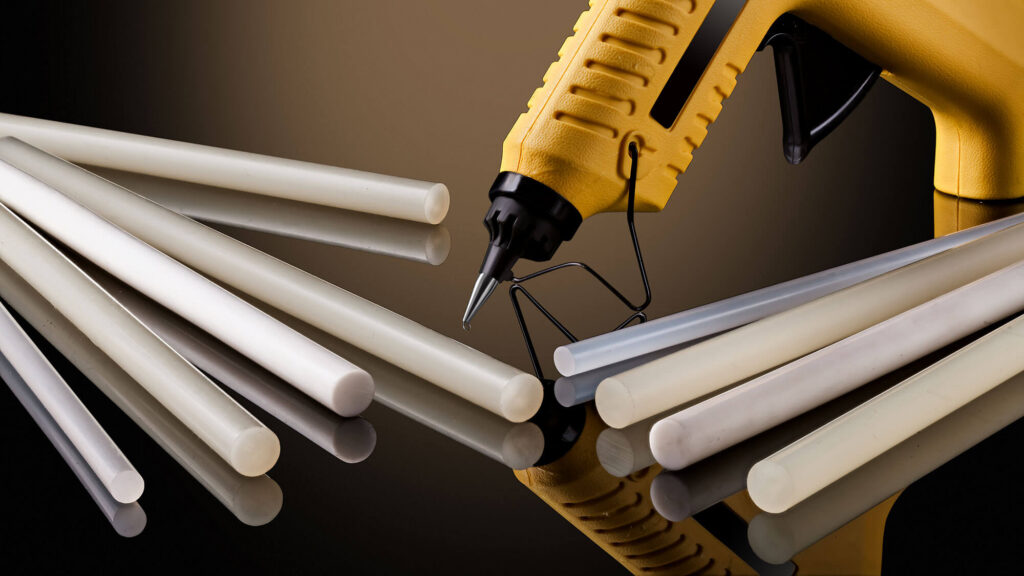
  • Ethylene vinyl acetate (EVA) copolymer-based adhesives are a widely used type of hot-melt adhesive. Depending on the area of application and the material to be glued, the EVA adhesive is produced to a definite formula because the adhesive composition has a direct effect on its properties.
  • Adhesives based on metallocenes or alpha olefins. This adhesive is also known as one with a “self-cleaning effect”. Due to a unique chemical composition, the adhesive leaves no deposits, and the gluing equipment remains clean. These adhesives have no fillers and their consumption rate is lower than that of EVA-based adhesives due to a high content of basic components responsible for the glue adhesion.

How to choose an adhesive for labelling PET containers?

You can buy an adhesive for labelling plastic bottles directly from the producer Lux-X LLC by calling the number +38 (057) 766 06 36 or by filling in the feedback form on the lux-x.com website. Company specialists will help you choose a quality adhesive among the big variety of adhesives. When ordering an adhesive in industrial-scale volumes delivery is free-of-charge in Kharkiv and in other cities in Ukraine.

Olena Skotarenko

Author of the article:

Olena Skotarenko

<p>Marketing Director of the <span class="text-no-wrap">SPE «LUX-X» (LLC)</span></p>

Number of articles: 44

Articles you might like

Vinyl and non-woven wallpaper: application rules of glue

Vinyl and non-woven wallpaper: application rules of glue

A big number of diverse materials for interior and exterior decoration of premises appear on the shelves of building centers every year, meanwhile, an assortment of construction materials for repair work has been rapidly increasing.

Read article
How to use a hot glue gun

How to use a hot glue gun

The hot glue gun is a tool used for gluing parts with the help of hot melt glue sticks. The hand-held hot glue gun softens the glue, doses it and applies onto a surface. Such a tool is simple and convenient to use.
Read article
Storing «Lux» adhesives in winter time

Storing «Lux» adhesives in winter time

Dear customers, Scientific and production enterprise “Lux-X” LLC, the largest producer and supplier of industrial adhesives in Ukraine, would like you to pay attention to storage, transportation, handling, application conditions in cold weather. In winter time dispersion adhesives can be delivered only by specially equipped transport, that's why we are asking you to place the orders for shipment of adhesives in advance.

Read article
Types of wood glue. Principles of the right choice

Types of wood glue. Principles of the right choice

Not only ordinary people but professionals often arise a question: which wood glue is best suited for efficient bonding of substrates? To find out what types of glue with their basic characteristics and properties exist, we have prepared this article.

Read article
Glue Sticks: Types, Applications, and Selection Tips

Glue Sticks: Types, Applications, and Selection Tips

Adhesive rods are used in many industries as part of the process of manufacturing and assembling products. In addition, rods are used in everyday life. In decorative arts there is nothing more universal than gluing with a hot glue gun.

Read article
Polyvinyl acetate emulsion: application areas

Polyvinyl acetate emulsion: application areas

PVAc dispersion is polymerized vinyl acetate in water. The widely used PVAc adhesive is produced based on polyvinyl acetate dispersion, plasticizers and other additives. Often PVAc dispersion is called a polyvinyl acetate emulsion.

Read article
Packaging Trends in the Brewery Industry

Packaging Trends in the Brewery Industry

The latest packaging trends for breweries filling glass bottles emphasize sustainability, innovation, and efficiency while maintaining product freshness and enhancing visual appeal.

Read article
How to properly store, apply and dispose of industrial adhesives?

How to properly store, apply and dispose of industrial adhesives?

We are frequently asked about the shelf life of our adhesives, since any raw material has its own use and storage warranty period. Today we will tell you about the recommended storage duration, rules of transportation and disposal of our products: synthetic, semi-synthetic, natural dispersion adhesives, PVAc and hot-melt adhesives. 

Read article
Adhesion and possible problems

Adhesion and possible problems

When bonding any material, regardless of the type of adhesive, the result is important, i.e. the strength of the adhesive line, its resistance to various external influences and its durability. This is due to the adhesive property.

Read article
Concrete impregnation agents: their definition, types and purpose

Concrete impregnation agents: their definition, types and purpose

Concrete is one of the most durable construction materials, which is why it is used to construct military and civilian structures, including shelters, industrial, commercial, administrative buildings, infrastructure, warehouses and residential buildings.

Read article
How to dilute PVAc adhesives: tips to restore their consistency

How to dilute PVAc adhesives: tips to restore their consistency

PVAс glue is considered to be the most famous adhesive for use in everyday life. Schoolchildren and their parents are familiar with PVAс glue mixtures as the best assistant for crafts made of paper, wood and cardboard.

Read article
PVAC adhesive: an all-purpose glue and why is it still popular?

PVAC adhesive: an all-purpose glue and why is it still popular?

PVAC adhesive is one of the best-known and widely used adhesives in the world. Two chemists invented PVAC at the same time: a German and a Korean scientist who worked on the future product separately and in different laboratories.

Read article
What kind of adhesive to use for gluing fabrics?

What kind of adhesive to use for gluing fabrics?

The demand for textile industry products is increasing from year to year. In this skilled trade, it is essential that the products be neat, have an aesthetic appearance, and hold their shape and color after each washing. Hence, it is difficult to do without an adhesive in textile production because not all materials can be joined using a thread and needle.

Read article
Concrete Impregnating Agent: A Guarantee of Reliability and Resistance to Moisture of Civil and Military Structures

Concrete Impregnating Agent: A Guarantee of Reliability and Resistance to Moisture of Civil and Military Structures

Nowadays, civil and military construction cannot do without the building of various defensive structures and fortifications. Their main purpose is to ensure the safety of people and objects, to guarantee the functioning of infrastructure even in extreme conditions, while maintaining its comfortable conditions. That is why concrete is the most important material in civil and military construction.

Read article
PVAcglue’s drying rate for various surfaces

PVAcglue’s drying rate for various surfaces

One may wonder, what is the drying time of PVAc glue? The drying time hinges on the quality of glue and the materials the product is made of. This article will be helpful in finding out the drying time of PVAc glue on various surfaces.

Read article
What is used to glue paper and cardboard?

What is used to glue paper and cardboard?

Paper and cardboard are the most popular materials used in making cartons, packets, bags and other containers. An advantage of a paper package is its neat appearance and ecological safety.

Read article
Adhesives used in the production of paper towels and toilet paper

Adhesives used in the production of paper towels and toilet paper

When you think of products that are manufactured with the help of adhesives, the last thing that will come to your mind will be their use in the production of toilet paper, paper napkins or towels. However, adhesives are very important for hygiene products.

Read article
“Lux” brand water-repellent coating for corrugated board manufacturers

“Lux” brand water-repellent coating for corrugated board manufacturers

Scientific and Production Enterprise “Lux-X” (LLC) has presented a new product developed in its own scientific laboratory: The water-repellent coating used in the pulp and paper industry when corrugated board is produced.

Read article
Industrial glue: types, features, composition, application

Industrial glue: types, features, composition, application

In industry, glue began to be massively used with the advent of the first factories. Then adhesives of natural origin were in demand. In the war years, to meet the needs of the army, synthetic adhesives appeared, with which metal, leather, wood, rubber and other materials were bonded.

Read article
Merry Christmas and Happy New Year 2025 !

Merry Christmas and Happy New Year 2025 !

Dear partners and friends! Please accept our sincere congratulations Merry Christmas and Happy New Year 2025!

Read article

Please wait...

We are preparing a reliable adhesive joint.