Adhesives for Challenging Packaging Applications
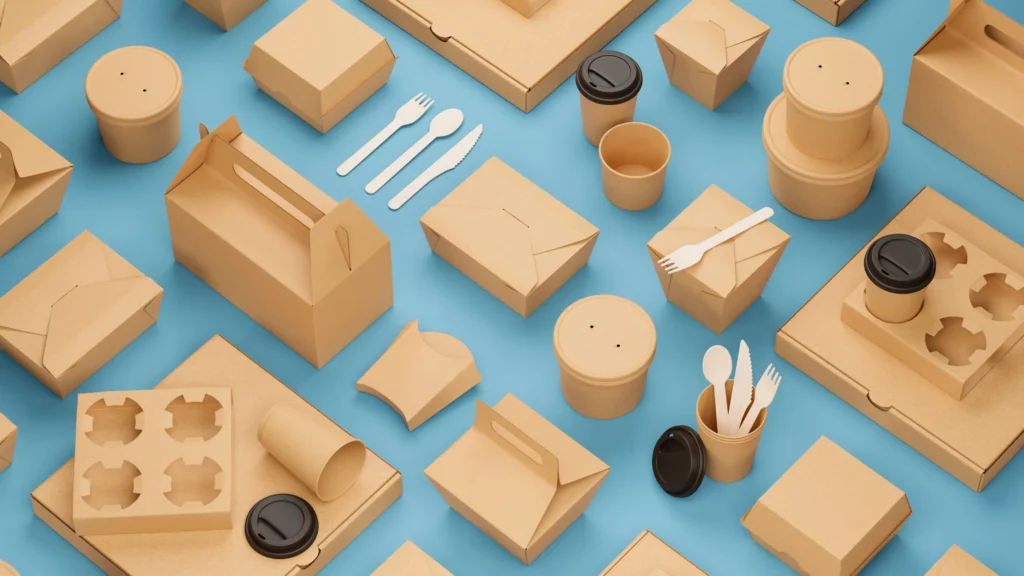
The food packaging industry is home to a variety of packaging, from high glosses that boost shelf appeal to wax boxes that increase functionality. While these unique packaging materials offer a competitive edge in the food industry, they are much more difficult to adhere to and often require specialized adhesives.
Without the right adhesive, you may face pop-opens and other sealing failures, increasing the amount of money and time spent on rework and scrap. By working with their adhesive suppliers, adhesive users can ensure they are using the right product for their packaging application.
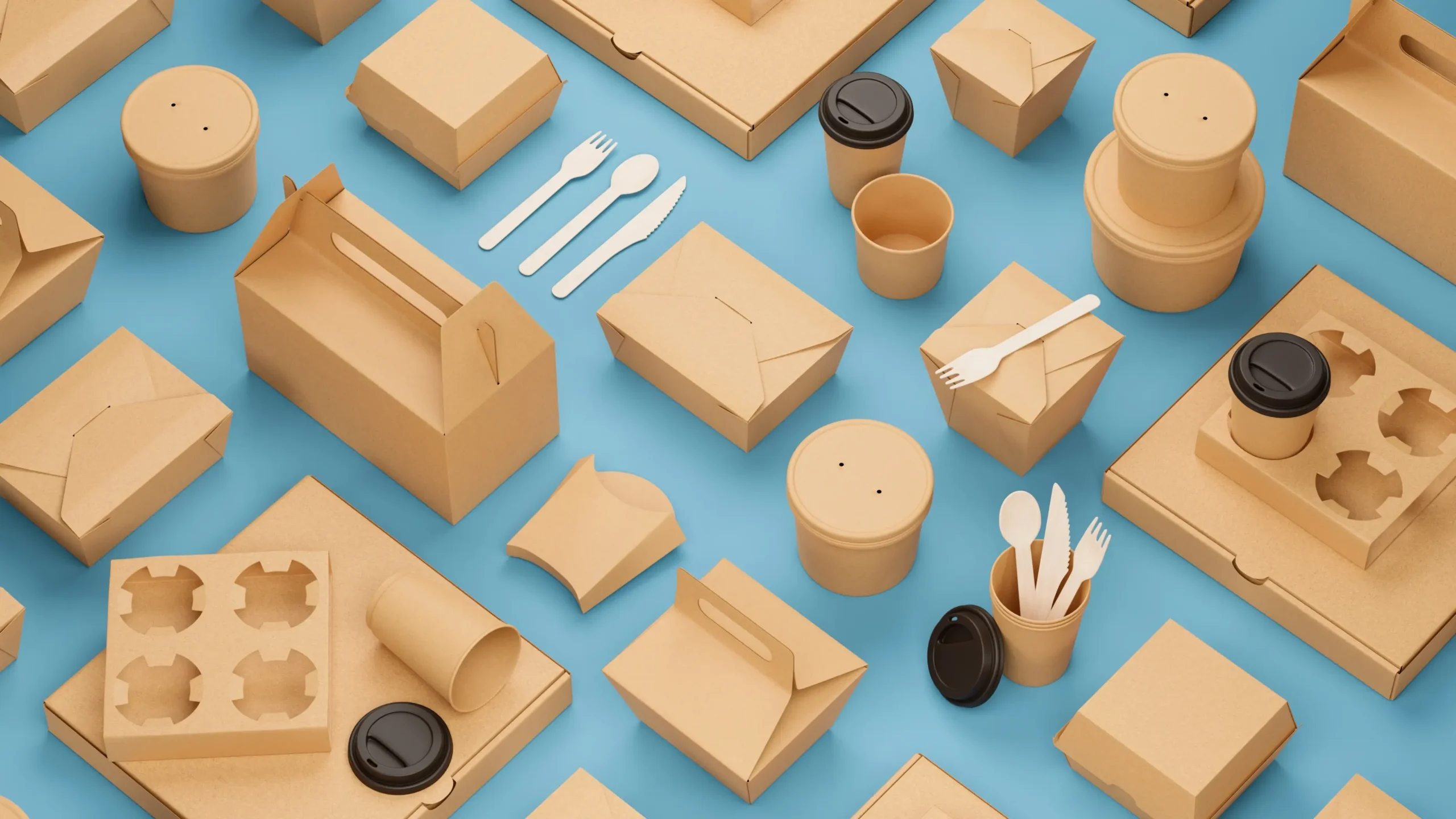
In this article, we focus on various types of packaging applications and the adhesive solutions we have developed for these applications.
Packaging adhesive challenges
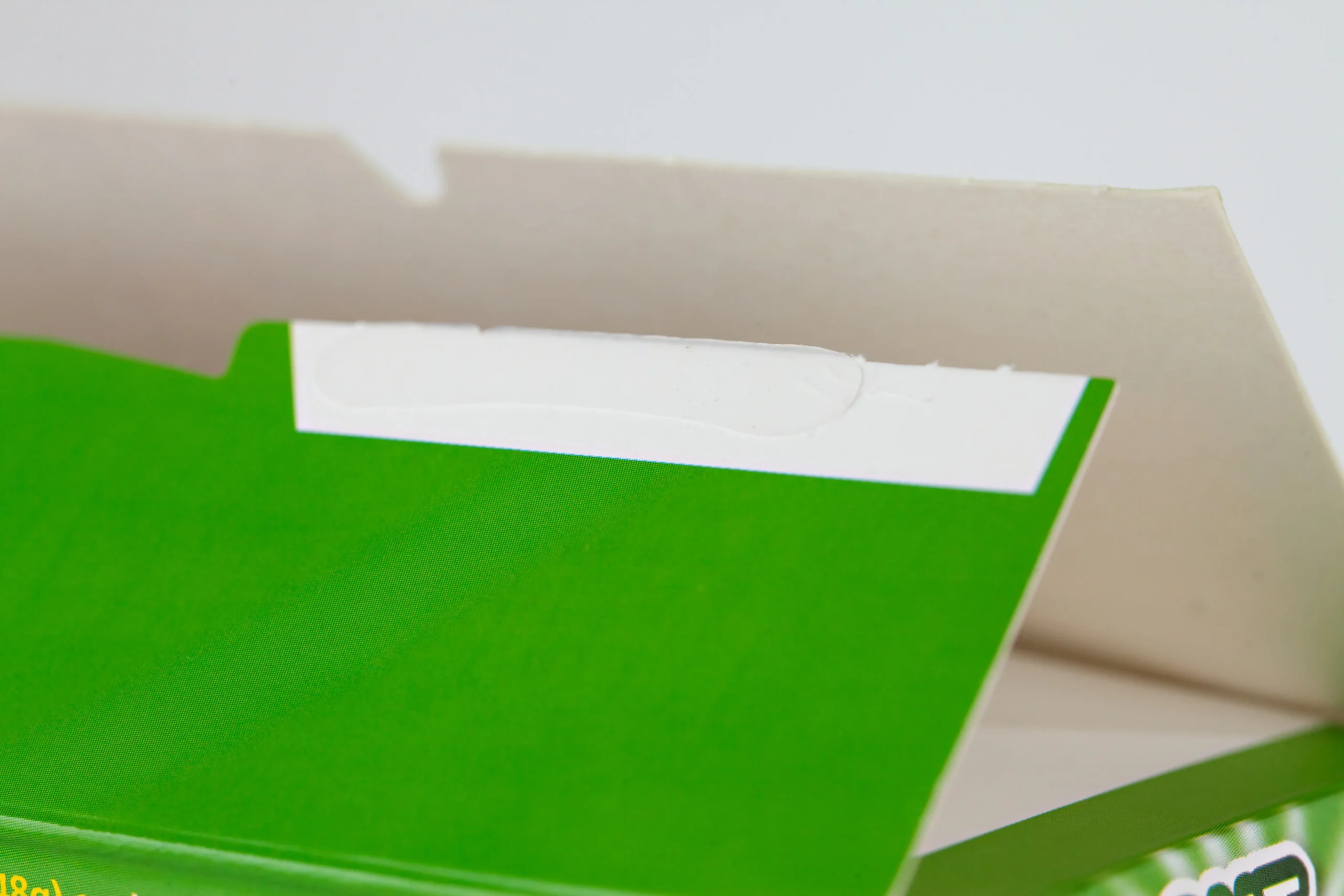
To create any type of packaging, an adhesive is applied to one side of the substrate and needs to “penetrate” the fibres so that when both sides are pressed together, they form a bond. It can become difficult when the adhesive is not able to penetrate the fibres of the board, this can be due to an applied plastic, waterproof, or wax coating. The purpose of the coating is to stop liquids from penetrating the board and since a hot melt adhesive is a liquid, it can stop it from bonding the board together.
Another challenge that can occur stems from the “memory” of packaging, for example, consumer packaging is normally made of single or double-fluted corrugated boards which gives the container its strength and rigidity. However, this does mean that the boards have a lot of memory, which can lead to them wanting to pop back into their original form. This could happen if the adhesive bond is not strong enough.
Hard-to-bond types of packaging materials
Here are three different types of hard-to-bond paper stocks you might be using for your packaging:
- Wax coatings or wax impregnated;
- Recycled content;
- High-gloss coatings.
There is tips on how you can get better bonds.
1. Wax coatings or wax impregnated
Poultry, seafood, produce and other perishable food items can get messy during shipping, which is why these products require a special packaging solution to ensure they safely reach their destination. Boxes coated or impregnated with wax are commonly used for these types of foods.
Wax is curtain coated or impregnated into various paper stocks to act as a moisture barrier between the paper fibers and food product. In curtain coated boxes, the wax is concentrated only on the surface of the paper stock, making it difficult for an adhesive to penetrate to the fibers and form a bond.
Wax-impregnated boxes contain wax throughout their fibers. Although these boxes have a higher wax content, the wax is not as concentrated on the top layer, making it slightly easier to bond.
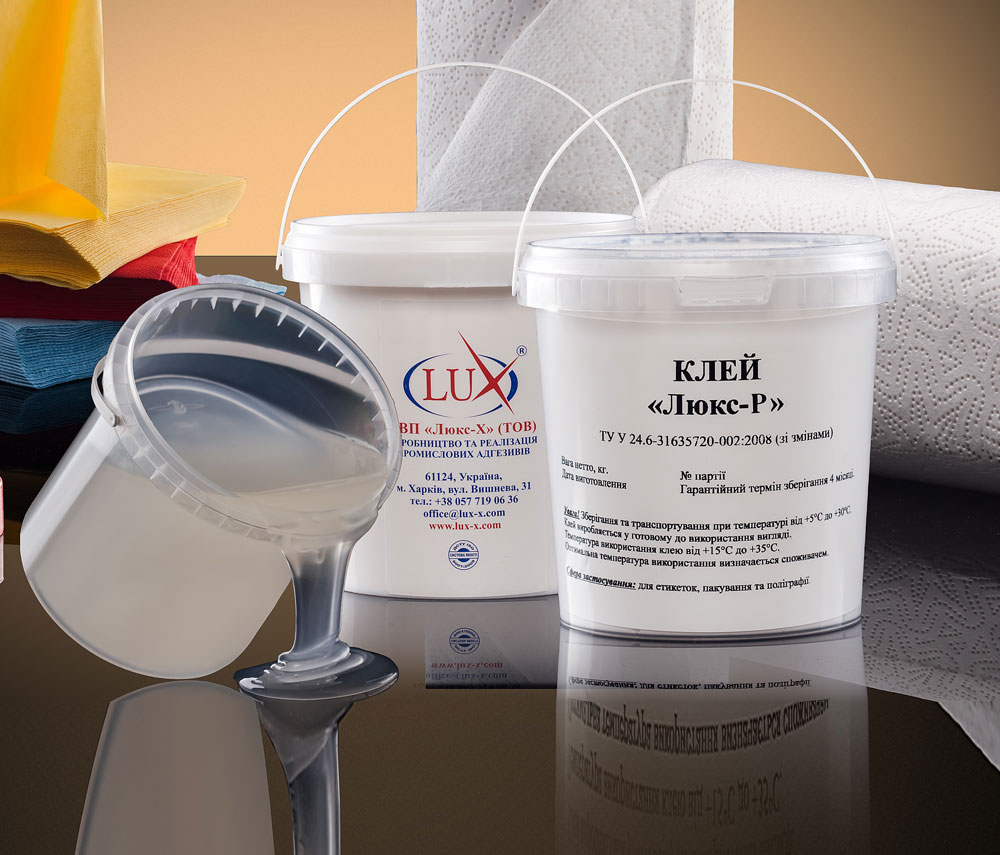
For these types of packaging, we would recommend an adhesive with a long open time, enabling it to penetrate through the wax and form a full fiber-tearing bond. These are adhesives of the brands “LUX-R” S-90D or EV-5F.
2. Recycled content
Did you know that corrugated is the most-recycled packaging material on earth? In fact, the average corrugated box consists of 46% recycled fiber.
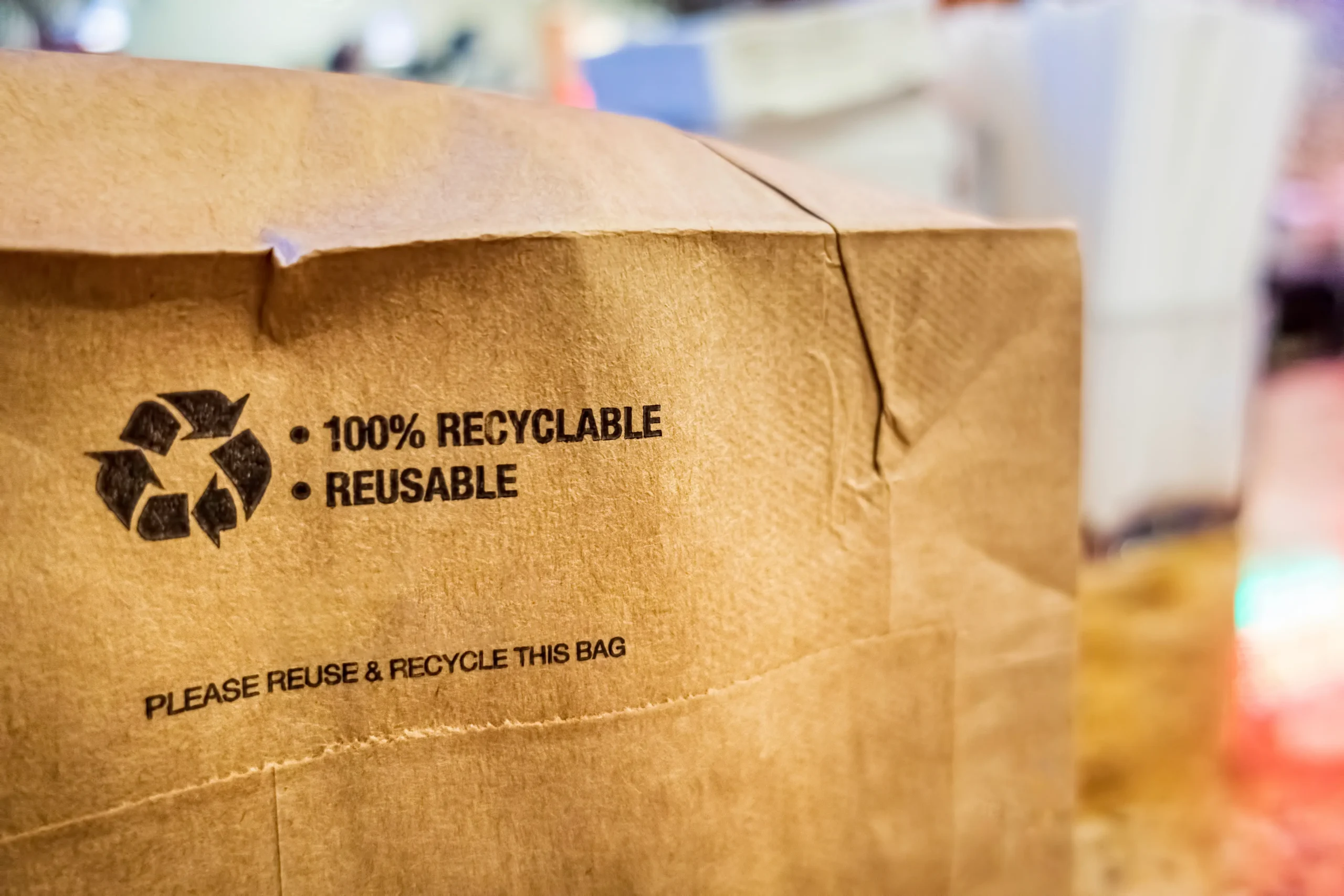
Just about every product under the sun is shipped using corrugated packaging. It”s rare to find corrugated that isn”t recycled, especially with the prominence of sustainable packaging. Although good for the environment, recycled fibers are more difficult to bond than virgin.
Recycled corrugated is manufactured by breaking down previously used paper and corrugated into pulp, removing contaminants and then reforming into new boxes. The breakdown process means recycled fibers are shorter and more compact than the original fibers, making it harder for adhesives to penetrate and form a good mechanical bond.
Virgin corrugated is less dense due to the longer interwoven fibers allowing adhesive to better wet out and form a bond. Like a tree growing roots in clay versus aerated soil, adhesives can form their “roots” easier on virgin fibers, than on dense recycled fibers.
More commonly, we are seeing adhesive users working closely with their suppliers so that they can pinpoint a specific adhesive – from the many available – to seal their recycled corrugated packaging. Such products include adhesives from the LUX-R line, for example: R-2, R-10, R-20, R-42S, ECO-34D or ECO-40D.
3. High-gloss coatings
High gloss, colourful packaging tends to stand out on store shelves and is eye-catching to consumers. Although this type of packaging attracts shoppers and differentiates itself from competitors, its high gloss surface (whether it is polyethylene, polypropylene, metallized or something else) is difficult to bond, often requiring a specialized adhesive.
The smoothness and often low surface energy of a high-gloss carton makes it difficult for adhesives to “wet out” and penetrate the surface. Unlike traditional corrugated adhesion, the hot melt doesn”t bond like a tree forming roots in the ground; rather, the chemical bond behaves more like a magnet. The two materials are attracted to each other because of their chemical make-up, not the mechanical adhesion of a root.
When adhering a high-gloss paper stock, we recommend working closely with your adhesive supplier since this particular application requires a specific hot melt with the ability to form a chemical bond to the surface of these high gloss paper stocks. Such products include adhesives from the LUX-R line, for example: R-2, R-10, R-20, R-42S, ECO-34D or ECO-40D.
What hot melts can be used for different types of hard-to-bond packaging?
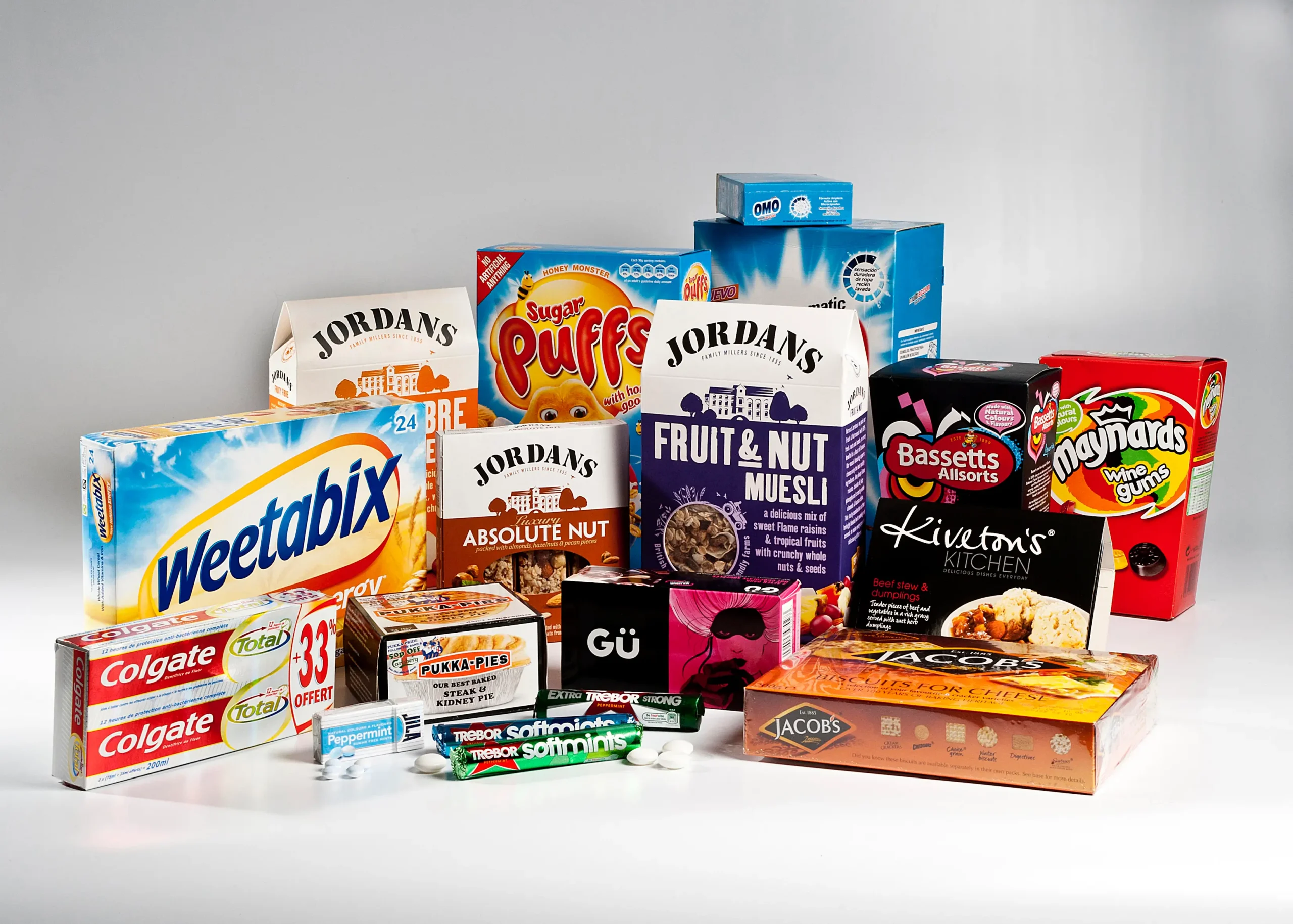
Carton sealing is generally used to pack food or other consumer items like cereal, frozen pizzas, and toothpaste, for example. Often, they are easy to bond, though a lot of cartons are printed on and the inks and/or coatings can lead to bonding difficulties. Some packages have certain areas with no print/coating, the so-called “reserve area”, which makes it easier to bond the boards as this allows the adhesive to make good contact with the board fibres.
We have adhesives that can either penetrate the boards through the ink / coatings or that can bond the lining on the other side of the board, so it sticks the two together, relying on the high adhesion rather than having to penetrate the board. Examples of adhesives that are suitable for carton sealing are BAMFutura 44, BAMFutura 51, and BAMFutura 55.
Case sealing is commonly used to package cartons for delivery. The boards are normally single or double-fluted corrugated board, which gives the case the strength and rigidity that it needs as they are often used for delivering consumer products. Due to the strength and rigidity of the boards they can have a lot of “memory” which can be challenging to bond. To make sure this doesn”t happen the adhesive needs to provide a strong bond; adhesives that are suitable for case sealing include BAMFutura 1K, BAMFutura 12 and BAMFutura 60.
Tray erection is most commonly used to package fresh produce. The boards that are used for this type of application tend to be very rigid and have a wax coating depending on what they are used for. As explained before, stiffer boards tend to have more memory, putting additional stress on the adhesive bond. However, this is not the only challenge for this application. Often, the packaging is used in warm and humid environments which means that there is a chance a hot melt can get soft if it doesn”t have the right heat resistance. Therefore, it is important that you choose an adhesive that can do both; bond the wax-coated board together and have good high-temperature resistance. The adhesives that are suitable to use for this application are BAM 2500 and BAMFutura 44 and BAMFutura 45 as they have the right high heat resistance and provide the necessary bond strength.
How to choose adhesive for chard-to-bond packaging?
As with all of the hard-to-bond coatings, we cannot stress enough the importance of working with NPP “LUX-X” adhesive supplier to help you find the right solution that will work for your specific application, whether it is bonding wax boxes, recycled corrugated, high-gloss or clay-coated paper stock. Having a trusting relationship with your adhesive supplier will set the foundation in optimizing your overall packaging process.
If you would like more information on our packaging adhesives, please send your enquiry to our web-site lux-x.com or call to us +38 (068) 766-06-36 and one of our adhesive specialists will be in touch.