What does PVAC stand for and what is it made of?

What does PVAC stand for and what is it made of?

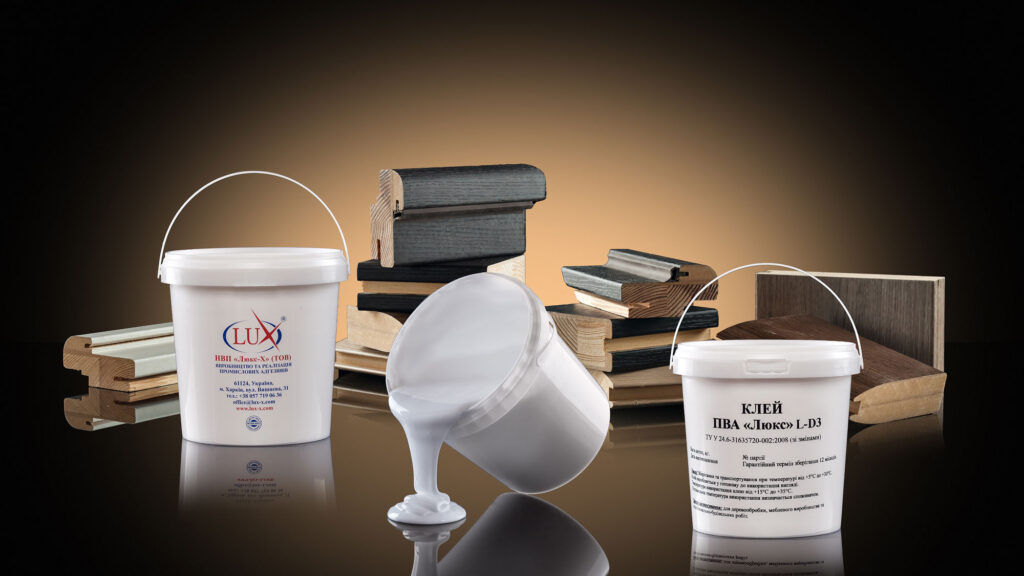
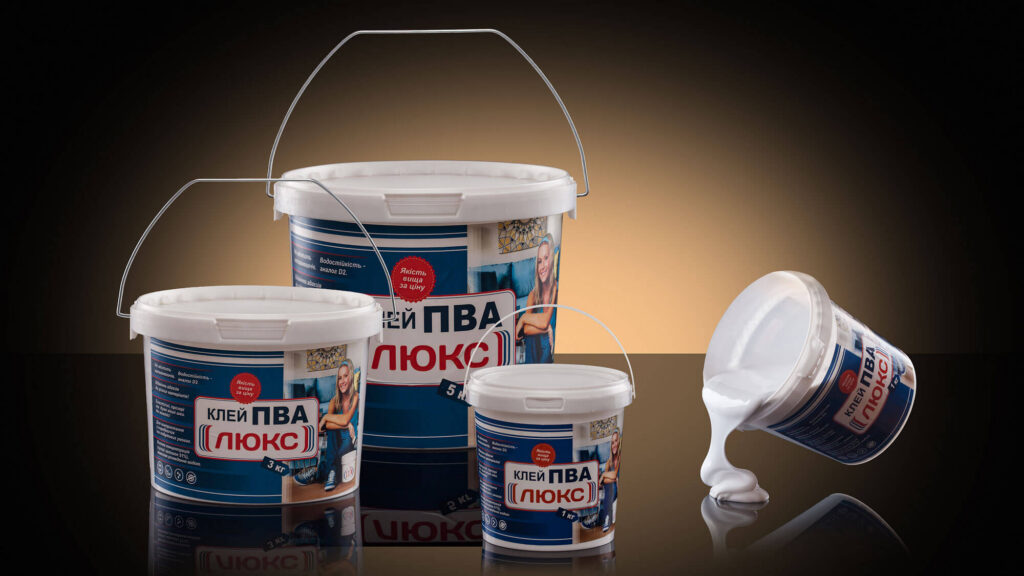
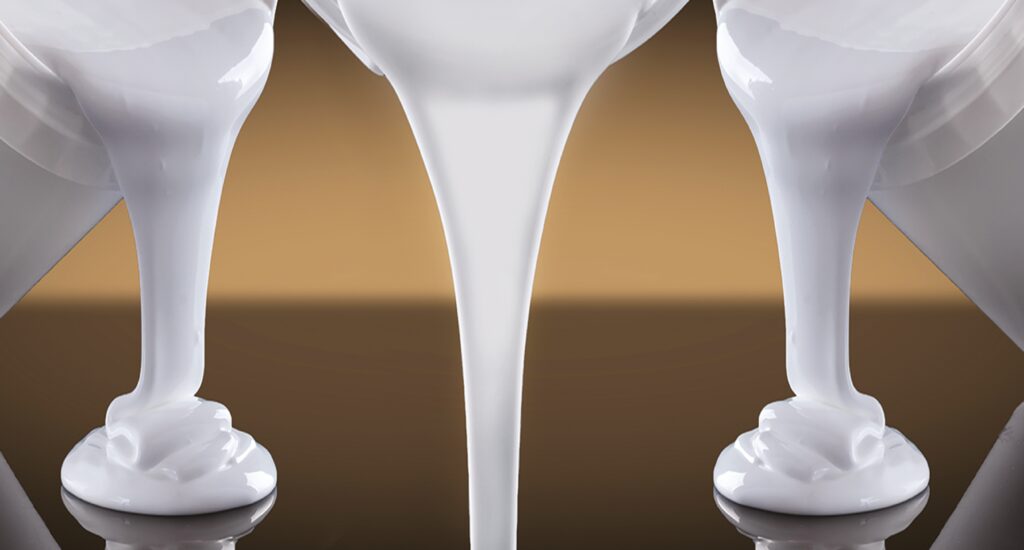
PVAc is a polyvinyl acetate glue, viscous innocuous white substance with good performance qualities. This adhesive is produced in industrial environments at chemical plants. The PVAC letters speak for its main component – vinyl acetate polymer, which is obtained by polymerization of vinyl acetate monomer. As a rule, the glue formulation mostly contains polyvinyl acetate, with the rest of the formula hinging on its purpose, as it may be altered by manufacturers when developing a particular glue brand.

PVAc was invented in the early 20th century in Germany, but became widely used only in the middle of the last century, when this adhesive had rapidly become in demand due to the possibility of its application in various fields of production and at home. The secret of the glue’s success lies in its safety for human health and the environment. Besides, the glue’s composition is constantly being upgraded to render it improved qualities.

Given a large number of manufacturers producing PVAc, several different modifications of glue with distinctive physical and chemical properties and different stability have been developed. One may often hear expressions “PVAc dispersion”, “PVAc glue” or simply ” PVAc”. Let’s try to figure out how they differ.

PVAc dispersion

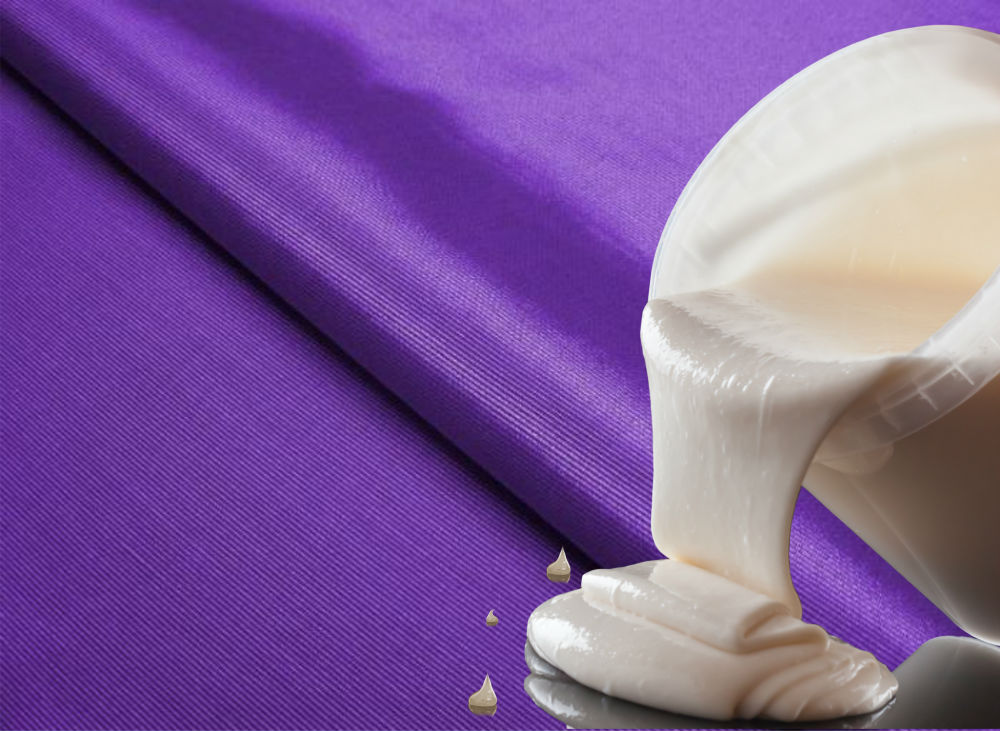
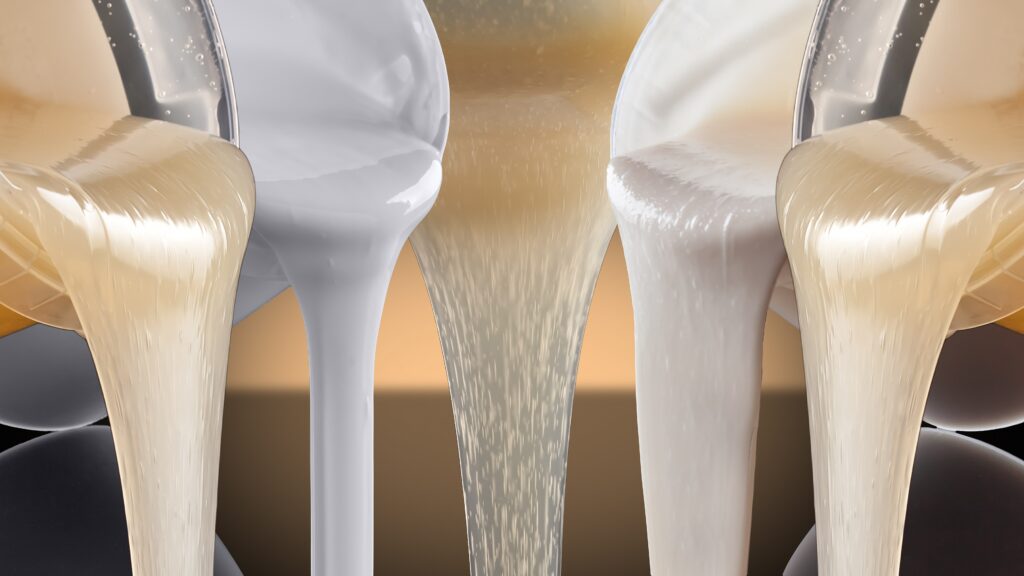
Polyvinyl acetate dispersion has the form of a polymer dissolved in water, stabilized with a protective colloid and, as a rule, polyvinyl alcohol. The substance boasts excellent adhesive ability – high adhesion. The product looks like a viscous homogeneous mass without visible impurities. Being dried up, it forms a transparent film. The dispersion is fireproof and non-toxic.

The PVAc dispersion has a complex formula that includes all kinds of components determining its performance properties. Polymer, various additives and their quantity affect the properties of dispersions and adhesive films.

What is PVAc made of?

  • Internal or external plasticizers.
  • Surfactants.
  • Thickening agents and humidifiers.
  • Solvents.
  • Freezing and defrosting stabilizers.
  • Biocides and fungicides.
  • Water.

The dispersion’s colour varies from white to yellowish. It hinges on the plasticizer used in its manufacture. During the storage of the dispersion, a surface film and delamination may develop. Therefore, it is advisable to mix it well before use. After thorough mixing, the PVAc emulsion should be uniform and comply with the norms and requirements of common standards.

PVAc dispersion may be plasticized and non-plasticized. A plasticizer, dibutyl phthalate or polyvinyl chloride, is added to the glue formula to render it elasticity during processing or operation.

The non-plasticized dispersion is able to endure four stages of freezing and defrosting, which makes it possible to store it in cold conditions and transport it in winter in unheated environment.

The percentage of dry residue in the polyvinyl acetate dispersion is usually indicated in the product name. The dry residue is the content of some organic compounds and inorganic ions dissolved in water, that is, the main components.The higher the percentage figure, the higher the dry residue and, accordingly, the dispersion will contain less water. For example, the PVAc dispersion may have 30%, 40% or 51% of dry residue. In addition, the viscosity of the dispersion may be indicated in the brand name: high, low or medium.

PVAc dispersion is the basis for the manufacture of PVAc glue.

Besides, the PVAc dispersion is used:

  1. as an additive in mortars and formulations used in construction;
  2. for cardboard and paper gluing in the printing industry;
  3. in the production of glass, textiles, shoes and leather products;
  4. in woodworking when gluing parts and for the furniture production;
  5. as one of the components that is included in the composition of water-based paints;
  6. for gluing the rim and filter in cigarettes;
  7. for side gluing of packaging and gluing labels;
  8. when finishing technical textile and fur, etc.

What does PVAc glue stand for and what is PVAc glue made of?

Taking into account the intended purpose, various components may be added to the polyvinyl acetate adhesive, allowing to alter the product’s quality. So, plasticizers and thickening agents such as chalk, kaolin or talc are added to PVAc adhesives that are used in construction. Various modifiers provide the glue with water-resistant properties, with oils added to render it elasticity. In addition, depending on the brands and their application, PVAc glue may contain:

  • anti-foaming agents;
  • fiber;
  • iron shavings;
  • glass dust;
  • trinitrophenol;
  • hydrocarbon;
  • bicarbonate, etc.

Under the common standards, polyvinyl acetate adhesive is to possess the properties as follows:

  1. The glue should smell polyvinyl acetate only. If there is a pungent bad smell, it speaks for the poor quality of the glue or its expiration.
  2. The glue should look like a light thick homogeneous mixture.
  3. After polymerization, the adhesive compound forms a viscous transparent film;
  4. It provides strong and elastic adhesive bonding line.

PVAc glue’s properties

The glue is completely polymerized within a day. One may speed up this process by using extra air-flow and increasing the temperature in the room. To achieve the best adhesion results, it is advisable to clamp the glued parts together. 

After drying up, the PVAc provides a flexible adhesive bonding line. The adhesive dissolves well in water and has neutral pH environment. Due to this, one may dilute it with water if it has thickened or if it is needed to obtain a less sticky adhesive forming a thinner adhesive layer. To dilute the glue, it is advisable to gradually add water to the adhesive composition, stirring it well. Excessive amount of water will negatively affect the PVAc adhesive properties.

What is PVAc glue used for? 

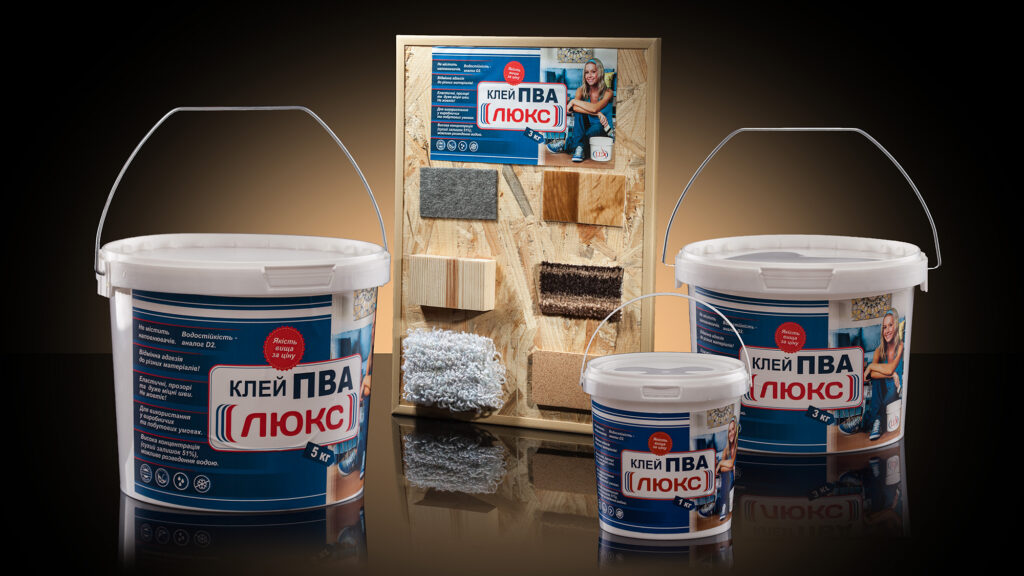
PVAc glue is perfect for gluing materials that absorb moisture well, such as wood, cardboard, paper or textiles. PVAc glue is able to create a moisture-proof bonding for porous materials that are used in construction, such as sandstone or concrete. After being crystallized, the adhesive bonding line of polyvinyl acetate glue will be durable and elastic.

In woodworking, PVAc glue is used when connecting wooden parts, chipboard, plywood and wood fiber boards. 

When carrying out construction work, polyvinyl acetate glue is used for priming surfaces, as a binding component or an anti-dust agent. PVAc is diluted in half with water. The resulting composition may be used as a sealant for plastering, for preparing walls before painting or hanging wallpaper. Its composition is perfect to make papier-mâché.

Besides, PVAc glue is used in printing and packaging industries, for gluing mosaics, when making envelopes, and as a filler, when mixed with wood chips.

PVAc glue’s disadvantages

  1. Polyvinyl acetate glue may be affected by microorganisms if it contains an insufficient amount of additives.
  2. It is not appropriate to freeze plasticized PVAc. Exposure to low temperatures results in the polymer’s destruction, and makes the glue unusable.
  3. One cannot use paint coatings on the surface with the PVAc applied.
  4. It takes a day for the adhesive bonding line to fully polymerize.
  5. Polyvinyl acetate is water resistant, but not waterproof.

If you need any help with your project, want to consult on how to use PVAcin your production facilities, or need some further information about adhesives or PVAc dispersion and their application, please contact the expert team of Lux-X by calling +38 (050) 324 06 36; +38 (097) 044 43 61. We are always ready to help with advice on your project and give recommendations on any adhesive product. Besides, our website lux-x.com provides many answers to frequently asked questions about adhesives.

Olena Skotarenko

Author of the article:

Olena Skotarenko

<p>Marketing Director of the <span class="text-no-wrap">SPE «LUX-X» (LLC)</span></p>

Number of articles: 44

Articles you might like

Vinyl and non-woven wallpaper: application rules of glue

Vinyl and non-woven wallpaper: application rules of glue

A big number of diverse materials for interior and exterior decoration of premises appear on the shelves of building centers every year, meanwhile, an assortment of construction materials for repair work has been rapidly increasing.

Read article
How to use a hot glue gun

How to use a hot glue gun

The hot glue gun is a tool used for gluing parts with the help of hot melt glue sticks. The hand-held hot glue gun softens the glue, doses it and applies onto a surface. Such a tool is simple and convenient to use.

Read article
Storing «Lux» adhesives in winter time

Storing «Lux» adhesives in winter time

Dear customers, Scientific and production enterprise “Lux-X” LLC, the largest producer and supplier of industrial adhesives in Ukraine, would like you to pay attention to storage, transportation, handling, application conditions in cold weather. In winter time dispersion adhesives can be delivered only by specially equipped transport, that's why we are asking you to place the orders for shipment of adhesives in advance.

Read article
Types of wood glue. Principles of the right choice

Types of wood glue. Principles of the right choice

Not only ordinary people but professionals often arise a question: which wood glue is best suited for efficient bonding of substrates? To find out what types of glue with their basic characteristics and properties exist, we have prepared this article.

Read article
Glue Sticks: Types, Applications, and Selection Tips

Glue Sticks: Types, Applications, and Selection Tips

Adhesive rods are used in many industries as part of the process of manufacturing and assembling products. In addition, rods are used in everyday life. In decorative arts there is nothing more universal than gluing with a hot glue gun.

Read article
Polyvinyl acetate emulsion: application areas

Polyvinyl acetate emulsion: application areas

PVAc dispersion is polymerized vinyl acetate in water. The widely used PVAc adhesive is produced based on polyvinyl acetate dispersion, plasticizers and other additives. Often PVAc dispersion is called a polyvinyl acetate emulsion.

Read article
Packaging Trends in the Brewery Industry

Packaging Trends in the Brewery Industry

The latest packaging trends for breweries filling glass bottles emphasize sustainability, innovation, and efficiency while maintaining product freshness and enhancing visual appeal.

Read article
How to properly store, apply and dispose of industrial adhesives?

How to properly store, apply and dispose of industrial adhesives?

We are frequently asked about the shelf life of our adhesives, since any raw material has its own use and storage warranty period. Today we will tell you about the recommended storage duration, rules of transportation and disposal of our products: synthetic, semi-synthetic, natural dispersion adhesives, PVAc and hot-melt adhesives. 

Read article
Adhesion and possible problems

Adhesion and possible problems

When bonding any material, regardless of the type of adhesive, the result is important, i.e. the strength of the adhesive line, its resistance to various external influences and its durability. This is due to the adhesive property.

Read article
Concrete impregnation agents: their definition, types and purpose

Concrete impregnation agents: their definition, types and purpose

Concrete is one of the most durable construction materials, which is why it is used to construct military and civilian structures, including shelters, industrial, commercial, administrative buildings, infrastructure, warehouses and residential buildings.

Read article
How to dilute PVAc adhesives: tips to restore their consistency

How to dilute PVAc adhesives: tips to restore their consistency

PVAс glue is considered to be the most famous adhesive for use in everyday life. Schoolchildren and their parents are familiar with PVAс glue mixtures as the best assistant for crafts made of paper, wood and cardboard.

Read article
PVAC adhesive: an all-purpose glue and why is it still popular?

PVAC adhesive: an all-purpose glue and why is it still popular?

PVAC adhesive is one of the best-known and widely used adhesives in the world. Two chemists invented PVAC at the same time: a German and a Korean scientist who worked on the future product separately and in different laboratories.
Read article
What kind of adhesive to use for gluing fabrics?

What kind of adhesive to use for gluing fabrics?

The demand for textile industry products is increasing from year to year. In this skilled trade, it is essential that the products be neat, have an aesthetic appearance, and hold their shape and color after each washing. Hence, it is difficult to do without an adhesive in textile production because not all materials can be joined using a thread and needle.

Read article
Concrete Impregnating Agent: A Guarantee of Reliability and Resistance to Moisture of Civil and Military Structures

Concrete Impregnating Agent: A Guarantee of Reliability and Resistance to Moisture of Civil and Military Structures

Nowadays, civil and military construction cannot do without the building of various defensive structures and fortifications. Their main purpose is to ensure the safety of people and objects, to guarantee the functioning of infrastructure even in extreme conditions, while maintaining its comfortable conditions. That is why concrete is the most important material in civil and military construction.
Read article
PVAcglue’s drying rate for various surfaces

PVAcglue’s drying rate for various surfaces

One may wonder, what is the drying time of PVAc glue? The drying time hinges on the quality of glue and the materials the product is made of. This article will be helpful in finding out the drying time of PVAc glue on various surfaces.

Read article
What is used to glue paper and cardboard?

What is used to glue paper and cardboard?

Paper and cardboard are the most popular materials used in making cartons, packets, bags and other containers. An advantage of a paper package is its neat appearance and ecological safety.

Read article
Adhesives used in the production of paper towels and toilet paper

Adhesives used in the production of paper towels and toilet paper

When you think of products that are manufactured with the help of adhesives, the last thing that will come to your mind will be their use in the production of toilet paper, paper napkins or towels. However, adhesives are very important for hygiene products.

Read article
“Lux” brand water-repellent coating for corrugated board manufacturers

“Lux” brand water-repellent coating for corrugated board manufacturers

Scientific and Production Enterprise “Lux-X” (LLC) has presented a new product developed in its own scientific laboratory: The water-repellent coating used in the pulp and paper industry when corrugated board is produced.

Read article
Industrial glue: types, features, composition, application

Industrial glue: types, features, composition, application

In industry, glue began to be massively used with the advent of the first factories. Then adhesives of natural origin were in demand. In the war years, to meet the needs of the army, synthetic adhesives appeared, with which metal, leather, wood, rubber and other materials were bonded.

Read article
Merry Christmas and Happy New Year 2025 !

Merry Christmas and Happy New Year 2025 !

Dear partners and friends! Please accept our sincere congratulations Merry Christmas and Happy New Year 2025!

Read article

Please wait...

We are preparing a reliable adhesive joint.